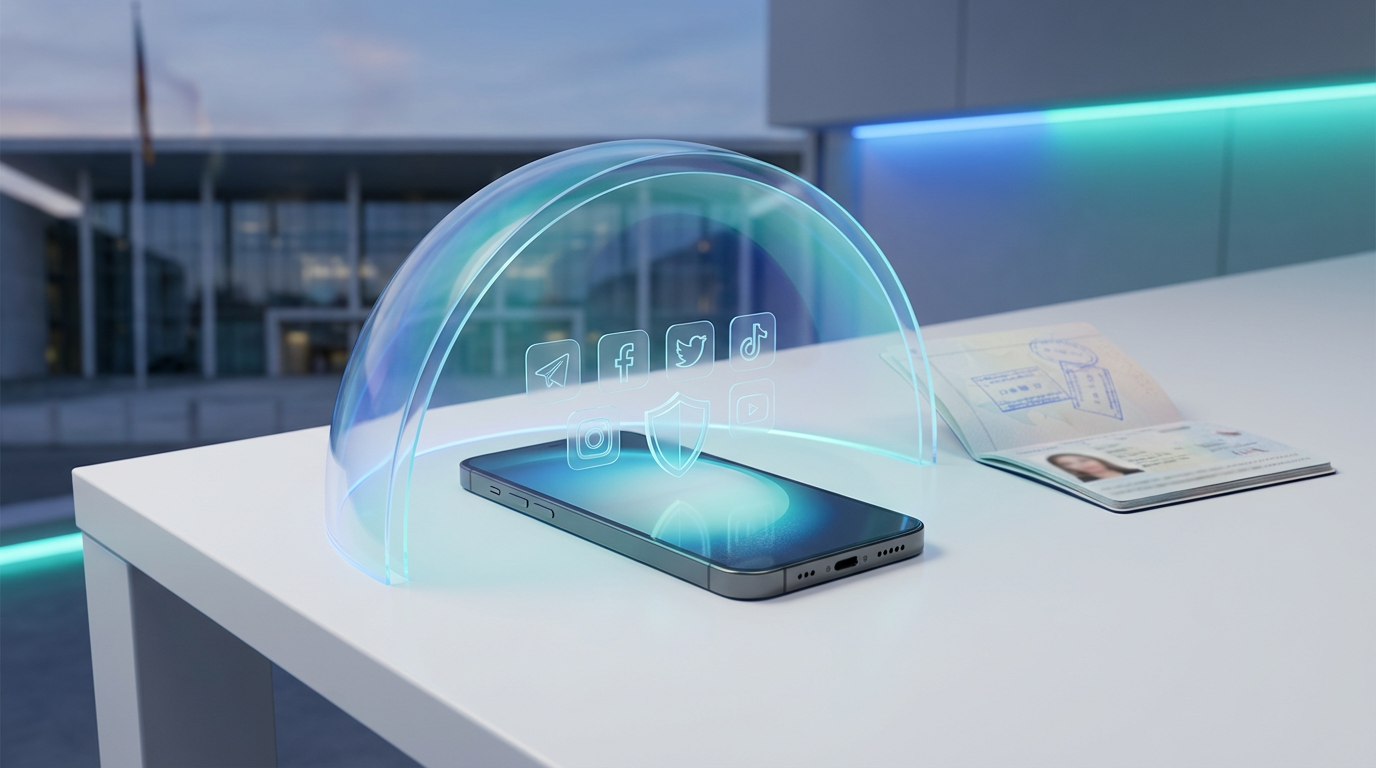
Learn how social media screening affects B-2 visa extensions and stay compliant.
Understanding USCIS Social Media Screening: What Every Visa Applicant Must Know
In today's digital age, your social media presence has become a critical factor in visa adjudication. The Department of Homeland Security has significantly expanded its social media screening programs since 2024, implementing more sophisticated algorithms and broader review protocols that affect millions of visa applicants annually. Understanding how this screening works—and what content triggers red flags—can mean the difference between approval and denial.
The USCIS Social Media Screening Enhancement Program now reviews publicly available social media content for all visa categories, not just those previously subject to enhanced vetting. This represents a fundamental shift in how immigration officers evaluate applications, with social media serving as both a verification tool and a security screening mechanism. Consular officers and USCIS adjudicators are trained to identify specific categories of concerning content that align with DHS keyword lists and behavioral indicators.
The DHS Screening Framework: Categories and Keywords
The Department of Homeland Security maintains a comprehensive framework for social media screening that includes multiple categories of concerning content. These categories range from obvious security threats to more nuanced indicators of potential immigration fraud or visa violations. Understanding these categories allows applicants to audit their own profiles before government screening occurs.
The primary DHS screening categories include violence and threats, terrorism-related content, fraud indicators, immigration intent violations, and public safety concerns. Each category contains specific keywords and contextual patterns that trigger either automated flags or manual review. While the complete keyword list is not publicly available, immigration compliance experts have identified common patterns through case analysis and FOIA requests.
Platform-Specific Screening Considerations
Different social media platforms present unique screening challenges and opportunities. Instagram and Facebook posts with geotags can verify or contradict claimed travel history, while LinkedIn profiles are scrutinized for employment history accuracy. Understanding how each platform's content appears to screeners helps applicants prioritize their cleanup efforts effectively.
How Social Media Screening Works for B-2 Visa Applicants
The process of social media screening for B-2 visa applicants involves multiple layers of analysis and review by both automated systems and human adjudicators. Initially, automated tools scan social media profiles for specific DHS keywords and patterns of behavior that may indicate visa violations or security risks. These tools are designed to identify potential red flags that warrant further investigation by USCIS officers.
After the initial automated review, flagged profiles are subjected to a more detailed manual analysis by trained officers. This manual review focuses on context and intent behind posts, ensuring that benign content is not misinterpreted as suspicious. Officers are particularly attentive to posts that suggest immigration intent violations, such as plans for extended stays or unauthorized work, which are common concerns for B-2 applicants.
Key Red Flags for B-2 Visa Holders
B-2 visa holders must be especially cautious about content that might imply an intent to remain in the United States beyond their authorized stay or engage in prohibited activities. Posts about seeking employment or participating in business activities that do not align with the B-1/B-2 visa limitations can raise significant red flags. Additionally, content that suggests strong ties to the U.S., such as relationships or property ownership, might lead to questions about the applicant's intent to return home.
Posts that detail frequent or prolonged visits to the U.S. without clear reasons may also trigger concerns. USCIS officers look for patterns that suggest the applicant is using the B-2 visa as a means to reside in the U.S. rather than for temporary tourism or business purposes. In such cases, applicants should be prepared to provide clear documentation of their ties to their home country.
Monitoring and Managing Your Social Media Presence
For B-2 visa holders, effectively managing your social media presence is crucial to avoiding potential issues during the visa extension process. Regularly auditing your profiles for content that might be misinterpreted is an essential step. This includes reviewing old posts, updating privacy settings, and being mindful of new content you share.
Consider using tools like VisaClear to automate the process of identifying potential red flags before they become an issue. These AI-powered tools can help you pinpoint problematic content on platforms like Facebook and suggest changes to mitigate risks. By taking proactive steps, you can ensure that your social media profiles align with your stated intentions as a temporary visitor.
Step-by-Step Checklist for B-2 Visa Social Media Compliance
To help B-2 visa applicants navigate the complexities of social media screening, we've compiled a step-by-step checklist that outlines best practices and proactive measures.
Audit Your Social Media Profiles
Enhance Privacy Settings
Document Supporting Evidence
Common Social Media Mistakes to Avoid for B-2 Visa Holders
Even well-intentioned social media users can make mistakes that lead to complications during the visa extension process. Understanding these common pitfalls and how to avoid them is key to maintaining compliance with USCIS guidelines.
Over-Sharing Personal Information
Sharing too much personal information on platforms like Facebook can inadvertently raise concerns about your intentions. Posts about extended plans in the U.S. or close ties to American residents might suggest an intent to overstay your welcome. Always consider how your posts might be interpreted by immigration officers.
Engaging in Public Debates or Controversial Topics
Participating in public discussions on controversial topics, especially those related to U.S. policies or political matters, can be misinterpreted as indicating an intent to integrate into U.S. society. While freedom of speech is a valued right, visa applicants must be mindful of the implications of their online activity.
Conclusion: Staying Compliant and Proactive
Navigating the complexities of social media screening requires vigilance and proactive management of your online presence. By understanding the DHS screening framework and implementing best practices, B-2 visa applicants can significantly reduce the risk of adverse outcomes. However, it's important to remember that while these guidelines provide a foundation, they should not replace personalized legal advice. Always consider consulting with an immigration attorney to address specific concerns.
For those seeking additional support, VisaClear offers advanced technology solutions to help identify and address potential red flags before they become issues. By leveraging AI-powered tools, you can ensure that your social media profiles accurately reflect your intentions and comply with U.S. immigration policies.