How to clean up social media for F-1 to H-1B visa status change
Understanding USCIS Social Media Screening: What Every Visa Applicant Must Know
In today's digital age, your social media presence has become a critical factor in visa adjudication. The Department of Homeland Security has significantly expanded its social media screening programs since 2024, implementing more sophisticated algorithms and broader review protocols that affect millions of visa applicants annually. Understanding how this screening works—and what content triggers red flags—can mean the difference between approval and denial.
The USCIS Social Media Screening Enhancement Program now reviews publicly available social media content for all visa categories, not just those previously subject to enhanced vetting. This represents a fundamental shift in how immigration officers evaluate applications, with social media serving as both a verification tool and a security screening mechanism. Consular officers and USCIS adjudicators are trained to identify specific categories of concerning content that align with DHS keyword lists and behavioral indicators.
The DHS Screening Framework: Categories and Keywords
The Department of Homeland Security maintains a comprehensive framework for social media screening that includes multiple categories of concerning content. These categories range from obvious security threats to more nuanced indicators of potential immigration fraud or visa violations. Understanding these categories allows applicants to audit their own profiles before government screening occurs.
The primary DHS screening categories include violence and threats, terrorism-related content, fraud indicators, immigration intent violations, and public safety concerns. Each category contains specific keywords and contextual patterns that trigger either automated flags or manual review. While the complete keyword list is not publicly available, immigration compliance experts have identified common patterns through case analysis and FOIA requests.
Platform-Specific Screening Considerations
Different social media platforms present unique screening challenges and opportunities. Instagram and Facebook posts with geotags can verify or contradict claimed travel history, while LinkedIn profiles are scrutinized for employment history accuracy. Understanding how each platform's content appears to screeners helps applicants prioritize their cleanup efforts effectively.
The Urgency of Social Media Screening for F-1 to H-1B Status Change
For international students on an F-1 visa considering a transition to H-1B status, cleaning up social media profiles is more urgent than ever. Recent updates to the USCIS Policy Manual highlight the importance of social media transparency in visa applications, especially for those seeking extensions or changes in status. The December 15 public profile requirement for H-1B applicants underscores this urgency, as any discrepancies between online activities and visa application details can significantly impact outcomes.
Students on OPT or STEM OPT must be particularly vigilant. Social media content that implies unauthorized work or intent to remain in the U.S. permanently can be flagged as immigration intent violations, jeopardizing future visa prospects. Given that consular officers are increasingly using social media as a tool to verify the consistency of applicants' claims, maintaining a clean and consistent online presence is essential.
How DHS and USCIS Conduct Social Media Screening
The process of social media screening involves multiple stages, from initial data collection to in-depth analysis. DHS employs a combination of automated tools and manual reviews to scrutinize applicants' online activities. The DS-160 form, now requiring disclosure of social media handles, serves as the starting point for this examination. Once these handles are provided, USCIS and consular officers have the authority to review all publicly available content.
Advanced algorithms utilized by DHS can detect patterns and keywords that align with security risks or immigration violations. These algorithms are continually updated to reflect new trends and threats, ensuring that the screening process remains robust. In addition to automated tools, human analysts review flagged content to assess its relevance and potential impact on the visa application process. This dual approach ensures that both broad patterns and individual nuances are considered in the screening process.
Red Flags: Content to Avoid on Social Media
Understanding what constitutes a red flag in social media screening is crucial for F-1 visa holders planning to transition to an H-1B. Content that suggests unauthorized work or violations of visa conditions is particularly problematic. Posts that imply engagement in activities inconsistent with student status or indicate a desire to remain in the U.S. beyond authorized limits can trigger further scrutiny.
Other red flags include associations with terrorism-related content, public discussions of fraudulent activities, and indications of violence or threats. While most international students do not deliberately post such content, inadvertent shares or likes of controversial material can still raise concerns. It's important for students to regularly audit their profiles for any content that might be misinterpreted during a visa review.
Platform-Specific Guidance for Cleaning Up Social Media
Each social media platform has unique features and privacy settings that can impact how content is perceived by screeners. For F-1 to H-1B applicants, understanding these nuances is vital for effective profile clean-up.
TikTok: Navigating Video Content
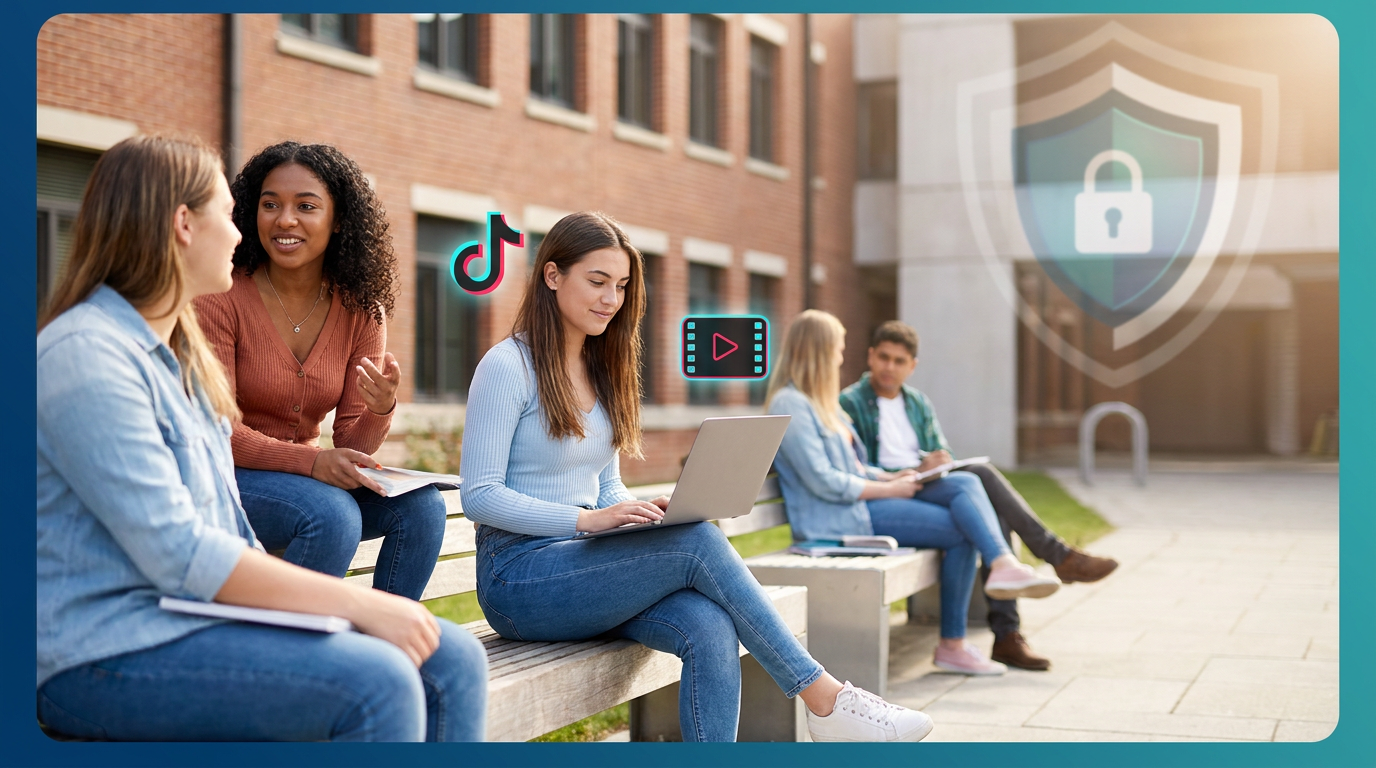
As a platform focused on short video content, TikTok requires careful attention from visa applicants. Videos that include statements about working off-campus without authorization or intentions to stay in the U.S. permanently can be particularly damaging. It’s crucial to set profiles to private mode and review past videos for any content that might be flagged during a social media screening.
Applicants should also be mindful of the music and hashtags associated with their videos, as these can convey unintended messages. Regularly updating privacy settings and conducting thorough checks of video content can help mitigate potential issues before they arise in the visa application process.
Facebook and Instagram: Managing Visual Content and Interactions
On Facebook and Instagram, photos and interactions can reveal more than intended. Geotagged images that contradict claimed travel history or suggest unauthorized employment locations can raise red flags. It’s advisable to audit past posts and remove tags or images that might be problematic.
Both platforms offer privacy settings that allow users to limit who can view past content. Utilizing these settings to restrict access to older posts is a key strategy in minimizing potential screening issues. Monitoring friend lists and ensuring that tagged images do not include questionable content are also effective practices.
LinkedIn: Ensuring Professional Consistency
For those transitioning from F-1 to H-1B, LinkedIn profiles must accurately reflect professional history and intentions. Discrepancies between what is listed on LinkedIn and what is claimed in visa documents can lead to doubts about the applicant's credibility. Regularly updating LinkedIn profiles to ensure alignment with academic and professional records is essential.
Additionally, endorsements and recommendations should be reviewed to ensure they do not inadvertently suggest unauthorized work or other visa violations. Maintaining a professional and consistent LinkedIn presence helps reinforce the applicant's integrity and compliance with visa requirements.
Step-by-Step Actionable Checklist for Social Media Audit
Conducting a thorough social media audit is essential for F-1 visa holders transitioning to H-1B status. The following checklist provides a comprehensive guide to cleaning up profiles and ensuring alignment with visa requirements.
Common Mistakes and How to Avoid Them
Even well-intentioned applicants can make mistakes in managing their social media presence. Common errors include failing to update privacy settings, overlooking old posts that might be problematic, and inconsistencies between social media content and official documents. Each of these can have serious consequences during the visa application process.
Another frequent mistake is assuming that content shared or liked in the past is no longer relevant. DHS screening tools can access historical data, meaning that even old interactions can surface during a review. To avoid these pitfalls, applicants should conduct regular audits and remain aware of how their online activities might be perceived by immigration officials.
Conclusion: Navigating Social Media Screening in Visa Applications
The process of transitioning from an F-1 visa to an H-1B status is complex, with social media playing an increasingly important role. By understanding the nuances of social media screening and taking proactive steps to manage their online presence, applicants can significantly improve their chances of a successful visa outcome. However, it is crucial to remember that this information should not be taken as legal advice. For personalized guidance, consulting with an immigration attorney is always recommended.
For those seeking additional resources, VisaClear offers AI-powered screening tools designed to identify potential red flags before the USCIS does, providing peace of mind and helping applicants prepare effectively for the visa application process. Learn more about how VisaClear can assist you in navigating this critical aspect of your immigration journey.