Optimize Facebook privacy settings for B-1/B-2 visa applications with our expert guide.
The Importance of Social Media Screening for B-1/B-2 Visa Applicants
For tourist visa applicants, social media presence is increasingly scrutinized during visa processing. The Department of Homeland Security (DHS) has been enhancing its social media screening processes to ensure that applicants meet the requirements of non-immigrant visa categories such as the B-1/B-2. With platforms like Facebook being a focal point, understanding how your online presence can impact your application is crucial. This urgency is underscored by the integration of sophisticated algorithms that analyze public social media content for potential red flags.
The enhanced screening measures affect applicants under the visa waiver program and traditional visa processes alike. Consular officers are trained to examine social media for indicators of immigration intent violations or activities that could contradict the stated purpose of the visit. This means that a careless post could inadvertently suggest an intent to overstay or work unauthorized, leading to a denial of your visitor visa.
How Social Media Screening Works: Insights into DHS and USCIS Processes
The DHS and USCIS employ a multifaceted approach to social media screening, utilizing both automated systems and manual reviews. This dual method ensures a comprehensive evaluation of applicants' digital footprints. Automated systems are designed to flag content based on predefined keyword categories, while manual reviews by officers provide contextual analysis.
The USCIS Policy Manual outlines that consular officers may use social media as one of several tools to verify information provided in visa applications. The process includes cross-referencing social media content with application data to identify inconsistencies or potential indicators of fraud. Applicants should be aware that their online interactions, posts, and even shared content can be subject to scrutiny.
Consular Officer Interview Practices
During the visa interview, consular officers might ask about your social media activity to verify the purpose of your visit. They may inquire about your connections or activities in the U.S. as portrayed on platforms like Facebook. Being prepared to discuss your online presence candidly and accurately can help mitigate any concerns they may have.
Identifying Red Flags: Categories and Examples
Understanding what constitutes a red flag in the context of social media screening is essential for B-1/B-2 applicants. DHS has defined several categories of concerning content that could impact visa decisions. These include violence and threats, terrorism-related content, and fraud indicators. Identifying and addressing such content proactively can safeguard against potential denials.
Examples of red flags include posts suggesting an intent to engage in unauthorized work, statements implying an intention to immigrate permanently, or content that could be perceived as a security threat. It's crucial to audit your profiles for any such content and either remove it or adjust privacy settings to limit visibility.
Platform-Specific Guidance: Facebook Privacy Settings
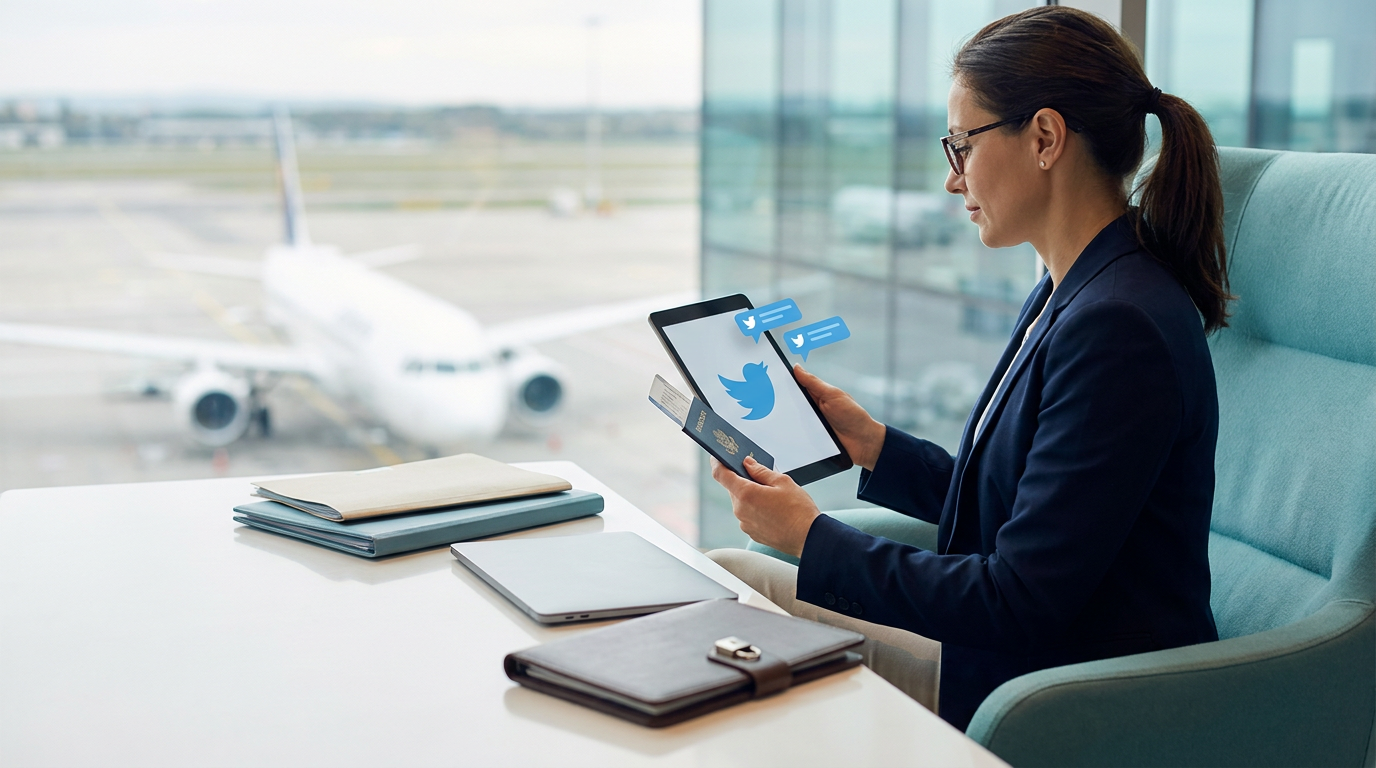
Facebook remains one of the most scrutinized platforms due to its wide usage and detailed personal information. Applicants should be meticulous about their privacy settings to control who can see their posts, photos, and tagged content. Here are some strategies to optimize your Facebook profile for visa application:
Optimizing Privacy Settings
Start by reviewing your privacy settings through Facebook's 'Settings & Privacy' menu. Ensure that your posts are set to 'Friends' rather than 'Public'. Regularly audit your timeline to remove or hide any posts or photos that could raise questions about your intentions.
These steps can help mitigate the risk of your Facebook activity negatively impacting your visitor visa application. Keep in mind that even private content can sometimes be accessed through mutual connections, so a comprehensive review is essential.
Step-by-Step Checklist: Preparing for the Visa Process
Preparation is key to ensuring that your social media presence supports your visa application. Follow this checklist to align your online activity with the expectations of the DHS and USCIS:
Start this process at least 4-6 weeks before your visa interview to allow ample time for modifications and adjustments. A proactive approach can significantly reduce the chances of encountering issues during the visa application process.
Common Mistakes and How to Avoid Them
Many applicants inadvertently make mistakes on social media that can jeopardize their B-1/B-2 visa application. Common errors include posting about plans to engage in activities not permitted under the visa category, or publicly sharing travel plans that contradict application details. Such posts can raise suspicions of immigration intent violations or fraud indicators.
To avoid these pitfalls, maintain consistency between your application and social media. Avoid discussing long-term plans or employment opportunities in the U.S. on public forums. Always be mindful of the potential for misinterpretation by officers reviewing your profile.
Conclusion: Final Thoughts and Next Steps
While social media can be a beneficial tool for staying connected, it also presents challenges during the visa application process. By understanding the intricacies of social media screening and taking proactive measures to manage your online presence, you can improve your chances of securing a tourist visa. Remember, this guide is informational and not a substitute for professional legal advice. For personalized guidance, consider consulting an immigration attorney.
For additional support, VisaClear offers AI-powered tools to help identify potential red flags before your application is reviewed by USCIS. These tools can provide peace of mind by preemptively addressing concerns that may arise during the social media screening process.