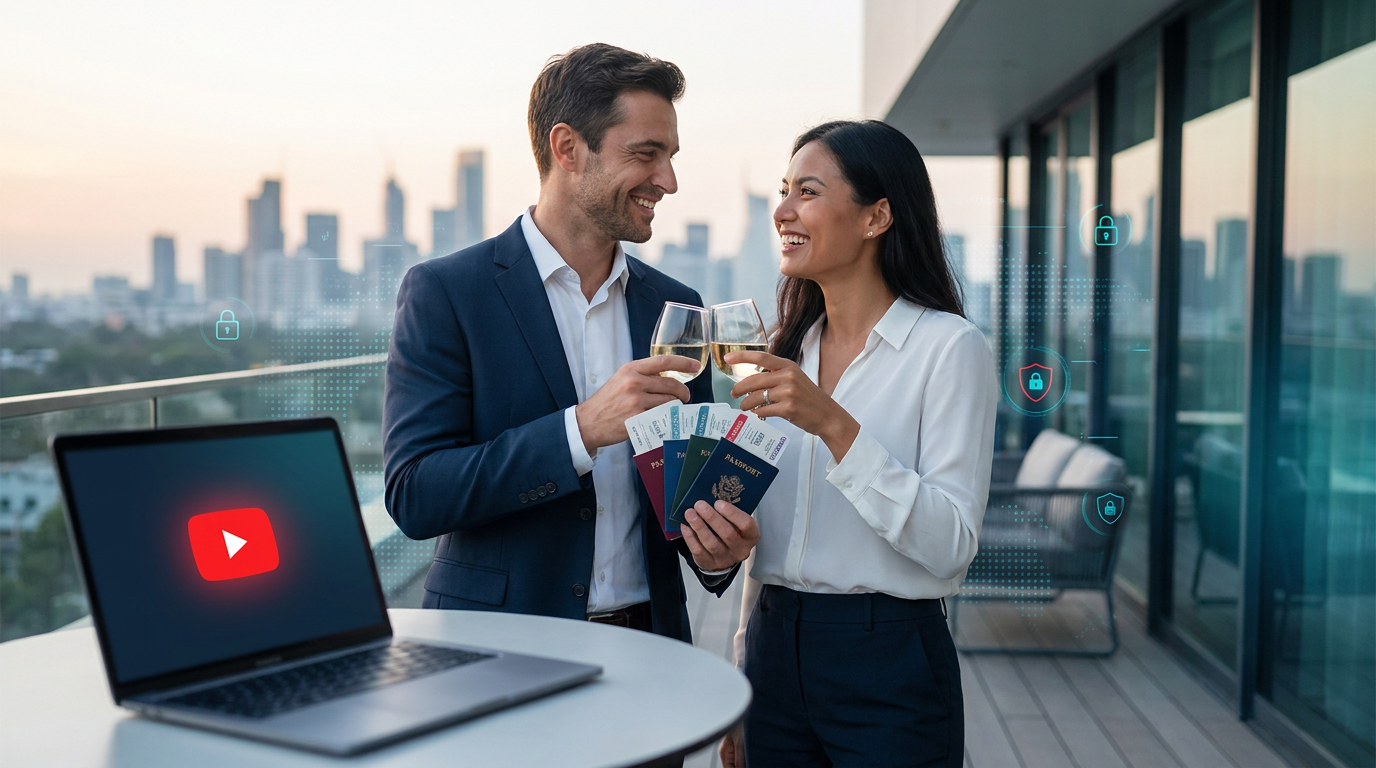
Expert guidance on K-1 fiancé visa social media evidence for USCIS review.
Understanding USCIS Social Media Screening: What Every Visa Applicant Must Know
In today's digital age, your social media presence has become a critical factor in visa adjudication. The Department of Homeland Security has significantly expanded its social media screening programs since 2024, implementing more sophisticated algorithms and broader review protocols that affect millions of visa applicants annually. Understanding how this screening works—and what content triggers red flags—can mean the difference between approval and denial.
The USCIS Social Media Screening Enhancement Program now reviews publicly available social media content for all visa categories, not just those previously subject to enhanced vetting. This represents a fundamental shift in how immigration officers evaluate applications, with social media serving as both a verification tool and a security screening mechanism. Consular officers and USCIS adjudicators are trained to identify specific categories of concerning content that align with DHS keyword lists and behavioral indicators.
The DHS Screening Framework: Categories and Keywords
The Department of Homeland Security maintains a comprehensive framework for social media screening that includes multiple categories of concerning content. These categories range from obvious security threats to more nuanced indicators of potential immigration fraud or visa violations. Understanding these categories allows applicants to audit their own profiles before government screening occurs.
The primary DHS screening categories include violence and threats, terrorism-related content, fraud indicators, immigration intent violations, and public safety concerns. Each category contains specific keywords and contextual patterns that trigger either automated flags or manual review. While the complete keyword list is not publicly available, immigration compliance experts have identified common patterns through case analysis and FOIA requests.
Platform-Specific Screening Considerations
Different social media platforms present unique screening challenges and opportunities. Instagram and Facebook posts with geotags can verify or contradict claimed travel history, while LinkedIn profiles are scrutinized for employment history accuracy. Understanding how each platform's content appears to screeners helps applicants prioritize their cleanup efforts effectively.
K-1 Fiancé Visa: The Role of Social Media Evidence
The K-1 fiancé visa is designed to allow foreign partners of U.S. citizens to enter the country for the purpose of marriage. With the advent of digital communication, social media has become an essential part of proving the authenticity of relationships. The USCIS looks at USCIS relationship evidence on platforms like YouTube visa to confirm the legitimacy and depth of the partnership.
Applicants for the K-1 visa should be aware that their online interactions, including video content, are scrutinized to verify their relationship history. This means that both the petitioner and the beneficiary need to ensure their social media profiles reflect a consistent and truthful narrative about their relationship. Discrepancies between online content and the information provided in the visa application can raise concerns about the bona fides of the relationship.
How Social Media Screening Works for K-1 Applicants
Upon submission of a K-1 visa application, USCIS officers may conduct a comprehensive review of both the petitioner’s and beneficiary’s social media accounts. This includes analyzing content that demonstrates the couple’s relationship timeline, such as shared photos, mutual check-ins, and tagged events. The video content screening on platforms like YouTube can also serve as valuable evidence of the relationship.
USCIS officers are trained to identify inconsistencies between social media evidence and the submitted visa application. For instance, if a couple claims to have met frequently in a specific location but lacks corresponding social media check-ins or tagged posts, this could be flagged as a potential fraud indicator. Therefore, ensuring that social media content aligns with the couple's narrative is crucial.
Red Flags in Social Media Screening
Several red flags can emerge during the social media screening process. These include discrepancies in relationship timelines, lack of interaction between partners on social media, and any content that could suggest immigration intent violations. Consistency across all social media platforms is key to avoiding misunderstandings or suspicions of fraud.
USCIS may also be concerned with any content that falls under the DHS screening categories, such as fraud indicators or public safety concerns. Applicants should audit their profiles for any posts or interactions that could be misinterpreted or taken out of context, particularly those related to sensitive topics.
Best Practices for K-1 Visa Applicants: Social Media Management
Managing your social media profiles effectively can significantly impact the outcome of your visa application. Here are some best practices for K-1 visa applicants:
Privacy Settings and Profile Cleanup
Before submitting your visa application, review and update your privacy settings on all social media platforms. Ensure that only relevant and appropriate content is publicly visible. For example, setting your profile to private can help control who can view your personal information and posts.
Additionally, conduct a thorough cleanup of your profiles. Remove any posts, photos, or comments that could be misinterpreted by USCIS officers. This includes content that might be seen as controversial or that does not align with the information provided in your visa application. VisaClear offers AI-powered tools to assist in identifying potential red flags before your application is reviewed.
Creating a Consistent Relationship Narrative
Consistency is critical in creating a believable narrative about your relationship. Ensure that your social media posts accurately reflect your relationship’s timeline and key events. This can include sharing photos from significant dates, such as when you first met, engagement announcements, or trips taken together.
Using platforms like YouTube visa to share video content can further substantiate your relationship. Videos of interactions, joint activities, or even simple day-to-day moments can provide a genuine glimpse into your life together, reinforcing your application’s credibility.
Timeline and Priority Order for Social Media Management
Start managing your social media presence as soon as you decide to apply for a K-1 visa. Here’s a suggested timeline:
Common Mistakes to Avoid in Social Media Evidence
Many K-1 visa applicants make avoidable mistakes when it comes to social media evidence. Being aware of these pitfalls can help you navigate the screening process more effectively:
Inconsistent Information Across Platforms
One of the most common errors is having inconsistent information across different social media platforms. This can create confusion and lead USCIS officers to question the authenticity of your relationship. Ensure that all platforms reflect the same relationship timeline and details.
Additionally, avoid sharing conflicting information about your relationship status, such as being "single" on one platform while engaged on another. Such discrepancies can quickly undermine your credibility.
Overlooking Privacy Settings
Failing to adjust privacy settings can expose your profile to unnecessary scrutiny. Ensure that sensitive or personal content is only visible to trusted individuals. Moreover, be mindful of who can tag you in posts or photos, as these can also be reviewed by USCIS.
Regularly check for any changes in platform policies that could affect your privacy settings, and adjust them accordingly to maintain control over your public information.
Conclusion: Secure Your K-1 Visa with Smart Social Media Practices
Successfully navigating the K-1 visa process requires careful attention to your social media presence. By understanding how USCIS conducts social media screening and proactively managing your profiles, you can present a compelling case for the authenticity of your relationship.
While these guidelines provide a foundation for effective social media management, always consider consulting with an immigration attorney for personalized advice and guidance. Additionally, leveraging tools like VisaClear can offer valuable insights into your online presence, helping you identify and address potential red flags before they become issues.
Remember, maintaining consistency, transparency, and privacy in your social media profiles can significantly enhance your chances of securing a K-1 fiancé visa and beginning your life together in the United States.