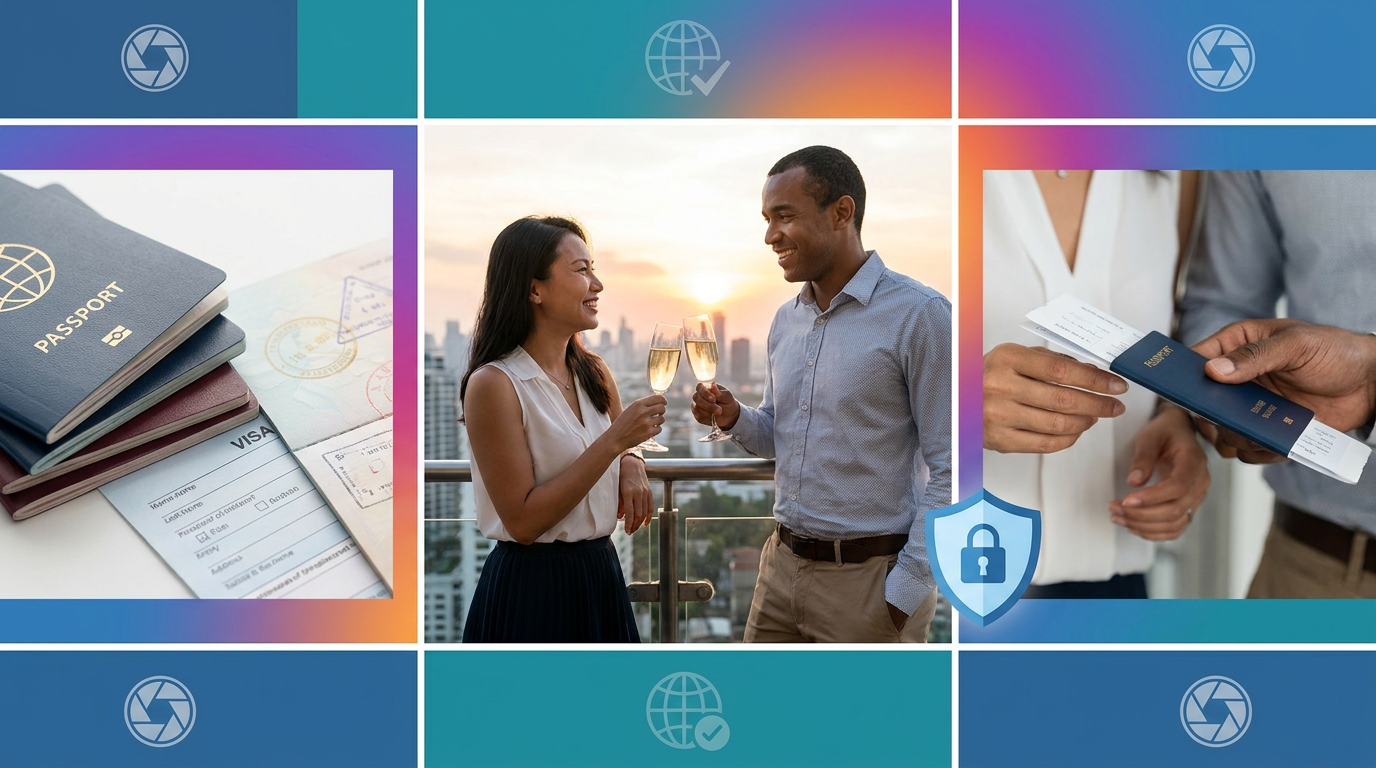
Expert guide on social media screening for K-1 visa to green card process
Understanding USCIS Social Media Screening: What Every Visa Applicant Must Know
In today's digital age, your social media presence has become a critical factor in visa adjudication. The Department of Homeland Security has significantly expanded its social media screening programs since 2024, implementing more sophisticated algorithms and broader review protocols that affect millions of visa applicants annually. Understanding how this screening works—and what content triggers red flags—can mean the difference between approval and denial.
The USCIS Social Media Screening Enhancement Program now reviews publicly available social media content for all visa categories, not just those previously subject to enhanced vetting. This represents a fundamental shift in how immigration officers evaluate applications, with social media serving as both a verification tool and a security screening mechanism. Consular officers and USCIS adjudicators are trained to identify specific categories of concerning content that align with DHS keyword lists and behavioral indicators.
The DHS Screening Framework: Categories and Keywords
The Department of Homeland Security maintains a comprehensive framework for social media screening that includes multiple categories of concerning content. These categories range from obvious security threats to more nuanced indicators of potential immigration fraud or visa violations. Understanding these categories allows applicants to audit their own profiles before government screening occurs.
The primary DHS screening categories include violence and threats, terrorism-related content, fraud indicators, immigration intent violations, and public safety concerns. Each category contains specific keywords and contextual patterns that trigger either automated flags or manual review. While the complete keyword list is not publicly available, immigration compliance experts have identified common patterns through case analysis and FOIA requests.
Platform-Specific Screening Considerations
Different social media platforms present unique screening challenges and opportunities. Instagram and Facebook posts with geotags can verify or contradict claimed travel history, while LinkedIn profiles are scrutinized for employment history accuracy. Understanding how each platform's content appears to screeners helps applicants prioritize their cleanup efforts effectively.
How Social Media Screening Impacts K-1 Visa Applicants
For fiancé visa applicants, the scrutiny of social media profiles can be particularly rigorous. The USCIS seeks to confirm the genuine nature of the relationship between the U.S. citizen petitioner and the foreign national beneficiary. Inconsistencies in online content, such as differing relationship statuses or absent mutual connections, can raise suspicion of fraud.
Since the launch of the K-1 visa under INA § 101(a)(15)(K), social media has become an integral part of verifying relationship evidence. Photos, tagged posts, and check-ins can corroborate the timeline and authenticity of a couple's relationship. Conversely, any discrepancies between the online portrayal and the submitted application can lead to increased scrutiny and potential denials.
Common Red Flags in Social Media Screening
Visa applicants should be aware of certain red flags that USCIS might identify during social media screening. These include conflicting information about relationship status, absence of shared photos or interactions, and any online associations with groups or individuals flagged for security concerns. It is crucial to ensure that your social media content aligns with the documentation submitted to USCIS.
Another significant red flag is the presence of fraud indicators, such as posts suggesting the intent to violate visa terms or engage in unauthorized employment. Visa applicants must be vigilant about removing or clarifying any content that could be misconstrued as contradictory to their stated intentions or commitments.
Preparing for Consular Interviews
During consular interviews, officers may reference your social media content to assess the authenticity of your relationship and verify other claims made in your application. Applicants should be prepared to explain any questionable content, such as old posts or humorous comments that might be misinterpreted.
Being proactive by reviewing and cleaning up your social media profiles can significantly reduce the likelihood of encountering difficulties during the interview process. It is advisable to maintain a consistent and honest online presence that aligns with the information provided in your visa application.
Best Practices for Social Media Clean-Up and Privacy
Before undergoing social media screening, fiancé visa applicants should conduct a thorough audit of their online presence. This involves reviewing posts, photos, and interactions for any content that might be interpreted negatively by USCIS or consular officers.
Adjusting your privacy settings can help control what information is publicly accessible. However, it is important to note that government agencies may still access certain private content through legal channels. Therefore, it is prudent to remove or clarify any potentially problematic posts rather than relying solely on privacy settings.
Platform-Specific Privacy Strategies
Different social media platforms offer various privacy settings that can help manage your online footprint. On Facebook, reviewing your timeline and limiting the audience for past posts can prevent outdated content from being misinterpreted. Instagram users can benefit from archiving old stories and being mindful of geotagged posts that could conflict with travel claims.
On LinkedIn, ensuring that your professional profile accurately reflects your employment history is crucial, as discrepancies here can lead to visa application complications. Regularly updating and verifying connections can also support your claims of relationship authenticity.
Actionable Steps to Prepare for Social Media Review
Preparing for social media screening involves more than just cleaning up your profiles; it requires a strategic approach to align your online presence with your visa application. VisaClear's AI-powered tools can assist in identifying potential red flags and suggest areas for improvement.
Here is a step-by-step checklist to help you prepare effectively:
Timing Your Social Media Audit
Timing is crucial when preparing for social media screening. Begin your audit well in advance of your visa interview to allow ample time for adjustments and consultations. Starting this process at least six months before your planned application submission can help mitigate last-minute issues.
Regularly updating your social media to reflect current relationships and activities can also demonstrate ongoing authenticity and transparency, reducing the likelihood of encountering issues during the screening process.
Common Mistakes to Avoid in Social Media Documentation
Several common mistakes can undermine your visa application process. One frequent error is neglecting to update privacy settings after a significant life change, such as an engagement or new employment. This oversight can lead to outdated or contradictory information being visible to screeners.
Another mistake is failing to document explanations for potentially controversial posts. Even if a post is intended as a joke or taken out of context, lacking documentation or a ready explanation can lead to misunderstandings with immigration officials.
Case Examples of Social Media Missteps
Consider the case of an applicant whose Facebook posts from a bachelor party were misinterpreted as indicative of ongoing single status, leading to further scrutiny of their fiancé visa application. Another example involves a LinkedIn profile that inaccurately listed a current employer, resulting in questions about employment intent violations.
These examples highlight the importance of maintaining a consistent and truthful online presence, ensuring that all social media content aligns with the claims made in visa applications and supporting documentation.
Conclusion and Next Steps
Preparing for social media screening as part of the K-1 to green card process requires diligence, honesty, and strategic planning. By proactively managing your online presence, you can present a coherent and authentic narrative that supports your visa application.
While this guide provides valuable insights and strategies, it is not a substitute for professional legal advice. Consulting an experienced immigration attorney can provide personalized guidance tailored to your specific circumstances. Additionally, leveraging VisaClear's advanced screening tools can help identify and address potential issues before they become obstacles.
Remember, a well-prepared social media presence can be a powerful asset in demonstrating the authenticity of your relationship and facilitating a smooth path from K-1 visa to permanent residency.