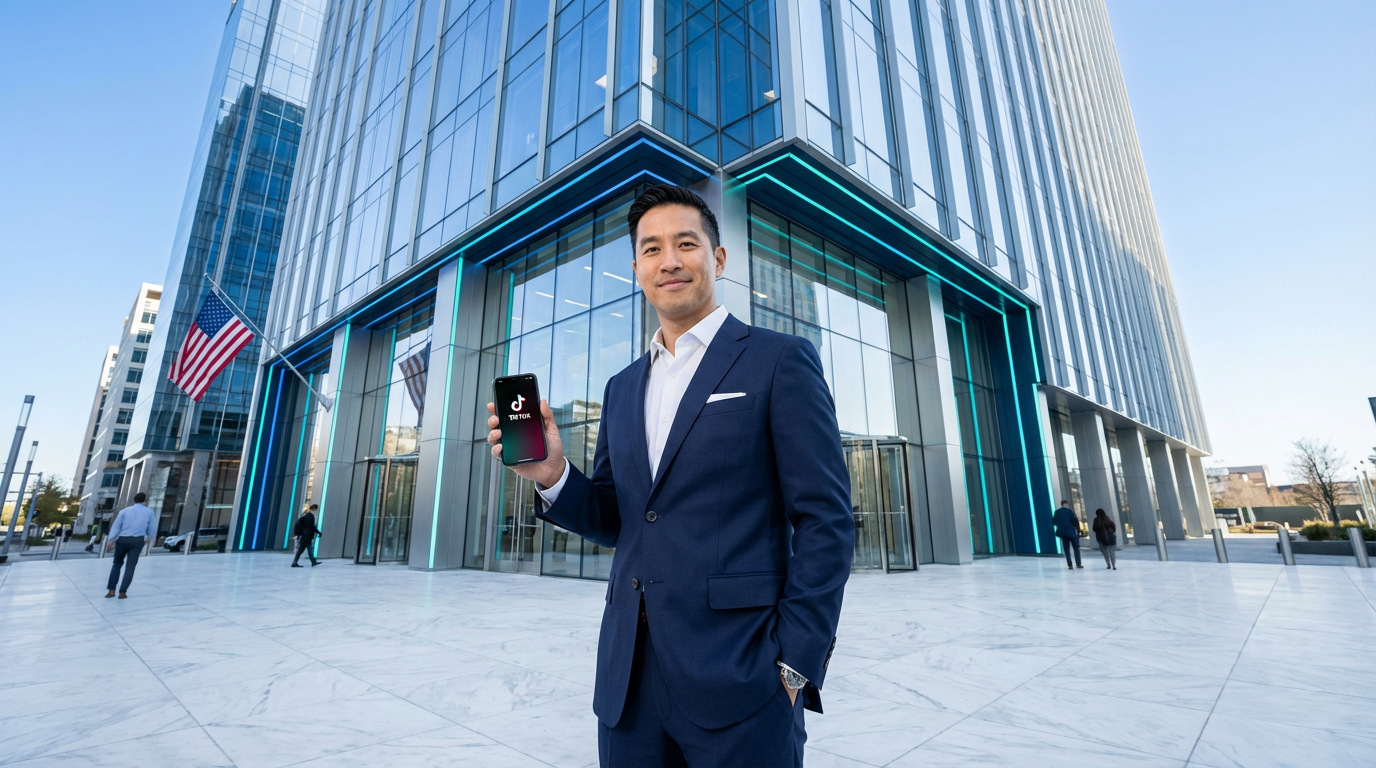
Guide on social media documentation for L-1 visa holders aiming for a green card.
Understanding USCIS Social Media Screening: What Every Visa Applicant Must Know
In today's digital age, your social media presence has become a critical factor in visa adjudication. The Department of Homeland Security has significantly expanded its social media screening programs since 2024, implementing more sophisticated algorithms and broader review protocols that affect millions of visa applicants annually. Understanding how this screening works—and what content triggers red flags—can mean the difference between approval and denial.
The USCIS Social Media Screening Enhancement Program now reviews publicly available social media content for all visa categories, not just those previously subject to enhanced vetting. This represents a fundamental shift in how immigration officers evaluate applications, with social media serving as both a verification tool and a security screening mechanism. Consular officers and USCIS adjudicators are trained to identify specific categories of concerning content that align with DHS keyword lists and behavioral indicators.
The DHS Screening Framework: Categories and Keywords
The Department of Homeland Security maintains a comprehensive framework for social media screening that includes multiple categories of concerning content. These categories range from obvious security threats to more nuanced indicators of potential immigration fraud or visa violations. Understanding these categories allows applicants to audit their own profiles before government screening occurs.
The primary DHS screening categories include violence and threats, terrorism-related content, fraud indicators, immigration intent violations, and public safety concerns. Each category contains specific keywords and contextual patterns that trigger either automated flags or manual review. While the complete keyword list is not publicly available, immigration compliance experts have identified common patterns through case analysis and FOIA requests.
Platform-Specific Screening Considerations
Different social media platforms present unique screening challenges and opportunities. Instagram and Facebook posts with geotags can verify or contradict claimed travel history, while LinkedIn profiles are scrutinized for employment history accuracy. Understanding how each platform's content appears to screeners helps applicants prioritize their cleanup efforts effectively.
L-1 Visa Holders: Navigating the Path to a Green Card
For L-1 visa holders seeking to transition to a green card, understanding the intricacies of social media screening is crucial. The L-1 visa, designed for intracompany transferees, allows multinational companies to transfer employees to the U.S., but the path to permanent residency involves additional scrutiny.
Applicants must ensure their Facebook profiles accurately reflect their professional roles and experiences. For those on an L-1A visa, any discrepancies between executive or managerial claims and online presence could lead to delays or denials. Similarly, L-1B visa holders should ensure their specialized knowledge is evident through professional content shared on platforms like LinkedIn.
Facebook and Employment Verification
On Facebook, reviewing your timeline for posts that could conflict with your stated employment history is essential. Posts that inadvertently suggest different job roles or companies may raise questions during the screening process. It's advisable to clean up old posts that might contradict your current status as an intracompany transferee.
Moreover, multinational company affiliation should be clearly evidenced on your profile. Ensure that your employment history is consistent across all platforms to avoid any red flags during USCIS review. Remember, the goal is to present a coherent and accurate depiction of your professional journey.
Red Flags and Common Mistakes to Avoid
While maintaining a truthful and consistent social media presence is essential, there are common mistakes that applicants should avoid. One significant error is the presence of fraud indicators or posts that might suggest intent to violate immigration rules.
Posts that may appear harmless, such as jokes or sarcastic comments about visa violations, can be misconstrued during screening. Similarly, any content that suggests ties to violence or terrorism can lead to immediate disqualification. Always review your social media history for any such comments or associations and remove them promptly.
Privacy Settings and Content Audit Strategies
Conducting a thorough content audit involves more than just deleting potentially harmful posts. Adjust your Facebook privacy settings to control who can view your personal information and posts. This not only protects your privacy but also limits the exposure of sensitive content.
Review your tagged photos and posts, as these could reveal unintended details about your travels or activities. Pay special attention to any posts from friends or colleagues that might not align with your professional image. Ensuring that your profile presents a professional image consistent with your intracompany transfer claims is crucial.
Step-by-Step Guide to Social Media Cleanup
Embarking on a social media cleanup requires a systematic approach. Here is a step-by-step guide to ensure your social media profiles align with your visa application:
Following these steps can significantly reduce the risk of red flags during the social media screening process. It's important to approach this task with diligence and attention to detail.
Conclusion: Ensuring a Smooth Transition to Permanent Residency
As you navigate the complex journey from an L-1 visa to a green card, understanding and managing your social media presence is more important than ever. While this guide provides a comprehensive overview, consulting with an immigration attorney can offer personalized advice tailored to your unique situation.
For those seeking an advanced solution, VisaClear's AI-powered tools can help identify potential red flags before USCIS review, providing peace of mind and proactive support. By taking these steps, you can better prepare for the social media scrutiny inherent in the visa application process.