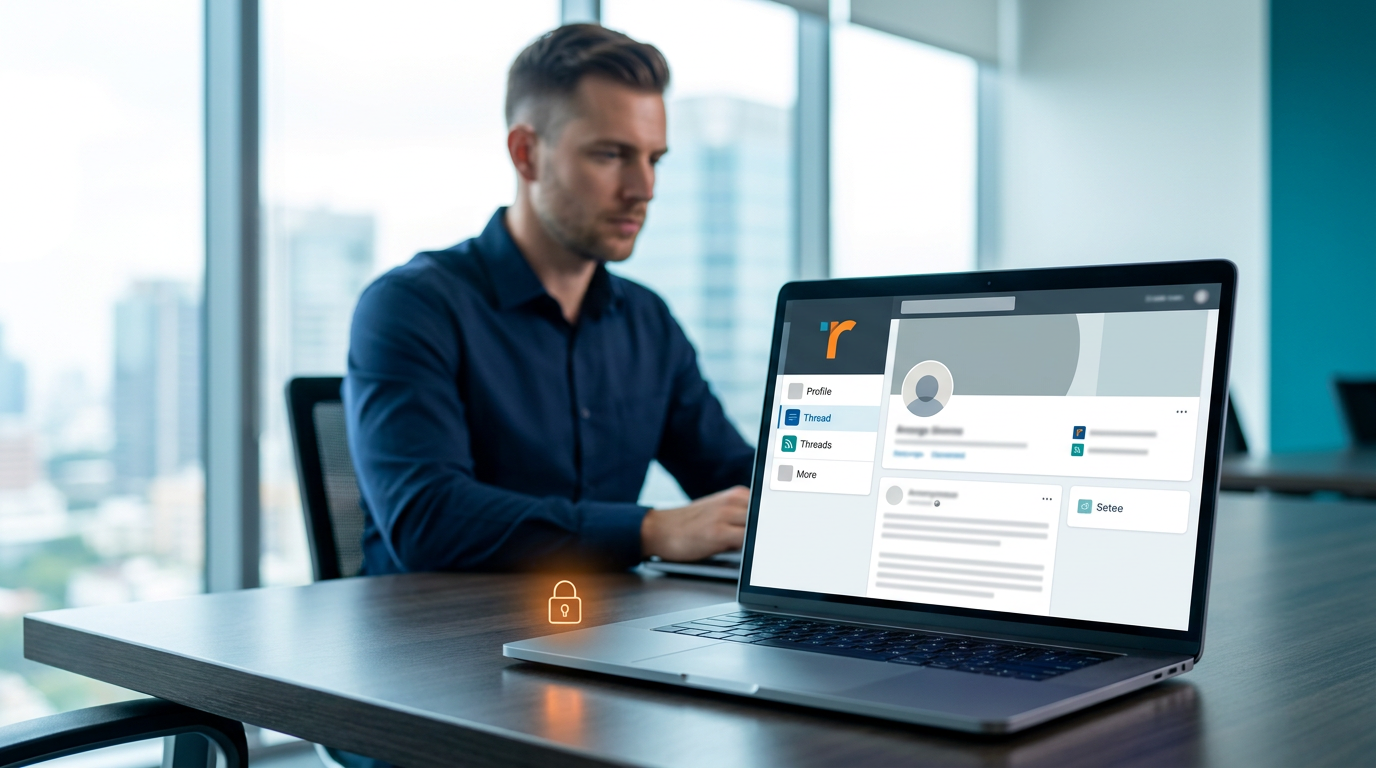
Prepare your LinkedIn for H-1B visa with expert compliance tips.
Understanding USCIS Social Media Screening: What Every Visa Applicant Must Know
In today's digital age, your social media presence has become a critical factor in visa adjudication. The Department of Homeland Security has significantly expanded its social media screening programs since 2024, implementing more sophisticated algorithms and broader review protocols that affect millions of visa applicants annually. Understanding how this screening works—and what content triggers red flags—can mean the difference between approval and denial.
The USCIS Social Media Screening Enhancement Program now reviews publicly available social media content for all visa categories, not just those previously subject to enhanced vetting. This represents a fundamental shift in how immigration officers evaluate applications, with social media serving as both a verification tool and a security screening mechanism. Consular officers and USCIS adjudicators are trained to identify specific categories of concerning content that align with DHS keyword lists and behavioral indicators.
The DHS Screening Framework: Categories and Keywords
The Department of Homeland Security maintains a comprehensive framework for social media screening that includes multiple categories of concerning content. These categories range from obvious security threats to more nuanced indicators of potential immigration fraud or visa violations. Understanding these categories allows applicants to audit their own profiles before government screening occurs.
The primary DHS screening categories include violence and threats, terrorism-related content, fraud indicators, immigration intent violations, and public safety concerns. Each category contains specific keywords and contextual patterns that trigger either automated flags or manual review. While the complete keyword list is not publicly available, immigration compliance experts have identified common patterns through case analysis and FOIA requests.
Platform-Specific Screening Considerations
Different social media platforms present unique screening challenges and opportunities. Instagram and Facebook posts with geotags can verify or contradict claimed travel history, while LinkedIn profiles are scrutinized for employment history accuracy. Understanding how each platform's content appears to screeners helps applicants prioritize their cleanup efforts effectively.
Why Immediate Attention to Social Media is Crucial for H-1B Applicants
The urgency of preparing your LinkedIn visa profile and other social media accounts cannot be overstated for H-1B applicants. As of December 15, 2023, the USCIS requires that all social media profiles relevant to visa applications be accessible to public search. This change enhances transparency but also increases scrutiny. The H-1B visa is a highly competitive work visa, and any negative impressions gleaned from an applicant's social media could affect the outcome.
For analysts and other skilled professionals seeking an H-1B social media review, it is crucial to understand the specific elements that immigration officers focus on. The stakes are high, as any discrepancies or concerning content could lead to a Request for Evidence (RFE) or even denial. Being proactive in your social media strategy ensures that your online presence aligns seamlessly with your application, leaving no room for doubt about your qualifications and intent.
USCIS Screening Processes and Timelines
The USCIS has integrated social media checks into the broader visa adjudication timeline, meaning that social media screening occurs alongside other background checks. For standard processing, this means your profiles may be reviewed at any stage between submission and decision. For those opting for premium processing, the pressure is even greater, as the USCIS aims to expedite reviews without compromising thoroughness.
Understanding the timelines involved can help applicants strategically plan their social media audit. Ideally, applicants should begin reviewing and adjusting their profiles at least six months before anticipated application submission. This timeframe allows for comprehensive cleanup and ensures that any potentially problematic content does not jeopardize your chances during the H-1B interview and subsequent evaluations.
Role of Consular Officer Interviews
Consular officers play a pivotal role in the visa application process, often conducting interviews that include questions about your social media activity. During these interviews, officers are trained to evaluate both the content of your profiles and your responses to any queries about discrepancies or concerning posts. Being prepared with clear, consistent explanations for your online presence is essential.
Officers may reference specific content or ask about your privacy settings. It's crucial to maintain an open, honest stance while ensuring that your responses align with your documented history and professional claims. This is where the use of technology, like VisaClear's AI-powered screening tools, can help identify red flags before they reach the officer's desk, allowing you to address these proactively.
Identifying and Avoiding Social Media Red Flags
The USCIS and DHS have delineated specific categories that constitute red flags in social media screening. Understanding these categories empowers applicants to audit their profiles effectively. The most critical categories include content related to violence, threats, and concerning behavior, terrorism-related content, and fraud indicators.
For instance, posts that suggest any form of violence or association with terrorist groups are immediate red flags. Similarly, inconsistencies between your employment history on LinkedIn and your H-1B application can be perceived as fraudulent misrepresentation, leading to significant complications. It's advisable to maintain a clean, professional online presence that accurately reflects your work visa qualifications and career trajectory.
Common Mistakes to Avoid
Several common mistakes can inadvertently raise red flags during the H-1B social media screening process. One frequent error is failing to update privacy settings appropriately, which can leave personal content exposed to public scrutiny. Another mistake is neglecting to audit past posts that may contain outdated or conflicting information.
Moreover, engaging in discussions or content sharing that could be misinterpreted as supporting violence or illegal activities should be strictly avoided. Applicants should also be wary of sharing political opinions or controversial content that could be perceived as a public safety concern. Regularly monitoring your online presence and making necessary adjustments is a crucial part of maintaining a visa-compliant profile.
Steps for a Social Media Compliance Audit
Conducting a thorough social media compliance audit is an essential step for any H-1B visa applicant. Begin by reviewing all your social media profiles for content that aligns with DHS categories of concern. Use a checklist to systematically evaluate each platform, prioritizing those most relevant to your professional image, like LinkedIn.
Conclusion: Staying Proactive in Social Media Compliance
In conclusion, preparing your social media for the H-1B visa process is a critical component of your application strategy. By understanding the USCIS and DHS screening processes, identifying potential red flags, and conducting regular audits, applicants can significantly reduce the risk of negative outcomes. While this guidance offers a comprehensive overview, it is crucial to consult with an immigration attorney for personalized legal advice.
Consider leveraging VisaClear’s AI-powered tools to streamline the pre-screening process, giving you confidence that your online presence aligns with visa requirements. By taking these proactive steps, you can enhance your application’s credibility and increase your chances of a successful outcome.