Guide on leveraging YouTube for O-1 extraordinary ability visa evidence.
Understanding the Importance of Social Media in O-1 Visa Applications
In the competitive landscape of O-1 visa applications, leveraging your social media presence as evidence of extraordinary ability has become increasingly critical. As of recent updates in 2024, the USCIS has intensified the integration of social media screening to assess the credibility and achievements of applicants. This evolution means that artists aspiring to secure an O-1 visa must not only demonstrate their talent but also present a polished and professional online persona.
Social media platforms, especially YouTube, serve as a dynamic portfolio showcasing your skills, recognition, and influence within your field. The USCIS and other immigration authorities utilize these platforms to corroborate the documentation you submit, such as press coverage and industry awards, with your digital footprint. This makes understanding the nuances of social media screening and preparing your profiles accordingly a crucial step in the visa application process.
How USCIS Social Media Screening Works
The USCIS employs a multifaceted approach to social media screening as part of its evaluation process for the O-1 visa. This involves automated systems and manual reviews aimed at verifying applicants' claimed achievements and ensuring they meet the criteria of extraordinary ability as defined under USCIS guidelines. Social media content is scrutinized not only for evidence of your accomplishments but also for any potential red flags that might indicate security threats or immigration intent violations.
USCIS officers are trained to look for specific categories of concerning content, as outlined by the Department of Homeland Security (DHS). These categories include violence, terrorism, fraud, and public safety concerns. Understanding these categories can help applicants audit and refine their social media presence, ensuring that it aligns with the expectations of immigration authorities.
Identifying and Mitigating Red Flags
Recognizing potential red flags in your social media profiles is essential for any O-1 visa applicant. The DHS has identified several key areas that could trigger further scrutiny or even a denial of your application. These include content related to violence or threats, terrorism-related associations, and fraud indicators. Each of these areas is carefully monitored and could significantly impact your visa application's success.
For artists and individuals in the public eye, posts that could be interpreted as controversial or misleading should be reviewed and, if necessary, removed or clarified. This proactive approach can prevent misunderstandings and ensure that your digital presence supports your case for extraordinary ability, rather than detracting from it.
Examples of Concerning Content
Specific examples of content that could raise red flags include posts that express extremist views, depict illegal activities, or suggest fraudulent behavior. Even seemingly innocuous posts, such as those that exaggerate your accomplishments or misrepresent your professional affiliations, can be problematic. It's crucial to maintain transparency and accuracy in all your online interactions.
Additionally, any associations with individuals or organizations flagged by the DHS for security reasons should be examined. This includes being tagged in photos or posts that could be linked to concerning activities. Regularly auditing your social media presence and removing or addressing such content is a best practice for O-1 visa applicants.
Platform-Specific Guidance for Social Media Optimization
Each social media platform presents unique opportunities and challenges when it comes to presenting your case for an O-1 visa. For artists, platforms like Instagram and YouTube are particularly important as they allow you to showcase your work and influence effectively.
YouTube: A Dynamic Portfolio for Artists
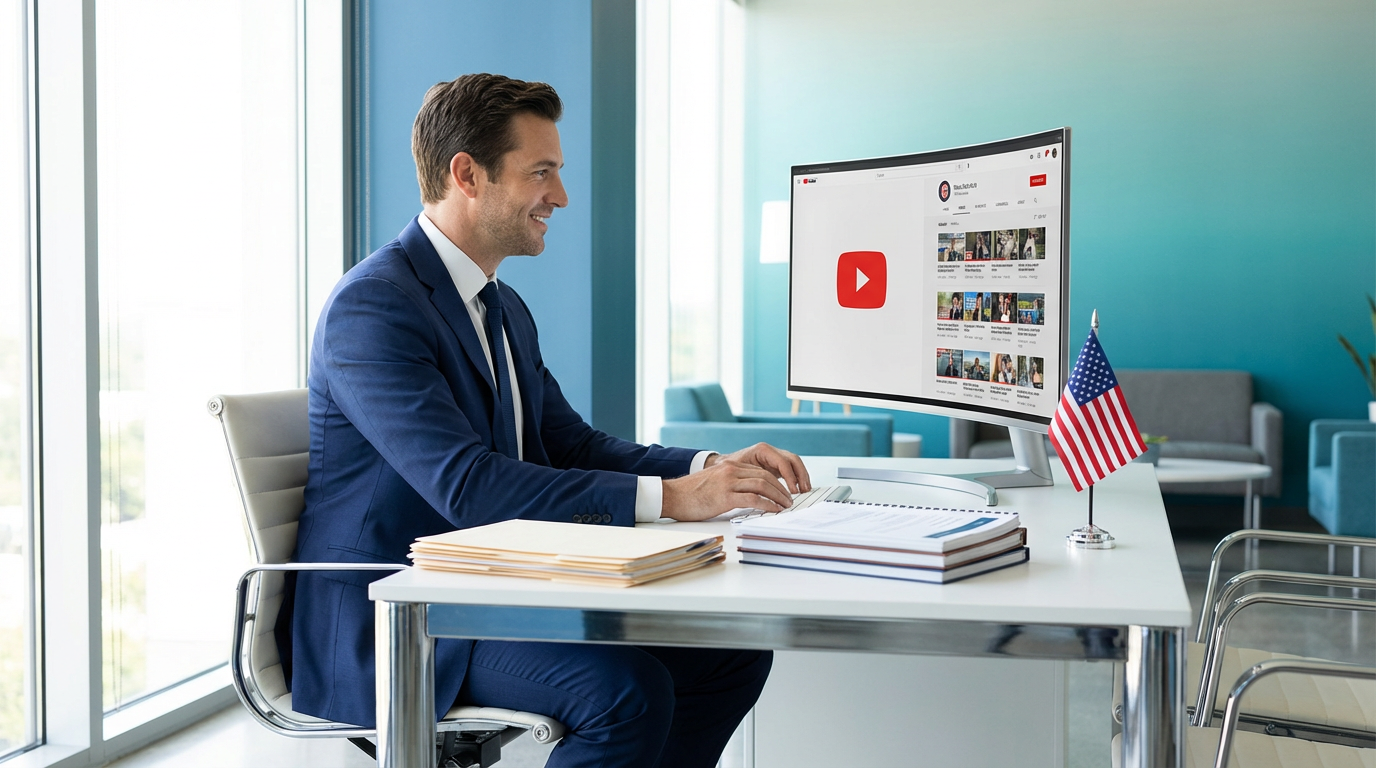
YouTube offers a robust platform for artists to demonstrate their extraordinary ability through video content. High-quality video productions, tutorials, and performances can serve as compelling evidence of your talent and industry recognition. It's important to ensure that your channel is professional, well-organized, and showcases your best work.
Consider creating a dedicated playlist of your most significant works and collaborations, highlighting any viral content or significant viewership milestones. Engage with your audience through comments and community posts to demonstrate your influence and reach within your field.
Instagram: Curating a Professional Image
Instagram is another vital platform for artists seeking an O-1 visa. The visual nature of Instagram allows you to present a curated image of your artistic journey. Ensure that your feed reflects a cohesive theme and professional aesthetic, showcasing your most notable works and industry accolades.
Pay attention to privacy settings, especially regarding tagged photos and stories. Publicly visible content should align with your professional narrative and support your claims of extraordinary ability. Consider using Instagram's archive feature to manage older content that may no longer align with your current professional image.
Actionable Checklist for Social Media Preparation
Preparing your social media profiles for an O-1 visa application involves a strategic approach. Use the following checklist to ensure that your online presence supports your case for extraordinary ability:
Following these steps can help mitigate the risks associated with social media screening and enhance your application for an O-1 visa.
Common Mistakes to Avoid in Social Media Management
Even well-prepared applicants can make mistakes that jeopardize their O-1 visa applications. One common error is failing to maintain consistency between your social media profiles and the claims made in your application. Discrepancies in employment history or achievements can raise questions about the authenticity of your application.
Another frequent mistake is overlooking privacy settings that allow unwanted content to be publicly visible. It’s essential to regularly review and adjust these settings to prevent potentially damaging posts from being accessible to USCIS or DHS officers.
Lastly, engaging in controversial discussions or posting opinions that could be misinterpreted as extremist or inflammatory should be avoided. Maintaining a neutral and professional tone in your online interactions is crucial.
Conclusion and Final Recommendations
In conclusion, social media plays a pivotal role in the O-1 visa application process, serving as both a tool for demonstrating extraordinary ability and a potential source of red flags. Applicants should approach their social media management strategically, aligning their digital presence with the narrative of their professional achievements and industry recognition.
While this guide provides comprehensive insights into optimizing your social media profiles, it is always advisable to consult with an immigration attorney for personalized advice and guidance. For further assistance in preparing for social media screening, consider utilizing VisaClear's AI-powered tools to identify and address potential red flags before submission to USCIS.
By taking these steps, artists can enhance their chances of securing an O-1 visa and continue pursuing their careers in the United States.