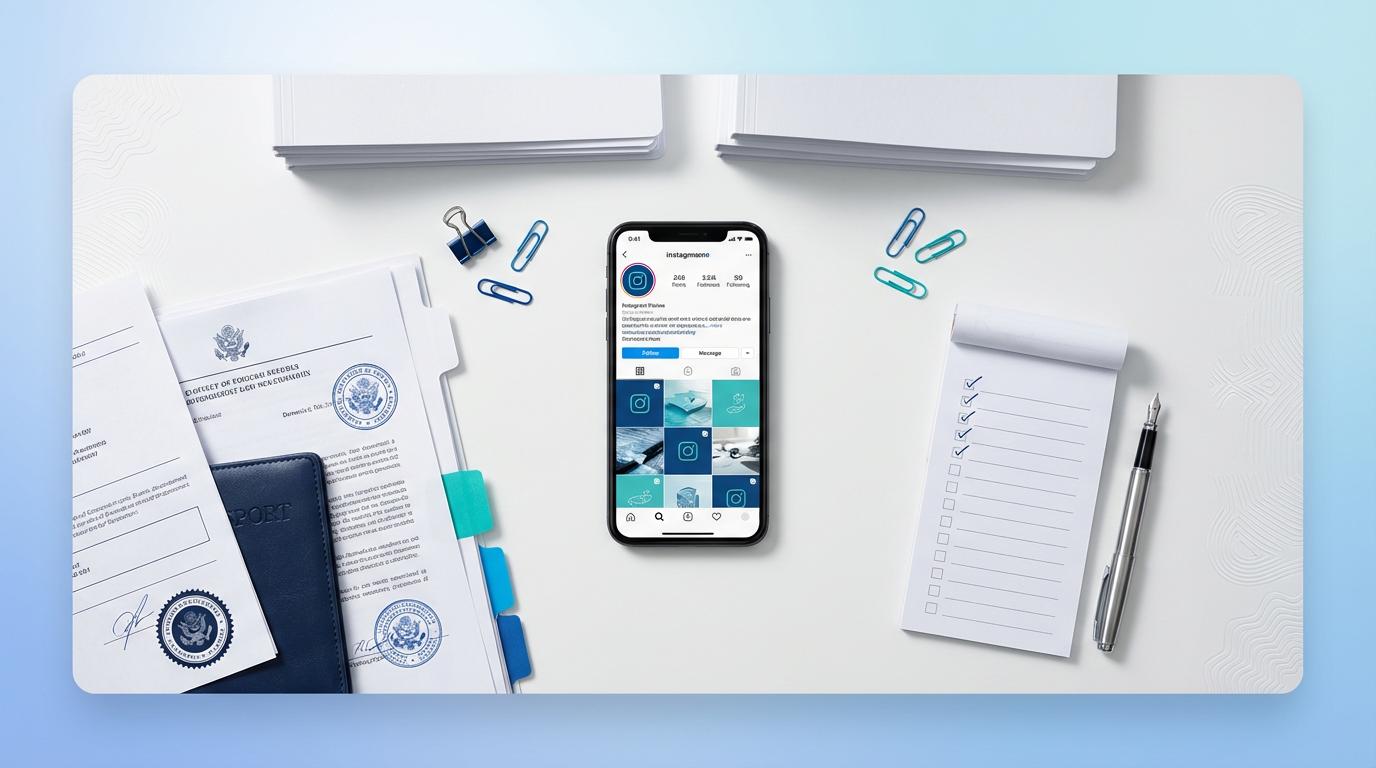
Prepare for visa interviews with this social media checklist.
Understanding USCIS Social Media Screening: What Every Visa Applicant Must Know
In today's digital age, your social media presence has become a critical factor in visa adjudication. The Department of Homeland Security has significantly expanded its social media screening programs since 2024, implementing more sophisticated algorithms and broader review protocols that affect millions of visa applicants annually. Understanding how this screening works—and what content triggers red flags—can mean the difference between approval and denial.
The USCIS Social Media Screening Enhancement Program now reviews publicly available social media content for all visa categories, not just those previously subject to enhanced vetting. This represents a fundamental shift in how immigration officers evaluate applications, with social media serving as both a verification tool and a security screening mechanism. Consular officers and USCIS adjudicators are trained to identify specific categories of concerning content that align with DHS keyword lists and behavioral indicators.
The DHS Screening Framework: Categories and Keywords
The Department of Homeland Security maintains a comprehensive framework for social media screening that includes multiple categories of concerning content. These categories range from obvious security threats to more nuanced indicators of potential immigration fraud or visa violations. Understanding these categories allows applicants to audit their own profiles before government screening occurs.
The primary DHS screening categories include violence and threats, terrorism-related content, fraud indicators, immigration intent violations, and public safety concerns. Each category contains specific keywords and contextual patterns that trigger either automated flags or manual review. While the complete keyword list is not publicly available, immigration compliance experts have identified common patterns through case analysis and FOIA requests.
Platform-Specific Screening Considerations
Different social media platforms present unique screening challenges and opportunities. Instagram and Facebook posts with geotags can verify or contradict claimed travel history, while LinkedIn profiles are scrutinized for employment history accuracy. Understanding how each platform's content appears to screeners helps applicants prioritize their cleanup efforts effectively.
How Social Media Screening Works: Key Processes and Protocols
The process of social media screening by the USCIS and DHS involves both automated and manual components. Initially, public profiles are scanned using advanced AI algorithms designed to identify patterns and keywords that match DHS's predefined categories of concern. This automated phase is followed by a manual review where flagged content is assessed by trained immigration officers to ensure contextual accuracy and relevance.
The Consular Lookout and Support System (CLASS) database plays a crucial role in this process, serving as a repository for all flagged data. Officers consult this database during visa adjudications to cross-reference any concerns raised during the social media screening. Additionally, CBP officers at ports of entry have the authority to conduct electronic device searches, which can include social media accounts if deemed necessary for national security or public safety.
Manual Review Protocols and Their Implications
Unlike automated screenings, manual reviews require human judgment to interpret the context of posts, comments, and interactions. This stage allows officers to discern whether a flagged item genuinely indicates a risk or if it has been misunderstood due to cultural or linguistic nuances. The manual review is particularly critical for content that might appear innocuous but could be misinterpreted under strict immigration guidelines.
For instance, posts related to immigration intent violations might include casual discussions about job opportunities in the U.S. without proper authorization. Similarly, statements that can be construed as public safety concerns need careful contextual evaluation to avoid wrongful denials.
Identifying Red Flags: DHS Categories and Real-World Examples
Understanding what constitutes a red flag in your social media presence is pivotal for a successful visa application. DHS categorizes red flags under several headings, each representing potential risks associated with visa approval. Applicants must be vigilant about these categories and take proactive measures to address any potentially concerning content.
Violence and Threats
Content related to violence or threats is one of the most serious red flags in the DHS screening process. This includes posts, comments, or shares that advocate, glorify, or incite violence. Even joking references to violence can be problematic, as they may be interpreted as genuine threats by USCIS officers. Ensuring that your social media photos and comments are devoid of such content is crucial.
Terrorism-Related Content
Associations with terrorism or extremist ideologies are heavily scrutinized. This includes not only direct references but also indirect links through associations, shared content, or group affiliations on platforms like Instagram. It's essential to conduct a thorough review of your profile and remove any potentially problematic associations or content.
Fraud Indicators and Misrepresentation
Fraud indicators in social media screening can range from discrepancies in stated employment history to false claims about educational qualifications. Platforms like LinkedIn are particularly scrutinized for this purpose. Consistency across all online profiles is key to avoiding potential red flags related to misrepresentation.
Platform-Specific Guidance: Instagram and Beyond
Each social media platform has unique features and privacy settings that can impact the visa application process. For Instagram visa applicants, it's imperative to understand how visual content and interactions are perceived by immigration officers. Ensuring your profile aligns with privacy best practices can mitigate risks associated with social media screenings.
Instagram: A Visual Platform's Unique Challenges
As a predominantly visual platform, Instagram requires special attention to the types of images and videos shared. Geotags and location-based tags can corroborate or contradict your stated travel history, making it essential to ensure accuracy. Additionally, reviewing tagged photos and comments for any potentially problematic content is a vital step in preparation.
Privacy Settings and Cleanup Strategies
Adjusting privacy settings to limit the visibility of past posts is one effective strategy to manage social media screening risks. However, this should be done judiciously, as overly restrictive settings might raise suspicion. Regularly reviewing and updating privacy settings, along with a comprehensive cleanup of older posts and interactions, can significantly reduce the likelihood of negative scrutiny.
Step-by-Step Checklist for Visa Interview Preparation
Preparation is key to ensuring your social media presence supports rather than hinders your visa application. Below is a detailed checklist designed to help you systematically review and enhance your online profiles in anticipation of a USCIS screening.
Initial Profile Review
Content Cleanup and Consistency Checks
Ongoing Monitoring and Documentation
Common Mistakes and How to Avoid Them
Despite best efforts, common mistakes in managing social media presence can lead to complications in the visa application process. By being aware of these pitfalls, applicants can take proactive measures to avoid them.
Ignoring Privacy Settings
One of the most frequent errors is neglecting the importance of privacy settings. Publicly accessible profiles are more likely to undergo detailed scrutiny, increasing the chance of red flags. Regularly updating privacy settings and understanding the implications of public versus private profiles is crucial.
Inconsistent Information Across Platforms
Inconsistencies, particularly in employment and education details, can raise suspicion of fraud indicators. It's vital to ensure that all information is consistent across different platforms, especially those used for professional networking like LinkedIn.
Failure to Monitor Ongoing Activity
Neglecting to monitor ongoing activity can lead to new content being flagged. Setting up alerts and regularly checking interactions can help maintain a clean and compliant social media presence.
Conclusion: Proactive Management and Professional Guidance
In an era where social media screening is an integral part of the immigration process, proactive management of your online presence is more important than ever. While this guide provides comprehensive strategies and insights, it's always advisable to consult with an immigration attorney for personalized advice tailored to your specific circumstances.
For ongoing support and advanced monitoring capabilities, consider utilizing tools like VisaClear to identify and address potential red flags before they become an issue during the USCIS review. By taking these steps, you can approach your visa interview with confidence, knowing that your social media profiles accurately reflect your eligibility and intentions.