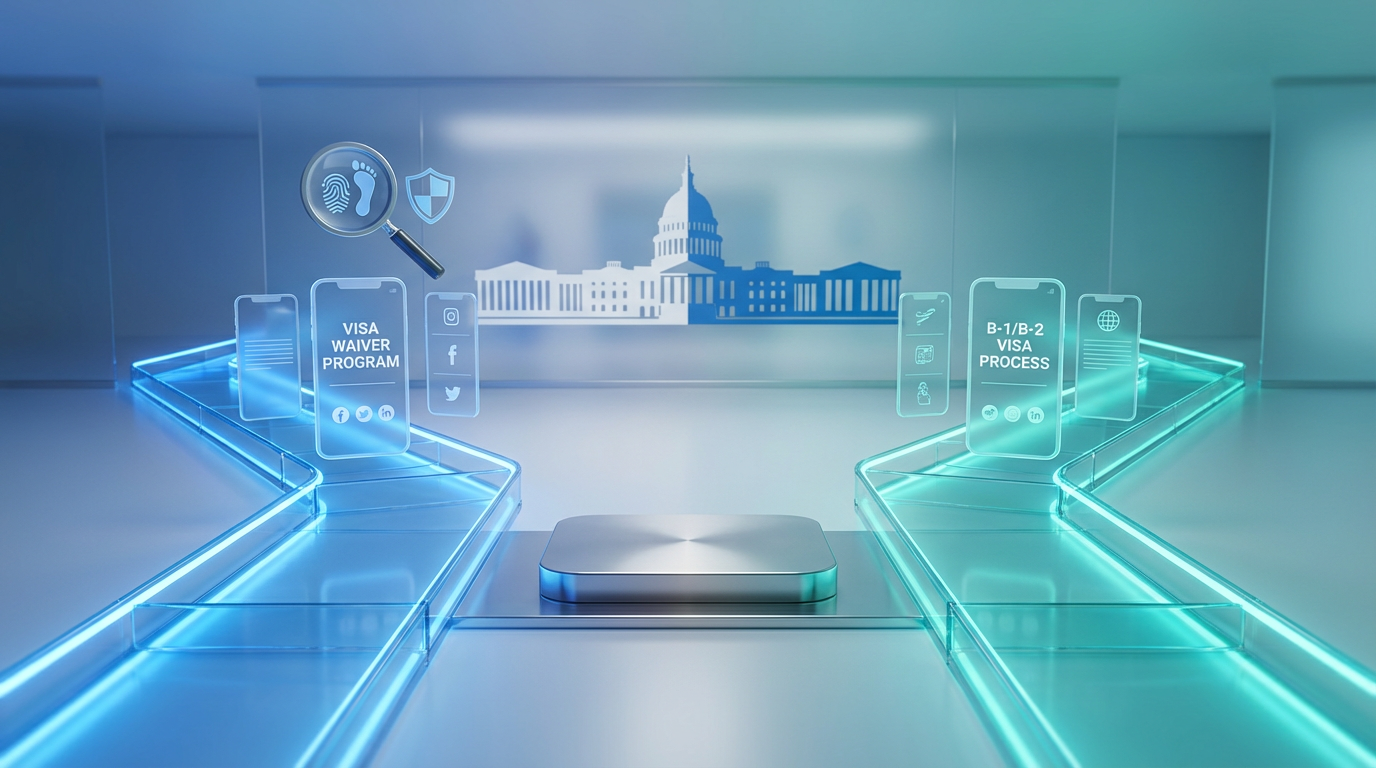
Explore the differences in social media screening for visa waiver and B-1/B-2 visas.
Understanding USCIS Social Media Screening: What Every Visa Applicant Must Know
In today's digital age, your social media presence has become a critical factor in visa adjudication. The Department of Homeland Security has significantly expanded its social media screening programs since 2024, implementing more sophisticated algorithms and broader review protocols that affect millions of visa applicants annually. Understanding how this screening works—and what content triggers red flags—can mean the difference between approval and denial.
The USCIS Social Media Screening Enhancement Program now reviews publicly available social media content for all visa categories, not just those previously subject to enhanced vetting. This represents a fundamental shift in how immigration officers evaluate applications, with social media serving as both a verification tool and a security screening mechanism. Consular officers and USCIS adjudicators are trained to identify specific categories of concerning content that align with DHS keyword lists and behavioral indicators.
The Urgency of Social Media Screening: Why It Matters Now
With the rise of digital communication, the USCIS and DHS have recognized the need to adapt their screening processes to include social media analysis. This is particularly urgent for travelers using the visa waiver program or applying for a B-1/B-2 visitor visa, as these categories are subject to different levels of scrutiny and potential pitfalls. Screening processes have been intensified to ensure that individuals seeking entry into the United States do not pose a security risk or have intentions that deviate from their stated purpose of travel.
For those under the visa waiver program, the ESTA system conducts automated screenings, which include social media checks. In contrast, applicants for the B-1/B-2 visa often undergo more comprehensive evaluations, including personal interviews where social media content can be examined more closely. Failing to prepare adequately can lead to denials based on what may seem to be innocuous social media activity. Therefore, understanding these differences is crucial for applicants to navigate the process successfully.
How Social Media Screening Works
The Department of Homeland Security uses a combination of automated systems and manual checks to perform social media screenings. For ESTA applicants under the visa waiver program, algorithms quickly scan for keywords and patterns that may indicate a security threat or visa violation. This screening is often more limited due to the sheer volume of travelers but is nonetheless rigorous enough to catch major red flags.
On the other hand, B-1/B-2 visa applicants are subject to more detailed examination, which may include a review of their social media presence. Consular officers can request applicants to provide social media identifiers, which allows them to manually inspect profiles for content that might suggest immigrant intent or unauthorized work plans. Understanding these processes helps applicants to proactively manage their online presence and mitigate potential issues before their interviews.
Red Flags: DHS Categories and Real Examples
The DHS has identified several categories of content that can trigger red flags during social media screenings. These include violence and threats, terrorism-related content, fraud indicators, and immigration intent violations. Each of these categories is associated with specific keywords and contextual cues that can lead to further investigation or immediate denial of entry.
For example, posts on platforms like Reddit discussing unauthorized work or extended stays in the U.S. can be interpreted as intent to violate visa terms. Similarly, content showing strong ties to the U.S., such as job offers or lease agreements, can raise concerns about immigrant intent. It is crucial for applicants to review their past posts and understand how they might be perceived by immigration authorities.
Platform-Specific Screening Considerations
Different social media platforms offer unique challenges and opportunities for users undergoing screening. For instance, Facebook provides a comprehensive view of a person's history through their timeline, check-ins, and tagged photos. Immigration officials may review this content to verify travel claims or detect inconsistencies.
On Instagram, geotagged photos and stories can corroborate or contradict an applicant's stated travel history. Meanwhile, LinkedIn profiles are scrutinized to confirm employment claims, which is particularly relevant for B-1 visa applicants attending conferences or business meetings.
Actionable Checklist for Social Media Audit
To navigate the complexities of social media screening, visa applicants should perform a comprehensive audit of their online presence. This checklist outlines the steps necessary to ensure that your profiles align with your visa application and do not inadvertently raise red flags with immigration authorities.
Step 1: Review privacy settings on all platforms to control who can view your content. Ensure that sensitive posts are not publicly accessible.
Step 2: Conduct a keyword search of your past posts to identify and delete any content that may trigger concerns, such as discussions about long-term stays or job opportunities in the U.S.
Step 3: Update your profiles to reflect accurate and current information, especially on professional networks like LinkedIn where discrepancies can lead to further scrutiny.
Step 4: Monitor your tagged photos and posts. Ensure that they do not suggest unauthorized activities or ties that contradict your visa type.
Step 5: Use VisaClear's AI-powered screening tools to identify potential red flags before your application is submitted to USCIS.
Common Mistakes and How to Avoid Them
Many visa applicants fall into common traps that can jeopardize their chances of approval. One frequent mistake is failing to recognize the permanence of online content; posts made years ago can still impact an application today. Additionally, using Reddit and other forums for anonymous discussions about immigration plans can backfire if these posts are linked back to the applicant.
Another error is assuming that privacy settings will shield you from scrutiny. While adjusting these settings is important, it's not foolproof. Immigration authorities may still gain access to private content through various means, including direct requests during interviews. Applicants should also be cautious about their digital footprint, ensuring that any public content aligns with their stated reasons for travel.
Conclusion: Navigating Social Media Screening Successfully
As social media becomes increasingly integral to immigration screening processes, understanding how to manage your online presence is more important than ever. While the process can seem daunting, being proactive and informed can significantly improve your chances of a successful visa application. Remember, it's always advisable to consult an immigration attorney for personalized guidance.
For those looking to confidently navigate the complexities of social media screening, VisaClear offers advanced tools designed to highlight potential red flags before they reach the eyes of USCIS officials. By leveraging technology, you can ensure your social media profiles reflect your true intentions and prevent unnecessary complications in your visa journey.