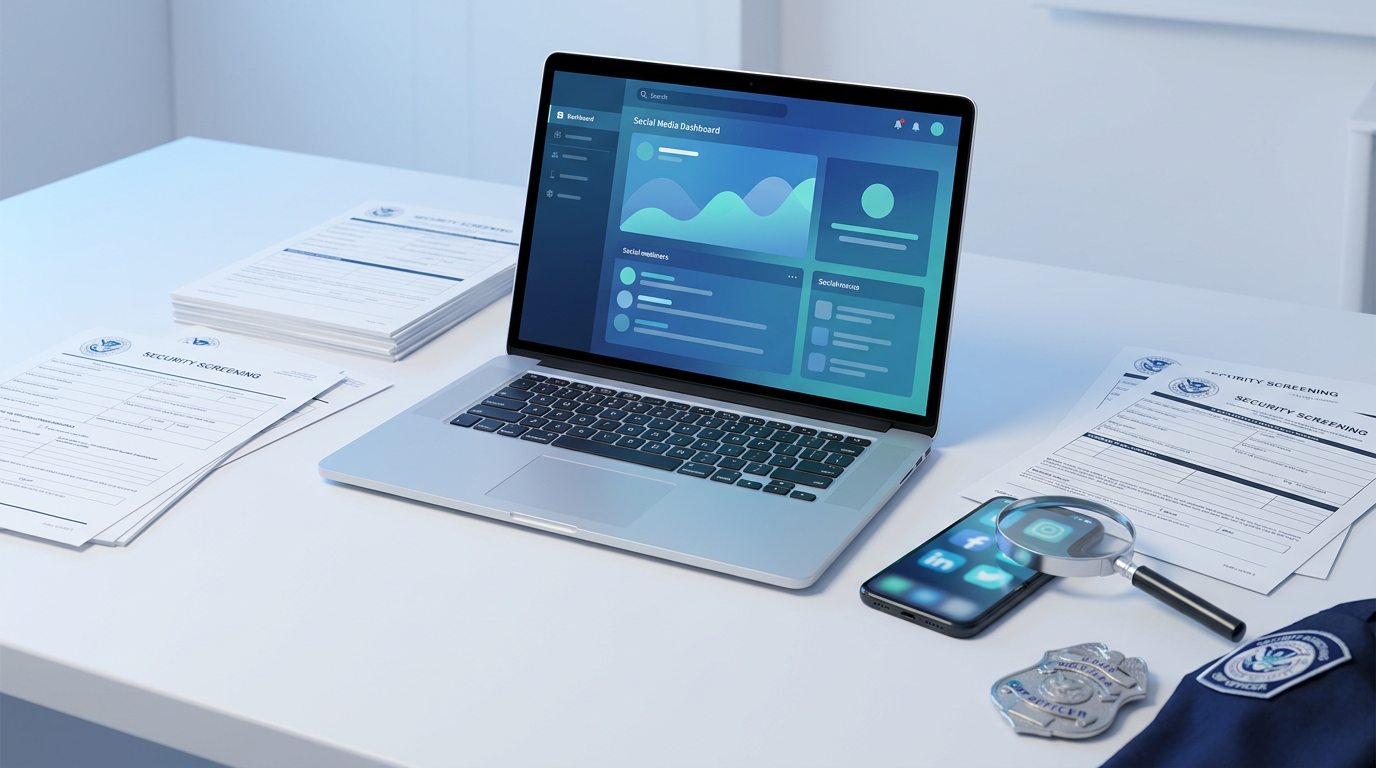
Expert tips on CBP social media screening for visa applicants.
Understanding the Urgency of Social Media Screening in Visa Applications
In today's interconnected world, the importance of a social media presence cannot be underestimated, especially for individuals undergoing the visa application process. The Department of Homeland Security (DHS) has significantly expanded its social media screening programs, making it imperative for visa applicants to understand how their online activities can impact their immigration status. This urgency stems from the DHS's implementation of advanced algorithms and comprehensive review protocols that aim to enhance national security while verifying applicant information.
With the expansion of the USCIS Social Media Screening Enhancement Program, all visa categories are now subject to social media reviews. This marks a pivotal change in how immigration officers assess applications, utilizing social media as both a verification tool and a mechanism for screening potential security threats. Understanding the intricacies of this process and the potential red flags can be the deciding factor between a successful visa application and a denial.
How Social Media Screening Works: DHS and USCIS Processes
The social media screening process by DHS and USCIS involves a multi-layered approach, combining automated keyword algorithms with manual reviews. The DHS's screening framework includes a variety of categories that focus on identifying potential threats and inconsistencies in applicants' information. This process is designed to detect any content that may indicate a security risk, fraudulent activity, or violations of immigration laws.
The screening process begins with the collection of publicly available information from various social media platforms. Advanced algorithms analyze this data to identify specific keywords and patterns associated with security threats. Flagged content is then subject to manual review by trained immigration officers who assess the context and relevance of the content in relation to the applicant's visa category and history.
Identifying Red Flags: DHS Screening Categories
The DHS maintains a detailed framework for social media screening that includes several categories of concern. These categories are designed to identify both direct and indirect threats to national security and immigration compliance. Understanding these categories can help applicants audit their social media profiles and mitigate potential issues before they arise.
The primary DHS screening categories include violence and threats, terrorism-related content, fraud indicators, immigration intent violations, and public safety concerns. Each category contains specific keywords and contextual patterns that can trigger automated or manual reviews. While the complete list of keywords is not publicly available, immigration compliance experts have identified common patterns through case analysis and Freedom of Information Act (FOIA) requests.
Examples of Red Flags and Their Implications
Examples of red flags in the violence and threats category include posts that advocate or glorify violence, while terrorism-related content may involve associations with known extremist groups or individuals. Fraud indicators often involve discrepancies between the information provided in the visa application and what is publicly available on social media. Immigration intent violations can be flagged if an applicant's social media activity suggests plans to overstay their visa or engage in unauthorized work.
Platform-Specific Guidance: Privacy Settings and Cleanup Strategies
Each social media platform presents unique challenges and opportunities for visa applicants. Platforms like Reddit and Facebook have different privacy settings and content visibility options that can affect how information is screened by immigration officers. Understanding these nuances is crucial for applicants aiming to present a compliant and accurate online presence.
On Facebook, applicants should review their timeline for old posts, check-ins, and tagged photos that might contradict their visa application. On Reddit, it's important to scrutinize anonymous posts that could be linked back to the applicant, particularly those discussing immigration or controversial topics. Ensuring that privacy settings are appropriately configured and that content is reviewed for potential red flags can help mitigate the risk of adverse screening outcomes.
Actionable Checklist for Social Media Compliance
To ensure compliance with DHS and USCIS social media screening requirements, visa applicants should follow a systematic approach to audit and manage their online presence. This checklist provides a step-by-step guide to navigating the complexities of social media screening and maintaining a compliant profile.
Step-by-Step Timeline for Social Media Audits
1-3 Months Prior to Application: Begin by conducting a thorough review of all social media platforms. Identify and remove any content that may be considered a red flag, such as posts related to violence or controversial topics.
1 Month Prior to Application: Update privacy settings to limit public visibility of sensitive content. Ensure that all profile information aligns with the details provided in the visa application.
2 Weeks Prior to Application: Conduct a final audit of all social media profiles to verify that no concerning content remains. Use tools like VisaClear to identify potential red flags before submitting the application.
Ongoing Maintenance Strategies
After submitting the visa application, maintain a vigilant approach to social media content. Regularly review and update profiles to ensure continued compliance with DHS guidelines. Monitor new posts and interactions for potential issues and address them promptly.
Common Mistakes to Avoid in Social Media Screening
Despite best efforts, common mistakes can occur during the social media screening process. Understanding these pitfalls can help applicants avoid unnecessary complications and ensure a smoother visa application experience.
One frequent mistake is failing to align social media profile information with the visa application details. Inconsistencies in employment history, educational background, or travel records can raise red flags for immigration officers. Additionally, neglecting to regularly review and update privacy settings can result in unintended exposure of sensitive content.
Specific Examples and Lessons Learned
A case study involving a visa applicant who inadvertently shared a post that contradicted their stated travel plans highlights the importance of thorough audits. Another example involves an applicant whose comments on a public forum were perceived as a potential threat, illustrating the need to monitor anonymous posts and interactions on platforms like Reddit.
Conclusion: Ensuring Compliance and Seeking Expert Guidance
In conclusion, navigating the complexities of social media screening in the visa application process requires a proactive and informed approach. By understanding the DHS and USCIS screening frameworks, identifying potential red flags, and implementing effective privacy and cleanup strategies, applicants can better position themselves for a favorable outcome. However, given the intricacies of immigration law, it is always advisable to consult with an immigration attorney for personalized guidance.
For those seeking additional support, tools like VisaClear can provide valuable insights into potential red flags and help applicants prepare for the screening process. By leveraging such resources, applicants can enhance their understanding of the screening landscape and increase their chances of a successful visa application.