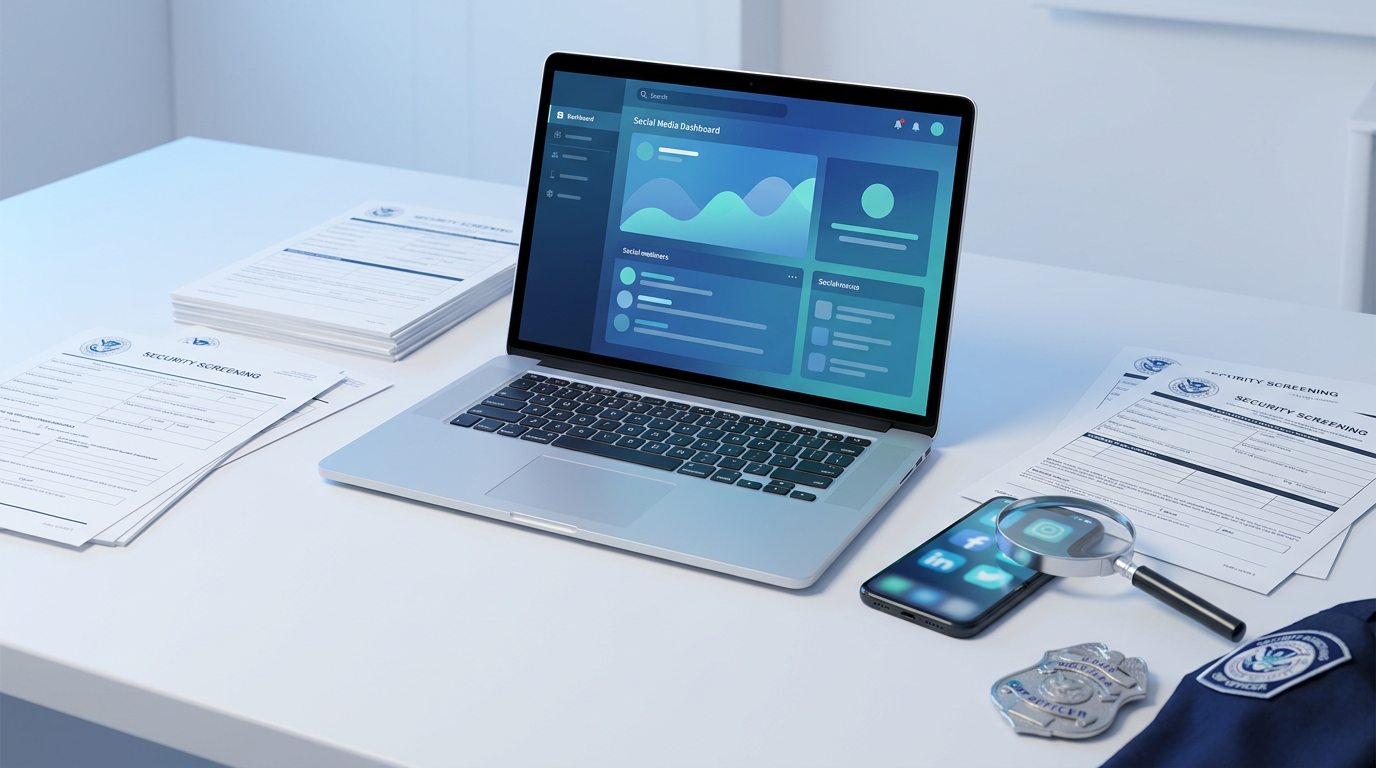
Prepare for your visa interview with our social media checklist.
Understanding USCIS Social Media Screening: What Every Visa Applicant Must Know
In today's digital age, your social media presence has become a critical factor in visa adjudication. The Department of Homeland Security has significantly expanded its social media screening programs since 2024, implementing more sophisticated algorithms and broader review protocols that affect millions of visa applicants annually. Understanding how this screening works—and what content triggers red flags—can mean the difference between approval and denial.
The USCIS Social Media Screening Enhancement Program now reviews publicly available social media content for all visa categories, not just those previously subject to enhanced vetting. This represents a fundamental shift in how immigration officers evaluate applications, with social media serving as both a verification tool and a security screening mechanism. Consular officers and USCIS adjudicators are trained to identify specific categories of concerning content that align with DHS keyword lists and behavioral indicators.
The DHS Screening Framework: Categories and Keywords
The Department of Homeland Security maintains a comprehensive framework for social media screening that includes multiple categories of concerning content. These categories range from obvious security threats to more nuanced indicators of potential immigration fraud or visa violations. Understanding these categories allows applicants to audit their own profiles before government screening occurs.
The primary DHS screening categories include violence and threats, terrorism-related content, fraud indicators, immigration intent violations, and public safety concerns. Each category contains specific keywords and contextual patterns that trigger either automated flags or manual review. While the complete keyword list is not publicly available, immigration compliance experts have identified common patterns through case analysis and FOIA requests.
Platform-Specific Screening Considerations
Different social media platforms present unique screening challenges and opportunities. Instagram and Facebook posts with geotags can verify or contradict claimed travel history, while LinkedIn profiles are scrutinized for employment history accuracy. Understanding how each platform's content appears to screeners helps applicants prioritize their cleanup efforts effectively.
How Social Media Screening Works: USCIS and DHS Processes
The social media screening process for visa applicants involves both automated tools and manual reviews conducted by trained personnel. The DHS has developed sophisticated algorithms that scan public profiles across various platforms. These algorithms flag content that matches pre-determined keywords associated with security threats, fraud, or any behavior indicative of visa violations.
Once content is flagged, it undergoes further scrutiny by immigration officers who assess the context and relevance of the flagged material. This dual approach ensures that both broad data patterns and individual nuances are considered. Additionally, the Consular Lookout and Support System (CLASS) database is utilized to cross-reference social media data with other personal and travel information, enhancing the robustness of the screening process.
Manual Review Protocols
In cases where automated systems flag potential issues, manual review protocols are activated. These protocols involve trained officers analyzing the content in question to determine its significance. Officers look for context, intent, and any patterns of behavior that might indicate a potential security threat or immigration violation. This step is crucial in distinguishing between benign posts and those that might warrant further action.
Manual reviews are particularly important for assessing content that involves cultural nuances or language differences, which automated systems might misinterpret. Understanding these protocols can help applicants better prepare their profiles by ensuring that content is clear and unambiguous.
Timing and Duration of Social Media Checks
The timing of social media checks can vary depending on the visa category and the applicant's profile. Typically, these checks occur shortly after the submission of the visa application and continue up until the visa interview. In some cases, post-interview checks may also occur if new information arises or if there are delays in the decision-making process.
Applicants should be aware that the social media screening process is continuous and dynamic, meaning that ongoing activity on social media can impact the outcome even after initial checks. It is advisable to maintain a consistent and compliant online presence throughout the entire visa application process.
Identifying Red Flags: DHS Categories and Examples
Understanding what constitutes a red flag in the context of social media screening is crucial for visa applicants. The DHS has identified several categories of concerning content that can affect visa decisions. These include violence and threats, terrorism-related content, fraud indicators, and public safety concerns.
For example, posts that promote or glorify violence, express extremist views, or suggest involvement in illegal activities are likely to be flagged. Similarly, content that contradicts information provided in the visa application, such as employment history or travel plans, can lead to further scrutiny.
Common Red Flag Examples
Common examples of red flags include public statements supporting violence, sharing or liking extremist content, and any posts that might suggest fraudulent behavior. Additionally, discrepancies between social media profiles and official documents can also raise concerns. For instance, if an applicant claims to be employed in one location but frequently checks in at another, this could prompt further investigation.
It's essential for applicants to conduct a thorough review of their social media history to identify and address any potential red flags before submitting their visa applications. This proactive approach can prevent unnecessary delays and complications.
Addressing and Mitigating Red Flags
If potential red flags are identified, applicants should take steps to address and mitigate them. This might involve deleting or modifying problematic content, providing context for certain posts, or ensuring that privacy settings limit the visibility of sensitive information. In some cases, it may be beneficial to consult with an immigration attorney to develop a strategy for addressing these issues.
By taking these steps, applicants can demonstrate their understanding of the screening process and their commitment to compliance, which can positively impact the outcome of their visa applications.
Platform-Specific Guidance: Privacy Settings and Cleanup Strategies
Each social media platform has unique features and privacy settings that can influence the social media screening process. Understanding how to effectively manage these settings is crucial for visa applicants who wish to present a compliant and consistent online presence.
Facebook and Instagram
For Facebook, it's important to review and clean up the timeline, including old posts, check-ins, and tagged photos. Adjusting privacy settings to limit who can see past posts can also be beneficial. On Instagram, applicants should pay attention to visual content and geotagged locations, ensuring that posts do not contradict travel claims or other application details.
Both platforms offer privacy settings that allow users to control who can see their content. Applicants should regularly review these settings and make adjustments to ensure that their profiles are not publicly accessible, reducing the likelihood of unwanted scrutiny.
LinkedIn and Professional Networks
LinkedIn presents unique challenges due to its focus on professional information. Applicants should ensure that their employment history and educational details are accurate and consistent with their visa application. Discrepancies on LinkedIn can easily be flagged, so it's crucial to regularly update and verify profile information.
Privacy settings on LinkedIn allow users to control who can view their connections and profile details. Adjusting these settings can help applicants manage their professional image while minimizing the risk of inconsistencies being flagged during screening.
TikTok and Video Content
For platforms like TikTok, where video content is prevalent, it's important to be mindful of the themes and statements present in videos. Content that might be seen as promoting illegal activities or extremist views should be carefully reviewed and, if necessary, removed.
Applicants should also consider how their TikTok activity reflects on their personal character and ensure that their content aligns with the information provided in their visa applications. Privacy settings can be adjusted to limit the visibility of video content to trusted followers, reducing the risk of negative impressions during screening.
Step-by-Step Actionable Checklist for Social Media Preparation
Preparing your social media profiles for visa application screening involves several key steps. This checklist provides a comprehensive guide to ensure that your online presence aligns with the requirements of the screening process.
Initial Social Media Audit
Begin by conducting a thorough audit of all social media profiles. Identify any content that might be considered a red flag, such as posts promoting violence, extremist views, or discrepancies with your visa application. Make note of any necessary changes or deletions.
Consider using tools like VisaClear to assist with this process. Our AI-powered screening tools can help identify potential red flags before they are flagged by USCIS, providing peace of mind and a proactive approach to compliance.
Privacy Settings and Content Cleanup
Ongoing Monitoring and Consistency
Maintain a consistent and compliant online presence throughout the visa application process. Regularly review your profiles for new content that might be flagged and make adjustments as needed. Remember that social media screening is an ongoing process, and your activity can impact your application even after initial checks.
By following this checklist, applicants can minimize the risk of red flags and present a well-managed social media presence that aligns with their visa applications.
Common Mistakes to Avoid in Social Media Screening
Even well-prepared applicants can fall into common traps when it comes to social media screening. Understanding these pitfalls and how to avoid them is crucial for a successful visa application.
Ignoring Privacy Settings
One of the most common mistakes is failing to adjust privacy settings, leaving profiles publicly accessible. This oversight can expose applicants to unnecessary scrutiny and increase the likelihood of content being flagged. Always ensure that privacy settings are configured to limit the visibility of personal information and content.
Inconsistent Information
Discrepancies between social media profiles and visa application details can raise red flags. For example, if an applicant lists a current employer on LinkedIn that differs from the employment information provided in the application, this inconsistency can prompt further investigation. Always verify that all information is consistent across platforms.
Overlooking Old Content
Many applicants focus on recent content and overlook older posts that might still be visible. It's important to conduct a comprehensive review of all social media activity, including archived posts and comments. Deleting or modifying problematic content from the past can prevent issues during screening.
Conclusion: The Importance of Professional Guidance
The social media screening process is an integral part of the visa application journey, with the potential to significantly impact the outcome. By understanding the processes and potential red flags involved, applicants can take proactive steps to ensure compliance and reduce the risk of delays or denials.
While this guide provides valuable insights and strategies for managing social media profiles, it's important to remember that each case is unique. Consulting with an immigration attorney can provide personalized advice and ensure that all aspects of the application are thoroughly addressed.
For those seeking to streamline the process, VisaClear's AI-powered tools offer an effective solution for identifying and mitigating potential issues before they are flagged by USCIS. By integrating technology and expertise, VisaClear helps applicants navigate the complexities of social media screening with confidence.