Guide for international students on what USCIS checks on social media for CPT
Understanding USCIS Social Media Screening: What Every Visa Applicant Must Know
In today's digital age, your social media presence has become a critical factor in visa adjudication. The Department of Homeland Security has significantly expanded its social media screening programs since 2024, implementing more sophisticated algorithms and broader review protocols that affect millions of visa applicants annually. Understanding how this screening works—and what content triggers red flags—can mean the difference between approval and denial.
The USCIS Social Media Screening Enhancement Program now reviews publicly available social media content for all visa categories, not just those previously subject to enhanced vetting. This represents a fundamental shift in how immigration officers evaluate applications, with social media serving as both a verification tool and a security screening mechanism. Consular officers and USCIS adjudicators are trained to identify specific categories of concerning content that align with DHS keyword lists and behavioral indicators.
The DHS Screening Framework: Categories and Keywords
The Department of Homeland Security maintains a comprehensive framework for social media screening that includes multiple categories of concerning content. These categories range from obvious security threats to more nuanced indicators of potential immigration fraud or visa violations. Understanding these categories allows applicants to audit their own profiles before government screening occurs.
The primary DHS screening categories include violence and threats, terrorism-related content, fraud indicators, immigration intent violations, and public safety concerns. Each category contains specific keywords and contextual patterns that trigger either automated flags or manual review. While the complete keyword list is not publicly available, immigration compliance experts have identified common patterns through case analysis and FOIA requests.
Platform-Specific Screening Considerations
Different social media platforms present unique screening challenges and opportunities. Instagram and Facebook posts with geotags can verify or contradict claimed travel history, while LinkedIn profiles are scrutinized for employment history accuracy. Understanding how each platform's content appears to screeners helps applicants prioritize their cleanup efforts effectively.
How USCIS Social Media Screening Works: Processes and Timelines
The USCIS social media screening process involves both automated and manual reviews. Automated systems flag content based on predefined DHS categories and keywords. Once flagged, content may be subject to manual review by trained immigration officers. The timelines for these screenings can vary, with some evaluations occurring pre-interview and others during routine application processing.
For F-1 visa holders, especially those applying for CPT or OPT, the scrutiny can be more intense due to the temporary nature of their stay and the potential for work authorization. The SEVIS system plays a significant role in cross-referencing academic and employment claims against social media data. Understanding the intricacies of this process can help applicants better prepare their online profiles.
Consular Officer Interview Practices
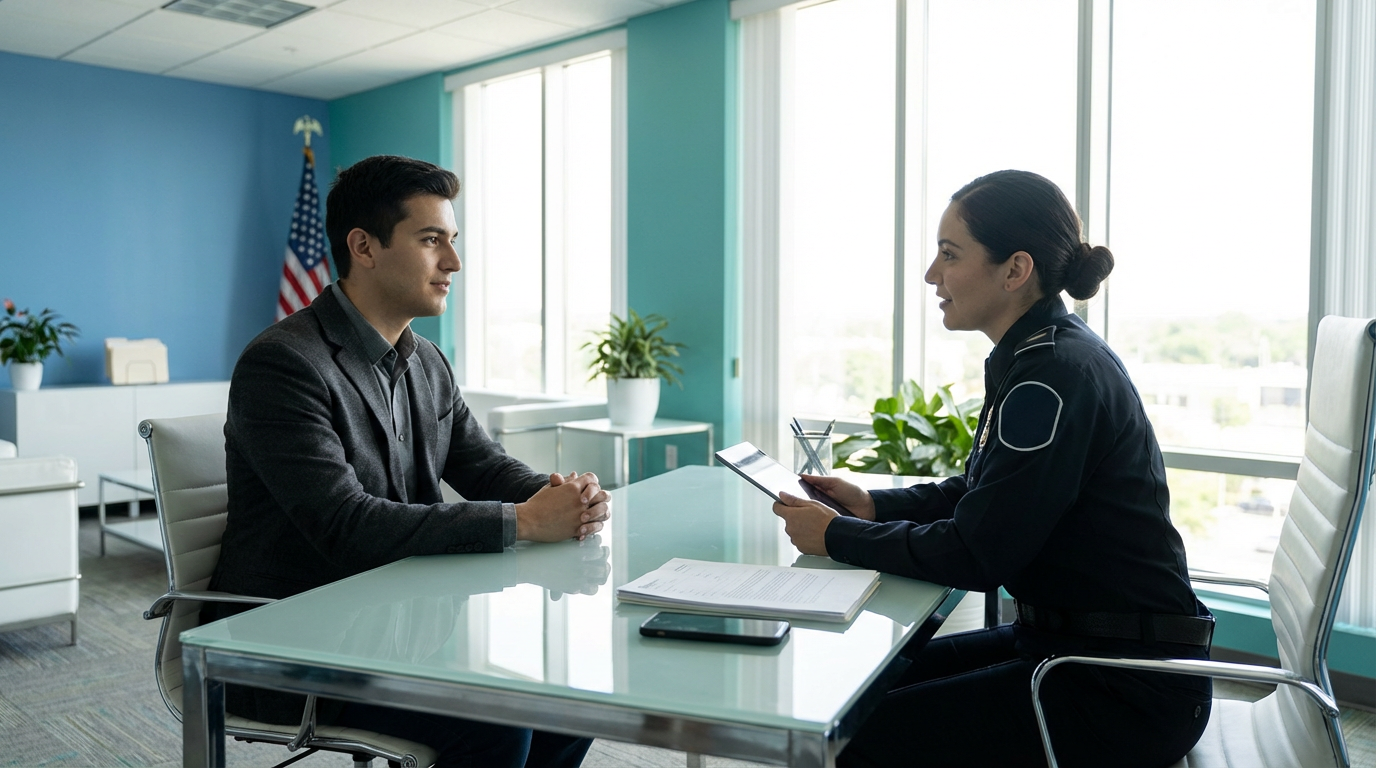
During visa interviews, consular officers may ask about specific social media content. They are trained to interpret digital signals that might indicate unauthorized employment or false representation of one's immigration intent. Being prepared to discuss social media content in an interview setting is crucial for applicants seeking to demonstrate full compliance with visa terms.
It's important to note that consular officers have discretion in how they weigh social media findings against an applicant's overall profile. This makes it essential for international students to maintain consistent and truthful online representations that align with their visa applications.
Red Flags: DHS Categories and Real-Life Examples
Understanding the DHS screening categories and the types of content that can raise red flags is essential for anyone navigating the U.S. immigration system. Categories such as violence, terrorism, and fraud are obvious areas of concern, but more subtle indicators like immigration intent violations can also impact application outcomes.
Examples of red flags include social media posts suggesting unauthorized work while on a student visa, content that contradicts stated travel plans, or associations with groups flagged in DHS databases. Each of these can result in delays or denials, emphasizing the need for careful self-auditing of online profiles.
Fraud and Misrepresentation
Fraud indicators are particularly scrutinized by USCIS. This includes inconsistencies between what is presented on platforms like LinkedIn and the information provided on visa applications. Publicly visible discrepancies in employment history or qualifications can trigger further investigation.
Maintaining transparency and consistency across all reported information is critical. Applicants should ensure that all content aligns with what has been officially documented in their visa applications and SEVIS records.
Platform-Specific Guidance and Cleanup Strategies
Each social media platform has its unique features and privacy settings that can either protect or expose users to deeper scrutiny. For international students, managing these settings is an important step in minimizing risks during the USCIS evaluation process.
On Instagram, for example, users should regularly review their tagged photos and location data. Adjusting privacy settings to limit who can see past stories and posts is also advisable. Similarly, on Facebook, users should revisit older posts and ensure that their timeline reflects their current visa status accurately.
Privacy Settings Best Practices
Effective use of privacy settings can significantly impact how much information is available to USCIS screeners. Users should ensure that their profiles are set to private where possible and that sensitive information is not shared publicly. This includes adjusting settings to limit who can see posts, friend lists, and tagged photos.
While privacy settings do not make a profile invisible, they can provide a level of protection by ensuring that only curated content is visible to external viewers. Regular audits of privacy settings should be part of any international student's digital hygiene routine.
Step-by-Step Actionable Checklist for Social Media Review
An organized approach to social media management can help international students identify and address potential red flags proactively. The following checklist provides a structured timeline for conducting a thorough social media audit.
Common Mistakes: What to Avoid on Social Media
Certain common errors can inadvertently draw negative attention during the USCIS screening process. One frequent mistake is posting content that contradicts official visa application information, such as employment claims or travel history.
Another common issue is engaging in public discussions or sharing content that can be perceived as controversial or indicative of unauthorized activities. It's crucial for international students to be mindful of how their social media activity could be interpreted in the context of their visa status.
Case Examples of Screening Impacts
Numerous case studies highlight the consequences of social media missteps. In one instance, an international student was denied entry after officers found posts that suggested unauthorized employment activity. Such examples underscore the importance of maintaining a compliant and consistent online presence.
Employers are also increasingly aware of these dynamics, often conducting their own social media checks to ensure compliance with visa requirements. This dual level of scrutiny necessitates a meticulous approach to social media management.
Conclusion: Navigating Social Media and Visa Compliance
As social media continues to play a pivotal role in visa applications, understanding and adapting to these changes is crucial for international students. While this guide provides a comprehensive overview, it is always advisable to consult with an experienced immigration attorney for personalized guidance.
Platforms like VisaClear offer AI-driven tools that can preemptively identify potential red flags, giving applicants a valuable edge in the screening process. By proactively managing your social media footprint, you can enhance your chances of a successful visa application and a smooth transition into the U.S. academic environment.