Expert F-1 visa interview tips for international students on social media screening.
Understanding USCIS Social Media Screening: What Every Visa Applicant Must Know
In today's digital age, your social media presence has become a critical factor in visa adjudication. The Department of Homeland Security has significantly expanded its social media screening programs since 2024, implementing more sophisticated algorithms and broader review protocols that affect millions of visa applicants annually. Understanding how this screening works—and what content triggers red flags—can mean the difference between approval and denial.
The USCIS Social Media Screening Enhancement Program now reviews publicly available social media content for all visa categories, not just those previously subject to enhanced vetting. This represents a fundamental shift in how immigration officers evaluate applications, with social media serving as both a verification tool and a security screening mechanism. Consular officers and USCIS adjudicators are trained to identify specific categories of concerning content that align with DHS keyword lists and behavioral indicators.
The DHS Screening Framework: Categories and Keywords
The Department of Homeland Security maintains a comprehensive framework for social media screening that includes multiple categories of concerning content. These categories range from obvious security threats to more nuanced indicators of potential immigration fraud or visa violations. Understanding these categories allows applicants to audit their own profiles before government screening occurs.
The primary DHS screening categories include violence and threats, terrorism-related content, fraud indicators, immigration intent violations, and public safety concerns. Each category contains specific keywords and contextual patterns that trigger either automated flags or manual review. While the complete keyword list is not publicly available, immigration compliance experts have identified common patterns through case analysis and FOIA requests.
Platform-Specific Screening Considerations
Different social media platforms present unique screening challenges and opportunities. Instagram and Facebook posts with geotags can verify or contradict claimed travel history, while LinkedIn profiles are scrutinized for employment history accuracy. Understanding how each platform's content appears to screeners helps applicants prioritize their cleanup efforts effectively.
How Social Media Screening Works in Visa Adjudication
The process of social media screening begins well before a visa interview, with consular officers and DHS agents reviewing an applicant's online presence to ascertain credibility and security risks. According to the USCIS Policy Manual, this method involves both automated tools and manual reviews, aiming to detect any inconsistencies or red flags that might suggest a visa violation or security threat.
Applicants are required to disclose all social media handles used in the past five years on the DS-160 form, as mandated by the new regulations. This disclosure subjects their profiles to a thorough review, ensuring that the information provided in their visa application aligns with their online activity. The DHS uses specific algorithms to flag content that contains keywords indicative of violence, fraud, or other concerning behaviors.
Factors Influencing Screening Outcomes
Screening outcomes are influenced by several factors, including the consistency of the applicant's digital footprint with their declared intent and background. Discrepancies in employment history, public statements that contradict visa intentions, and associations with flagged individuals or groups can result in adverse decisions. The DHS prioritizes content that poses direct threats to national security or public safety, but even benign posts can be misinterpreted if they align with certain keyword patterns.
VisaClear's advanced AI-powered tools can help applicants identify and rectify potential red flags before they become an issue during USCIS evaluations. By simulating the screening process, applicants can ensure their social media profiles accurately reflect their visa intentions and do not inadvertently signal a potential risk.
Timeline and Procedures for Social Media Screening
The timeline for social media screening varies depending on the visa category and the applicant's profile. For F-1 visa applicants, this process typically begins as soon as the DS-160 form is submitted and continues up to the consular interview. During this period, applicants should proactively audit their social media accounts to ensure compliance with USCIS guidelines.
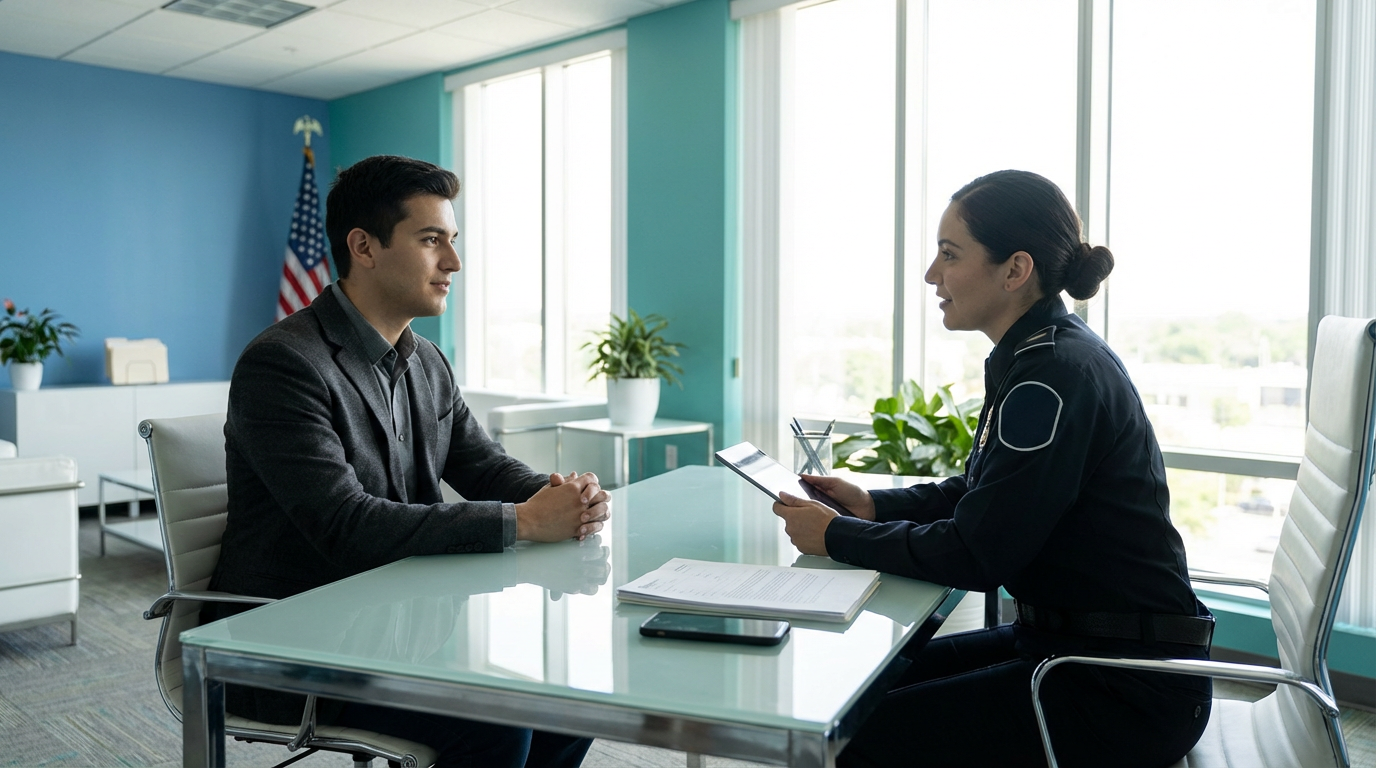
Understanding the procedural nuances of social media screening can provide applicants with a strategic advantage. By addressing potential issues early and leveraging technology like VisaClear, international students can navigate the screening process more effectively, reducing the risk of delays or denials. However, applicants should also be prepared for follow-up questions during their consular interviews, as officers may seek clarification on specific posts or activities.
Identifying and Avoiding Red Flags on Social Media
One of the most effective strategies for passing social media screening is to proactively identify and mitigate red flags on your profiles. Red flags can arise from a variety of sources, including past statements, associations, and even seemingly innocuous interactions. Understanding the specific types of content that DHS targets can help you avoid potential pitfalls.
Content that suggests unauthorized employment, such as posts indicating active work or freelance activities, can lead to visa denials or complications, especially for F-1 students on OPT. Similarly, expressing intentions to remain in the U.S. beyond the authorized period or engaging in discussions about illegal activities can trigger further scrutiny from immigration officials.
Examples of Common Red Flags
Common red flags include posts or comments that contradict the applicant's stated intentions, such as expressing a desire to immigrate permanently on a temporary visa. Additionally, content related to drug use, controversial political affiliations, or extremist views can lead to heightened scrutiny. It's crucial to maintain a consistent and professional online presence that aligns with your visa application and declared purpose of travel.
VisaClear's screening tools provide a comprehensive analysis of your social media activity, highlighting potential red flags based on DHS criteria. This allows you to address and amend concerning content before it reaches the eyes of immigration officials, providing peace of mind and improving your chances of a successful visa application.
Steps to Mitigate Red Flags
To effectively mitigate red flags, applicants should conduct a thorough audit of their social media profiles, focusing on consistency and compliance. This process involves reviewing past posts, deleting or privatizing content that could be misinterpreted, and ensuring that all publicly available information aligns with the details provided in the visa application.
It's advisable to update privacy settings to limit the visibility of personal content, particularly on platforms like Facebook and Instagram where older posts might inadvertently reveal sensitive information. Additionally, applicants should consider using anonymous or private handles for discussions on platforms like Reddit, ensuring that their participation in immigration-related threads does not compromise their application.
Platform-Specific Guidance for Social Media Cleanup
Each social media platform presents unique challenges and opportunities for F-1 visa applicants. Understanding how to manage your online presence across these platforms is crucial for avoiding pitfalls during the screening process. By tailoring your cleanup strategies to each platform, you can present a coherent and compliant digital footprint.
Facebook and Instagram
For platforms like Facebook and Instagram, a complete timeline review is essential. This involves deleting or hiding old posts that might conflict with your current visa intentions, such as those suggesting unauthorized work or extended stays. Utilize privacy settings to control who can view your content and consider archiving stories that might reveal travel history discrepancies.
Geotagged photos and check-ins can provide a clear timeline of your activities, which should align with your declared travel history. Consistency across these platforms is key, as inconsistencies between public statements and actual activities can raise red flags during the screening process.
LinkedIn and Professional Networks
LinkedIn profiles are often scrutinized for employment history accuracy, especially for F-1 students on OPT or STEM OPT extensions. Ensure that your listed work experiences align with your visa status and do not imply unauthorized employment. Regularly update your profile to reflect any changes in employment or educational pursuits, and verify that endorsements and connections do not contradict your application details.
VisaClear's tools can assist in cross-referencing your LinkedIn data with your visa application, identifying discrepancies that could lead to additional questioning during the interview process. Maintaining a professional and accurate profile is essential for mitigating potential red flags in this area.
Reddit and Anonymous Forums
Participation in forums like Reddit can be a double-edged sword for visa applicants. While these platforms provide valuable information and support, they also pose risks if discussions reveal sensitive information or conflicting intentions. Use anonymous profiles to engage in immigration-related threads, and avoid sharing personal details that could be linked back to your application.
Review your posting history for any comments or discussions that might suggest non-compliance with visa regulations. If necessary, delete or redact posts that could be misinterpreted during the screening process, ensuring that your online activity supports your application goals.
Actionable Checklist for F-1 Visa Applicants
To navigate the complexities of social media screening, F-1 visa applicants should follow a structured checklist to ensure compliance and preparedness. This checklist provides a step-by-step guide to auditing and optimizing your online presence before submitting your visa application.
Pre-Application Social Media Audit
Begin by conducting a comprehensive audit of all social media accounts, focusing on content visibility and consistency. Identify posts or interactions that could be perceived as red flags, such as those suggesting unauthorized work or permanent immigration intentions.
Application Submission and Interview Preparation
After submitting your DS-160 form, maintain an updated record of all social media handles used within the past five years. Prepare for potential questions during your consular interview by reviewing your online activity and ensuring it aligns with your visa goals.
Post-Interview Follow-Up and Compliance
Following your interview, continue monitoring your social media activity to ensure ongoing compliance with USCIS guidelines. Stay informed about any changes in immigration policies that might affect your online presence and visa status.
Common Mistakes to Avoid in Social Media Screening
Even well-prepared applicants can inadvertently make mistakes that complicate their visa process. Understanding common pitfalls and how to avoid them can significantly enhance your chances of a successful application. By learning from others' experiences, you can navigate the screening process more effectively.
Overlooking Privacy Settings
One of the most common mistakes is neglecting to update privacy settings, leaving sensitive content exposed to public view. This oversight can result in the unintended disclosure of information that contradicts your visa application. Regularly review and adjust your settings to ensure that only relevant and compliant content is visible to screeners.
Platforms like Facebook and Instagram offer extensive privacy controls that can help you manage content visibility. Utilize these features to limit access to personal posts and interactions, reducing the risk of unintentional disclosures during the screening process.
Inconsistent Online and Offline Information
Consistency between your online presence and the information provided in your visa application is crucial. Inconsistencies can arise from outdated profiles, inaccurate work histories, or conflicting statements. Regularly update your social media profiles to reflect current information and align with your declared visa intentions.
VisaClear's comprehensive screening tools can help identify discrepancies in your digital footprint, allowing you to address potential issues before they impact your application. By ensuring consistency, you enhance your credibility and reduce the likelihood of adverse screening outcomes.
Engaging in Sensitive Discussions
Participating in discussions about sensitive topics, such as immigration policy or visa regulations, can pose risks if not managed carefully. Use discretion when engaging in these conversations, and consider using anonymous profiles to protect your identity. Avoid making statements that could be misconstrued or linked back to your application.
Reddit and similar forums offer valuable insights, but they also require careful navigation to avoid unintended consequences. By maintaining anonymity and focusing on constructive discussions, you can benefit from these platforms without compromising your visa application.
Conclusion: Preparing for Success with VisaClear
In the evolving landscape of social media screening, F-1 visa applicants must take proactive measures to ensure compliance and accuracy. By understanding the intricacies of DHS screening protocols and tailoring your online presence accordingly, you can enhance your chances of a successful visa application. While this guide offers comprehensive insights and strategies, applicants should always consult with an immigration attorney for personalized advice.
VisaClear's AI-powered tools provide a valuable resource for international students seeking to optimize their social media profiles before USCIS review. By identifying and addressing potential red flags early, you can navigate the screening process with confidence and focus on your academic goals in the United States.
Remember, thorough preparation and strategic management of your digital footprint are key to a successful F-1 visa application. Use the resources available to you, including VisaClear, to ensure that your online presence supports rather than hinders your immigration journey.