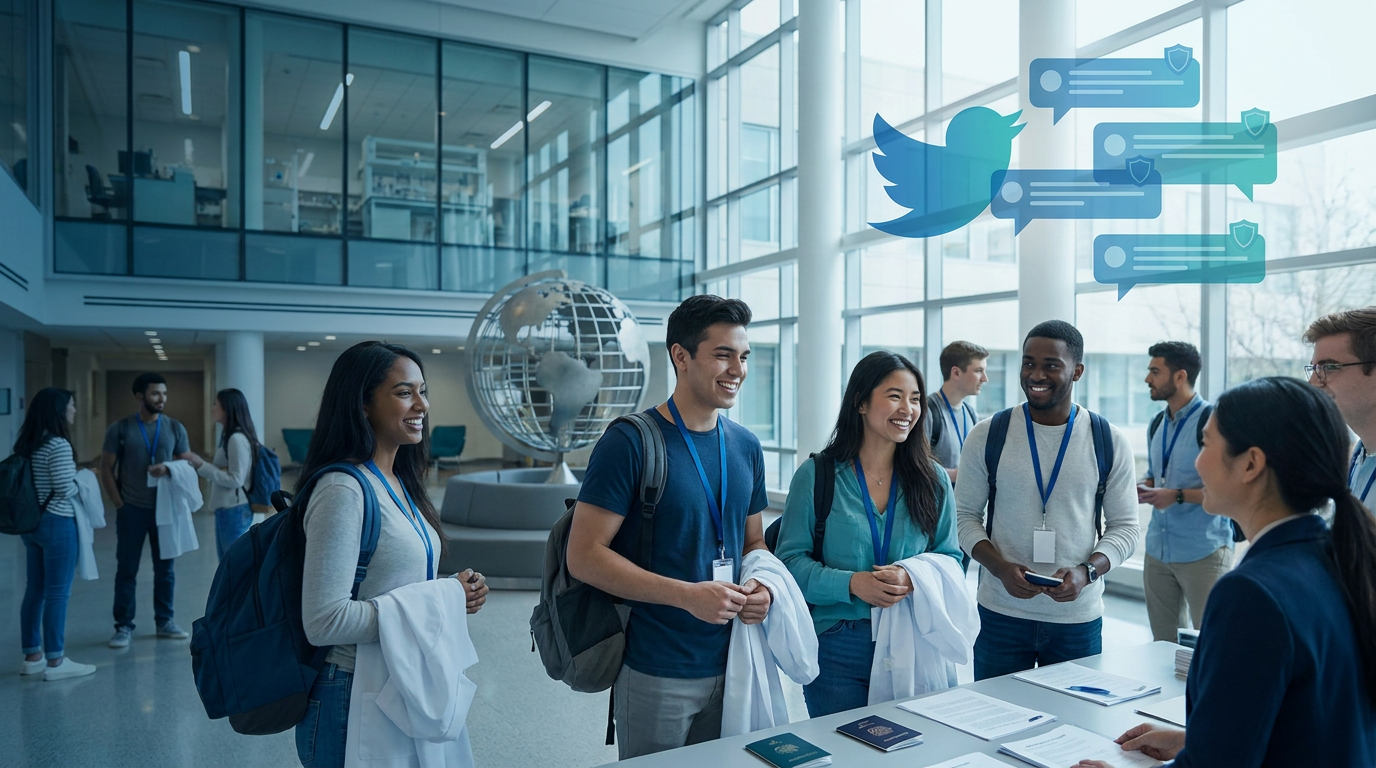
Ensure J-1 visa compliance with expert social media screening strategies.
Understanding USCIS Social Media Screening: What Every J-1 Visa Applicant Must Know
As a J-1 visa intern, your social media presence is more crucial than ever in determining the outcome of your visa application. Since 2024, the Department of Homeland Security has expanded its social media screening programs, employing advanced algorithms to scrutinize digital footprints. This shift impacts millions of visa applicants annually, highlighting the importance of understanding what content could trigger red flags, potentially jeopardizing your cultural exchange opportunity.
The USCIS Social Media Screening Enhancement Program now scrutinizes publicly available content across all visa categories, including the J-1 exchange visitor visa. Social media functions as both a verification tool and a security measure, with consular officers and USCIS adjudicators trained to spot concerning content categories that align with DHS keyword lists. For J-1 interns, maintaining a clean and compliant social media profile is essential for a successful application process.
The DHS Screening Framework: Categories and Keywords
The Department of Homeland Security employs a comprehensive framework for social media screening, covering categories from obvious security threats to subtle indicators of immigration fraud or visa violations. Awareness of these categories helps applicants audit their own profiles before government screening.
The primary DHS screening categories include violence and threats, terrorism-related content, fraud indicators, immigration intent violations, and public safety concerns. Each category contains specific keywords and contextual patterns that can trigger automated flags or necessitate manual review. Although the full keyword list isn't public, immigration experts have identified common patterns through case analyses and FOIA requests.
Platform-Specific Screening Considerations
Each social media platform presents unique challenges and opportunities for screening. YouTube, in particular, can be a double-edged sword for J-1 interns. Video content is scrutinized for themes that could contradict exchange goals or suggest non-compliance with visa terms.
Red Flags: What Content Triggers DHS Algorithms?
The Department of Homeland Security's screening algorithm identifies certain types of content as red flags, based on established categories. For J-1 visa applicants, understanding these can prevent accidental non-compliance and assist in maintaining a clean social media presence.
Violence, Threats, and Concerning Behavior
Content indicating violence or threats is a primary concern. This includes any posts, videos, or comments that could be interpreted as promoting or condoning violence. For example, a YouTube channel featuring aggressive or threatening language, even in jest, could lead to further scrutiny.
Applicants should ensure all content reflects the peaceful and educational nature of the cultural exchange program. Removing or privatizing questionable content is advisable to avoid misinterpretation during the review process.
Terrorism-Related Content and Associations
Associations or content that could be construed as terrorism-related are serious red flags. This includes following or engaging with profiles linked to extremist ideologies. Even seemingly innocuous interactions can lead to increased scrutiny under DHS guidelines.
J-1 interns should review their social media connections and engagement history, ensuring all interactions align with the peaceful objectives of their exchange program.
Fraud Indicators and Misrepresentation
Fraud indicators involve discrepancies between claimed activities and social media evidence. For instance, a J-1 intern claiming to participate in a specific academic project should ensure their online presence supports this assertion, avoiding any contradictory public posts.
Ensuring transparency and consistency across all platforms is crucial. Applicants should regularly audit their profiles to confirm alignment with their stated exchange goals and program activities.
Immigration Intent Violations
Content suggesting immigration intent violations can severely impact J-1 visa applications. Statements or videos indicating plans to remain in the U.S. beyond the program's scope can trigger negative outcomes.
Interns should avoid posting content that implies an intent to overstay or work outside the bounds of their visa. Clarifying any ambiguities in posts or videos can prevent misinterpretation by screeners.
Platform-Specific Guidance: YouTube Best Practices
For J-1 interns, YouTube visa compliance involves careful management of video content. Ensuring that all uploaded videos, comments, and interactions align with the objectives of the exchange program is critical.
Privacy Settings and Content Cleanup
Utilizing YouTube's privacy settings effectively can help control the visibility of past content that may not align with current program goals. Setting videos to private or unlisted can prevent unauthorized viewers from accessing potentially problematic content.
Interns should conduct regular audits of their YouTube channels, removing or editing videos that could be misconstrued by DHS screeners. This proactive approach minimizes the risk of red flags during the visa application process.
Consistency and Cultural Exchange Alignment
Ensuring that video content consistently reflects the cultural exchange and educational focus of the J-1 program is essential. Videos should highlight academic achievements, cultural experiences, and other exchange-related activities.
Applicants should avoid posting content that suggests commercial activities or employment, as this could conflict with the non-immigrant intent of the J-1 visa. Consistent messaging across all platforms supports a cohesive digital footprint aligned with exchange goals.
Actionable Checklist: Preparing Your Social Media for Screening
To ensure compliance with DHS screening protocols, J-1 interns can follow a step-by-step checklist to audit and refine their social media presence. This proactive approach can help prevent red flags before they impact the application process.
Common Mistakes to Avoid: Learning from Real Examples
Numerous J-1 visa applicants have faced complications due to social media missteps. Learning from these examples can help current applicants avoid similar pitfalls.
Overlooking Privacy Settings
Many applicants neglect to update privacy settings, leaving sensitive content exposed. For instance, a J-1 intern shared videos of commercial projects visible to the public, leading to questions about their compliance with the exchange program.
By adjusting privacy settings, applicants can control who sees their content, preventing unauthorized scrutiny by DHS screeners.
Inconsistent Social Media Narratives
Inconsistencies between claimed activities and social media presence can lead to scrutiny. An intern claiming academic focus while posting unrelated content faced delays due to perceived misrepresentation.
Maintaining a consistent narrative across all platforms is crucial. Ensuring that online activities align with exchange goals can prevent misunderstandings and negative consequences.
Conclusion: Navigating Social Media with Confidence
While the process of maintaining compliance with DHS social media screening may seem daunting, proactive management of your digital presence can significantly ease this burden. By understanding the screening framework and taking steps to align your online activities with J-1 visa objectives, you can navigate the application process with greater confidence.
For personalized guidance and advanced social media screening, consider leveraging tools like VisaClear. While this content provides comprehensive insights, consulting with an immigration attorney is recommended to ensure full compliance with all legal requirements.