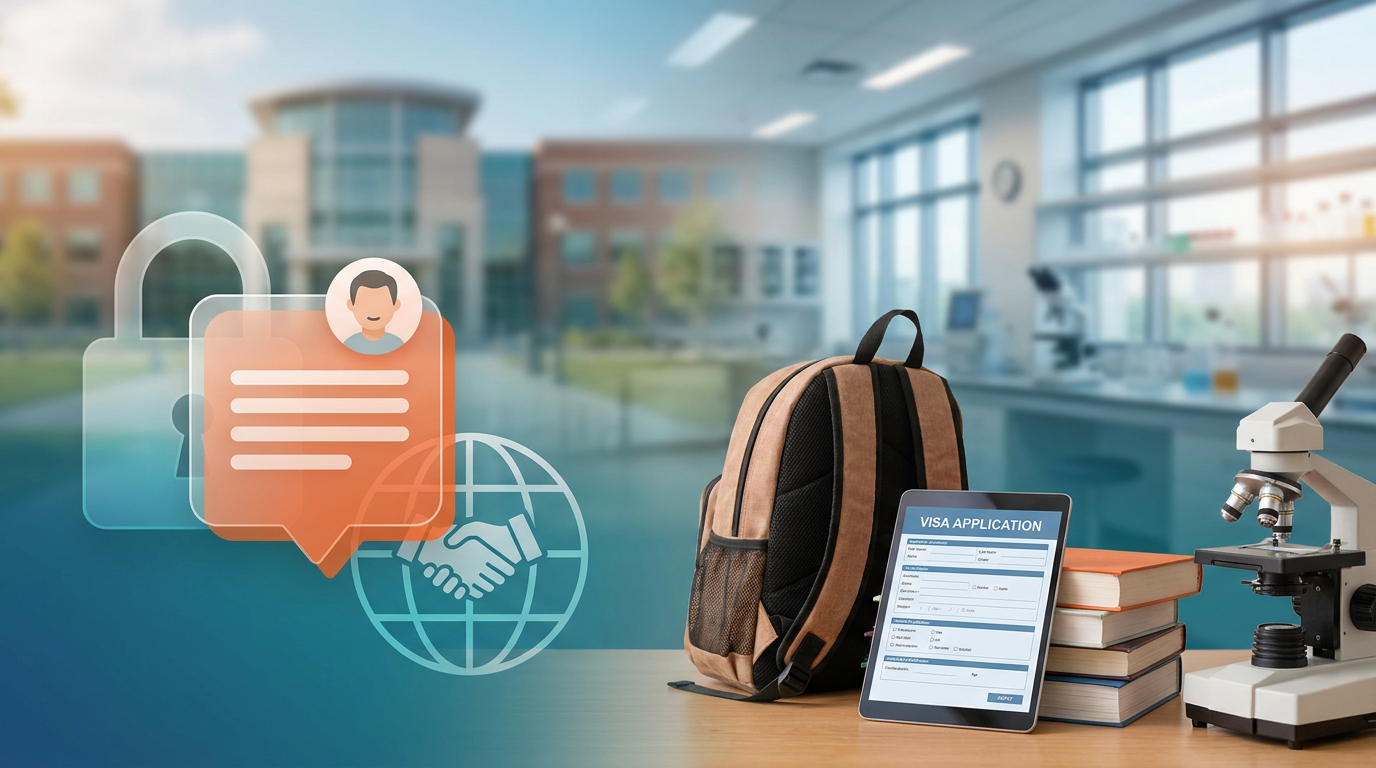
Master social media screening for J-1 visa success. Learn best practices.
Understanding the Urgency of Social Media Screening for J-1 Visa Applicants
In the realm of international exchange and scholarly pursuits, a J-1 visa represents more than just a travel document; it embodies the opportunity for cultural and academic growth. However, as the digital landscape evolves, so too does the intricate web of visa adjudication, particularly in the area of social media screening. For research scholars, understanding the urgency of social media screening is paramount, as even seemingly innocuous online interactions can significantly impact visa outcomes.
Since 2024, the Department of Homeland Security (DHS) has intensified its scrutiny of digital footprints, employing advanced algorithms and enhanced protocols to evaluate visa applications. This expanded scrutiny impacts millions of applicants annually, making it crucial for scholars to comprehend the nuances of this process. The USCIS Social Media Screening Enhancement Program mandates the review of publicly accessible social media content, which now serves as a critical tool for verifying applicant information and assessing potential security concerns.
How Social Media Screening Works: DHS and USCIS Processes
The social media screening process conducted by USCIS and DHS involves a comprehensive analysis of applicants' online presence. This includes the review of public profiles on platforms such as Facebook, Instagram, Twitter, and LinkedIn. The goal is to authenticate the information provided in visa applications and to detect any discrepancies or indications of potential threats. Consular officers are trained to identify red flags that align with DHS screening categories, including violence, terrorism-related content, and fraud indicators.
During the screening process, algorithms scan for specific keywords and patterns associated with concerning behavior. While the complete list of keywords is not publicly disclosed, immigration compliance experts have identified common themes through case studies and Freedom of Information Act (FOIA) requests. These insights help applicants prepare by ensuring their social media profiles accurately reflect their intentions and activities as research scholars.
The DHS Screening Framework: Categories and Keywords
The Department of Homeland Security categorizes concerning content into several key areas, each with its own set of keywords and indicators. Understanding these categories is essential for research scholars seeking a J-1 visa, as it enables them to proactively address potential issues before they arise. The primary categories include violence and threats, terrorism-related content, fraud indicators, and immigration intent violations.
For instance, posts or comments that could be perceived as endorsing violence or associating with known terrorist groups can trigger heightened scrutiny. Similarly, any online activity that suggests fraudulent intent or misrepresentation of facts, such as exaggerated academic credentials or inconsistent employment history, may result in additional questioning during the visa interview process.
Platform-Specific Screening Considerations
Each social media platform presents unique challenges and opportunities for visa applicants. For research scholars, understanding how different platforms are evaluated by USCIS can inform effective profile management and content curation strategies. Facebook, in particular, warrants careful attention due to its comprehensive timeline features and extensive personal data.
Identifying and Mitigating Red Flags: DHS Categories and Examples
To successfully navigate the social media screening process, research scholars must be adept at identifying and mitigating potential red flags. The DHS screening framework includes specific categories designed to flag content that may indicate visa violations or security threats. By understanding these categories, applicants can take proactive steps to ensure their online presence aligns with their stated intentions and program activities.
Common red flags include posts that exhibit violent rhetoric, associations with extremist groups, or fraudulent claims related to identity or academic accomplishments. Additionally, any content suggesting an intent to violate visa conditions, such as working without authorization, can significantly impact visa adjudication. Recognizing these pitfalls and addressing them before the screening process begins is crucial for maintaining compliance and securing a successful visa outcome.
Platform-Specific Guidance: Privacy Settings and Cleanup Strategies
Effective profile management involves more than just content curation; it also requires strategic use of privacy settings to control who can access your social media information. On Facebook, for example, adjusting your privacy settings to limit the visibility of past and future posts can reduce the risk of unintended exposure to potentially concerning content.
Additionally, conducting a thorough audit of your social media accounts allows you to identify and remove any posts or interactions that may raise red flags. This process is especially important for research scholars, as it ensures that their online presence accurately reflects their cultural exchange objectives and academic pursuits. Utilizing tools like VisaClear's AI-powered screening solutions can further assist in identifying potential issues before they are flagged by USCIS.
Step-by-Step Actionable Checklist for J-1 Visa Applicants
To aid research scholars in preparing for the J-1 visa interview process, we have developed a step-by-step checklist that outlines key actions to take when managing your social media presence. This checklist serves as a practical guide for ensuring compliance with DHS screening protocols and optimizing your online profile for successful visa adjudication.
Common Mistakes to Avoid with Social Media Screening
Despite best efforts, common mistakes can still occur during the social media screening process. For research scholars, avoiding these pitfalls is critical to ensuring a smooth visa application experience. One frequent error involves failing to regularly update privacy settings, leading to unintended exposure of sensitive content.
Additionally, inconsistencies between online profiles and visa application information can raise suspicions among consular officers. Ensuring that your social media presence aligns with the details provided in your DS-2019 form and other application materials is essential for maintaining credibility and avoiding unnecessary scrutiny.
Conclusion: Preparing for Success and Consulting Professionals
As research scholars navigate the complexities of the J-1 visa application process, understanding the importance of social media screening cannot be overstated. By taking proactive steps to manage online profiles and align social media content with cultural exchange objectives, applicants can greatly enhance their chances of a successful outcome.
While this guide provides valuable insights and strategies, it is important to remember that each applicant's situation is unique. Consulting with an immigration attorney is always recommended to address specific concerns and ensure compliance with all relevant regulations. Additionally, leveraging tools like VisaClear can provide added assurance by identifying potential issues before they impact your application.