Essential social media guidelines for K-1 visa applicants
Understanding USCIS Social Media Screening: What Every Visa Applicant Must Know
In today's digital age, your social media presence has become a critical factor in visa adjudication. The Department of Homeland Security has significantly expanded its social media screening programs since 2024, implementing more sophisticated algorithms and broader review protocols that affect millions of visa applicants annually. Understanding how this screening works—and what content triggers red flags—can mean the difference between approval and denial.
The USCIS Social Media Screening Enhancement Program now reviews publicly available social media content for all visa categories, not just those previously subject to enhanced vetting. This represents a fundamental shift in how immigration officers evaluate applications, with social media serving as both a verification tool and a security screening mechanism. Consular officers and USCIS adjudicators are trained to identify specific categories of concerning content that align with DHS keyword lists and behavioral indicators.
The DHS Screening Framework: Categories and Keywords
The Department of Homeland Security maintains a comprehensive framework for social media screening that includes multiple categories of concerning content. These categories range from obvious security threats to more nuanced indicators of potential immigration fraud or visa violations. Understanding these categories allows applicants to audit their own profiles before government screening occurs.
The primary DHS screening categories include violence and threats, terrorism-related content, fraud indicators, immigration intent violations, and public safety concerns. Each category contains specific keywords and contextual patterns that trigger either automated flags or manual review. While the complete keyword list is not publicly available, immigration compliance experts have identified common patterns through case analysis and FOIA requests.
Platform-Specific Screening Considerations
Different social media platforms present unique screening challenges and opportunities. Instagram and Facebook posts with geotags can verify or contradict claimed travel history, while LinkedIn profiles are scrutinized for employment history accuracy. Understanding how each platform's content appears to screeners helps applicants prioritize their cleanup efforts effectively.
K-1 Fiancé Visa: Social Media Evidence Requirements
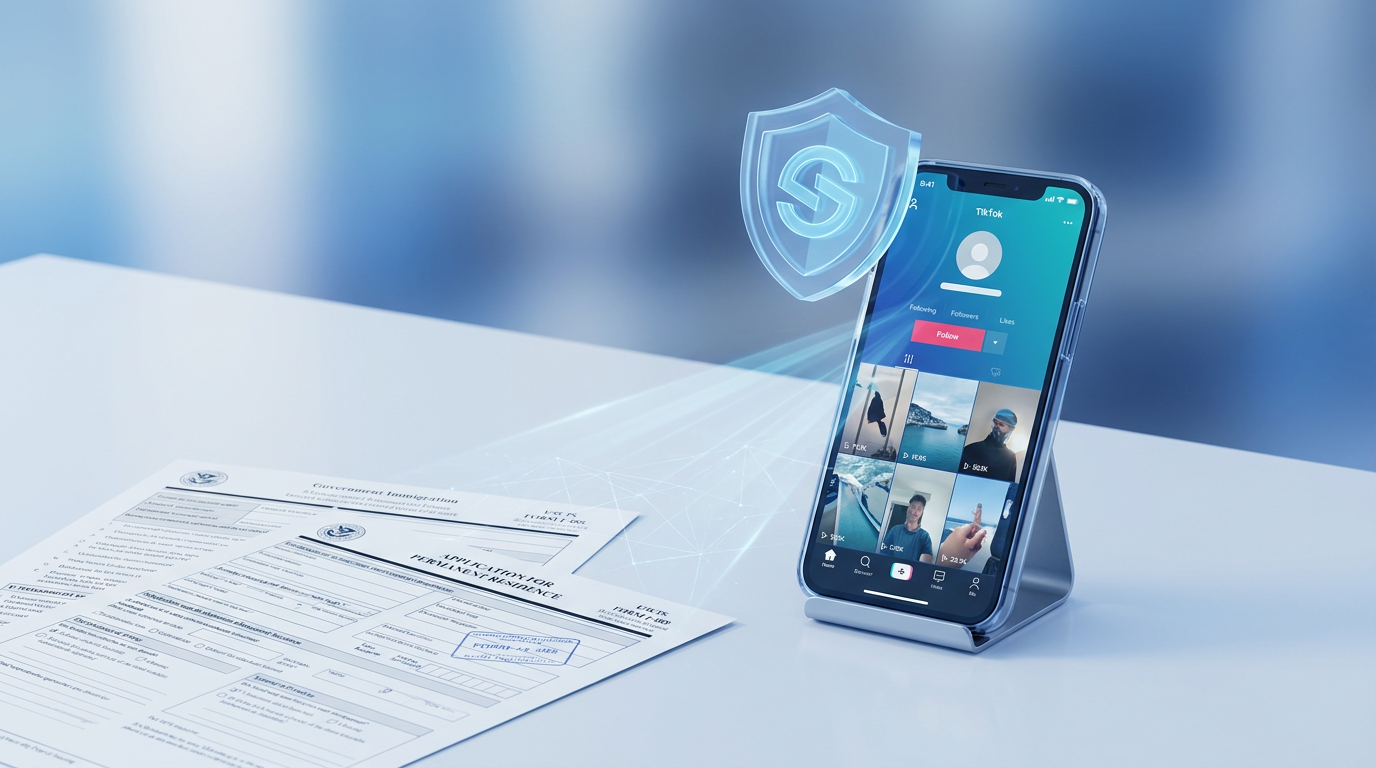
For those applying for a K-1 visa, proving the authenticity of your relationship through social media is increasingly important. USCIS uses platforms like TikTok to validate the timeline and genuineness of your relationship. A consistent and authentic online presence can serve as powerful relationship evidence, supporting your case during the adjudication process.
Officers review content such as photos, check-ins, and tagged posts to verify the relationship's history. Inconsistencies between your application and online activity can raise fraud concerns, potentially leading to delays or denials. It is crucial for both petitioners and beneficiaries to ensure their profiles accurately reflect their relationship story, avoiding content that might be misconstrued.
How Social Media Screening Works for K-1 Visas
The USCIS employs a structured process when conducting social media screenings for K-1 visa applicants. Initially, automated systems scan public profiles for content matching DHS screening categories. If red flags are detected, a more detailed manual review is conducted. This review considers the context of posts, the timeline of the relationship, and interactions between the petitioner and beneficiary.
Consular officers may also reference social media during the interview process, asking specific questions about your online interactions and presence. It is beneficial to be prepared to explain any content that might appear inconsistent or questionable. Being proactive by reviewing and, if necessary, curating your social media content can prevent misunderstandings and ensure a smoother visa process.
Red Flags and DHS Categories
Understanding what constitutes a red flag in the context of social media is essential for K-1 visa applicants. DHS categories such as immigration intent violations and fraud indicators are particularly relevant. Posts that suggest inconsistencies with your claimed relationship timeline, or that appear to contrive the nature of your relationship, can trigger further investigation.
Examples of red flags include posts with conflicting location data, lack of interaction between partners on social media, or content that contradicts statements made in your visa application. Avoiding these pitfalls requires a thorough review of your shared digital history, ensuring consistency and authenticity across all platforms.
Platform-Specific Guidance for TikTok
As a platform focused on short video content, TikTok poses unique challenges and opportunities for visa applicants. Videos showcasing your relationship can strengthen your case, provided they align with the narrative presented in your application. However, videos that might be interpreted as staged or inconsistent with other evidence can raise concerns.
Applicants should ensure their videos reflect genuine interactions and experiences. Consider setting your privacy settings to control who can view your content. This not only protects your privacy but also ensures that only the most relevant and accurate content is accessible to potential reviewers.
Privacy Settings and Cleanup Strategies
Optimizing your TikTok profile's privacy settings is a proactive step in the visa application process. Adjust settings to limit who can see your posts and interactions, particularly those that might be misunderstood. Regularly review your content, removing any videos or comments that could be misconstrued or that do not align with the information in your visa application.
Conducting a thorough cleanup of your social media profiles, including TikTok, involves more than just deleting problematic content. It requires a strategic approach to presenting a consistent and authentic narrative of your relationship. By leveraging tools like VisaClear's AI-powered screening tools, applicants can identify potential red flags before they become issues during the USCIS review process.
Preparing for Your Visa Interview: A Step-by-Step Checklist
Preparing for your visa interview involves more than gathering documentation; it requires a comprehensive review of your social media presence. Following a structured timeline can help ensure you are ready for any questions that might arise regarding your online activity.
Common Mistakes to Avoid in Social Media Screening
Many visa applicants make avoidable mistakes that complicate their application process. One common error is failing to review old posts that may no longer reflect the current nature of your relationship. Another is ignoring privacy settings, leaving potentially sensitive content visible to screeners.
Applicants should also avoid inconsistencies between what is presented in their application and what is visible on their social media profiles. Ensuring that the digital narrative aligns with the application narrative can prevent misunderstandings. By understanding these common pitfalls, applicants can better prepare their profiles and ensure a smoother adjudication process.
Conclusion: The Importance of Professional Guidance
In the complex world of immigration, particularly concerning the K-1 visa, understanding the role of social media is crucial. While this guide provides an overview of necessary preparations, it is important to consult with an immigration attorney for personalized advice. Professional guidance can help navigate the nuances of your specific situation, ensuring all aspects of your application are addressed.
For those looking to proactively manage their social media presence, VisaClear offers AI-powered tools that can help identify and mitigate potential red flags before they impact your application. By utilizing technology, applicants can approach their visa interviews with confidence, knowing they have taken all possible steps to present their case effectively.