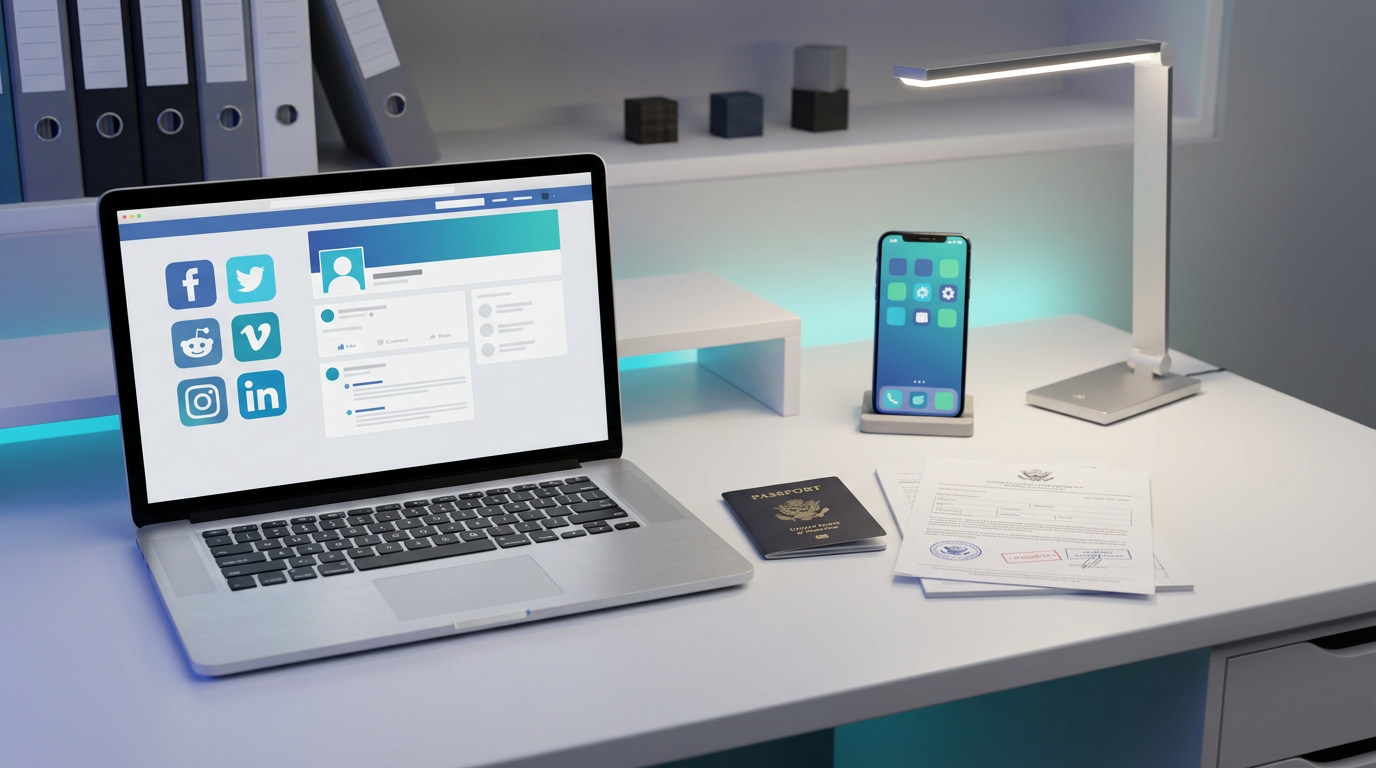
Learn about USCIS's social media evidence requests for K-1 visa RFEs.
Understanding USCIS Social Media Screening: What Every Visa Applicant Must Know
In today's digital age, your social media presence has become a critical factor in visa adjudication. The Department of Homeland Security has significantly expanded its social media screening programs since 2024, implementing more sophisticated algorithms and broader review protocols that affect millions of visa applicants annually. Understanding how this screening works—and what content triggers red flags—can mean the difference between approval and denial.
The USCIS Social Media Screening Enhancement Program now reviews publicly available social media content for all visa categories, not just those previously subject to enhanced vetting. This represents a fundamental shift in how immigration officers evaluate applications, with social media serving as both a verification tool and a security screening mechanism. Consular officers and USCIS adjudicators are trained to identify specific categories of concerning content that align with DHS keyword lists and behavioral indicators.
The DHS Screening Framework: Categories and Keywords
The Department of Homeland Security maintains a comprehensive framework for social media screening that includes multiple categories of concerning content. These categories range from obvious security threats to more nuanced indicators of potential immigration fraud or visa violations. Understanding these categories allows applicants to audit their own profiles before government screening occurs.
The primary DHS screening categories include violence and threats, terrorism-related content, fraud indicators, immigration intent violations, and public safety concerns. Each category contains specific keywords and contextual patterns that trigger either automated flags or manual review. While the complete keyword list is not publicly available, immigration compliance experts have identified common patterns through case analysis and FOIA requests.
Platform-Specific Screening Considerations
Different social media platforms present unique screening challenges and opportunities. Instagram and Facebook posts with geotags can verify or contradict claimed travel history, while LinkedIn profiles are scrutinized for employment history accuracy. Understanding how each platform's content appears to screeners helps applicants prioritize their cleanup efforts effectively.
How USCIS Social Media Screening Impacts K-1 Visa Applicants
The K-1 fiancé(e) visa process under INA § 101(a)(15)(K) places significant emphasis on the verification of a bona fide relationship. For applicants and their U.S. citizen partners, social media profiles provide a digital footprint that USCIS uses to assess the legitimacy of their engagement. The scrutiny of social media is intended to identify potential fraud indicators and verify the timeline and authenticity of the relationship as presented in the visa application.
USCIS officers closely examine platforms like Facebook to ensure that the relationship is not only documented but consistent with the information submitted in the application. Discrepancies between online content and official documents can lead to requests for further evidence (RFEs), delays, or even denials. Therefore, maintaining a consistent and truthful online presence is crucial for K-1 visa applicants.
Recent Policy Changes and Their Implications
Recent policy updates have expanded the scope and depth of social media reviews for K-1 visa applicants. Under these changes, USCIS may issue an RFE specifically requesting additional social media evidence if initial submissions are deemed insufficient or inconsistent. This reflects a broader trend towards using digital data as a primary source of evidence in immigration proceedings.
The implications of these policy changes are profound. Applicants must be proactive in preparing their digital personas well in advance of filing their applications. This includes a thorough review of old posts, ensuring privacy settings align with best practices, and possibly archiving content that could be misinterpreted. The process is not about hiding information but rather about presenting a coherent and truthful narrative that supports the visa application.
Practical Steps to Prepare for Social Media Scrutiny
To navigate the evolving landscape of social media screening, K-1 visa applicants should consider a comprehensive approach to managing their online presence. Here are practical steps to take:
Common Red Flags and How to Avoid Them
USCIS officers are trained to identify common red flags that may indicate a fraudulent or insincere relationship. Understanding these red flags can help applicants avoid unwarranted scrutiny and improve their chances of a smooth application process. Here are a few examples:
Inconsistent relationship timelines: Discrepancies between the dates and events listed on social media and those provided in the visa application can raise concerns. Ensure that your social media accounts accurately reflect your relationship history.
Lack of mutual engagement: A one-sided relationship display, where only one partner is actively posting about the relationship, may be questioned. Both partners should demonstrate mutual engagement and consistent interaction on social media.
Strategies for Mitigating Red Flags
To mitigate potential red flags, applicants should adopt strategies that reinforce the authenticity of their relationship. This includes:
By presenting a consistent and genuine portrayal of your relationship, you can reduce the likelihood of adverse outcomes during the USCIS review process.
Conclusion: Navigating the Path to Approval
As the USCIS continues to integrate social media screening into its adjudication processes, it is imperative for K-1 fiance visa applicants to remain vigilant and proactive. While the digital age presents new challenges, it also offers opportunities for applicants to substantiate their claims with compelling evidence of a genuine relationship.
By understanding the screening mechanisms, preemptively addressing potential red flags, and presenting a consistent online narrative, applicants can enhance their prospects of a successful visa application. However, given the complexity of immigration laws, it is always advisable to consult with an immigration attorney for personalized guidance.
For those seeking additional support, VisaClear offers AI-powered tools that assist in identifying potential issues before they reach the USCIS review stage. These resources can be invaluable in ensuring that your social media presence aligns with the expectations of immigration officers.