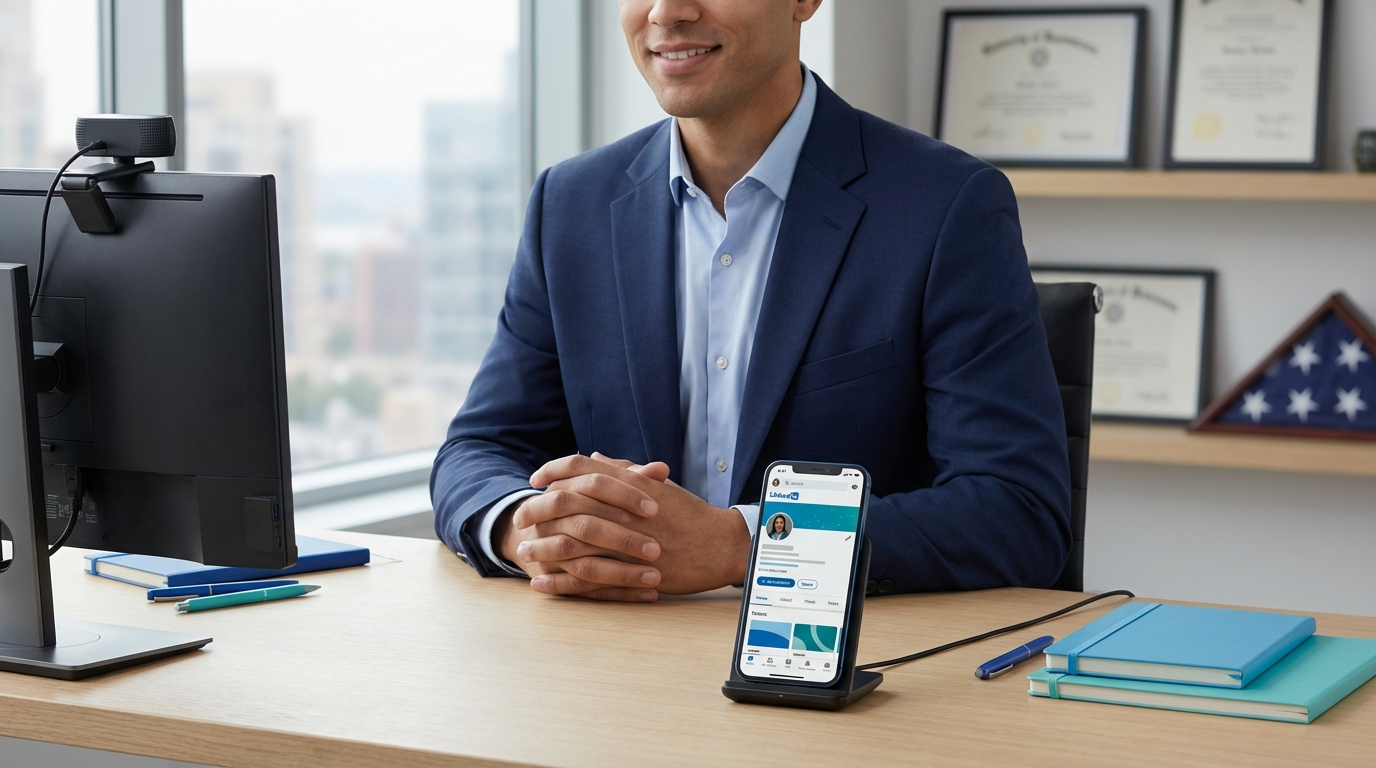
Prepare your LinkedIn for L-1 visa screening with these best practices.
Understanding USCIS Social Media Screening: What Every Visa Applicant Must Know
In today's digital age, your social media presence has become a critical factor in visa adjudication. The Department of Homeland Security has significantly expanded its social media screening programs since 2024, implementing more sophisticated algorithms and broader review protocols that affect millions of visa applicants annually. Understanding how this screening works—and what content triggers red flags—can mean the difference between approval and denial.
The USCIS Social Media Screening Enhancement Program now reviews publicly available social media content for all visa categories, not just those previously subject to enhanced vetting. This represents a fundamental shift in how immigration officers evaluate applications, with social media serving as both a verification tool and a security screening mechanism. Consular officers and USCIS adjudicators are trained to identify specific categories of concerning content that align with DHS keyword lists and behavioral indicators.
The DHS Screening Framework: Categories and Keywords
The Department of Homeland Security maintains a comprehensive framework for social media screening that includes multiple categories of concerning content. These categories range from obvious security threats to more nuanced indicators of potential immigration fraud or visa violations. Understanding these categories allows applicants to audit their own profiles before government screening occurs.
The primary DHS screening categories include violence and threats, terrorism-related content, fraud indicators, immigration intent violations, and public safety concerns. Each category contains specific keywords and contextual patterns that trigger either automated flags or manual review. While the complete keyword list is not publicly available, immigration compliance experts have identified common patterns through case analysis and FOIA requests.
Platform-Specific Screening Considerations
Different social media platforms present unique screening challenges and opportunities. Instagram and Facebook posts with geotags can verify or contradict claimed travel history, while LinkedIn profiles are scrutinized for employment history accuracy. Understanding how each platform's content appears to screeners helps applicants prioritize their cleanup efforts effectively.
How Social Media Screening Works: DHS and USCIS Process Details
Social media screening for L-1 visa applicants is an integral part of the USCIS adjudication process. The screening involves the analysis of public social media profiles to validate information provided in the application and to identify any potential security threats. The DHS has developed advanced algorithms capable of flagging keywords associated with violence, terrorism, and fraud indicators. These algorithms are continuously refined to improve accuracy and efficiency.
For intracompany transfer visas, USCIS officers specifically look at LinkedIn profiles to verify employment history and professional credentials. This scrutiny is particularly intense for L-1A visa applicants who claim executive or managerial roles, as their social media presence must reflect their stated responsibilities and achievements. Similarly, L-1B applicants should ensure that their profiles highlight their specialized knowledge, aligning with their application claims.
Timeline and Priority Considerations
The timing of your social media audit is crucial. Ideally, applicants should start reviewing and updating their profiles several months before submitting their visa application. This allows adequate time to address any discrepancies or remove any potentially concerning content. Prioritizing platforms like LinkedIn, where professional claims are most likely to be scrutinized, is essential. Regular updates and consistent engagement can demonstrate a genuine professional presence, which is invaluable during screening.
Utilizing tools like VisaClear can assist in pre-screening your social media presence. These AI-powered tools can detect potential red flags that align with DHS keyword categories, offering an opportunity to address issues before your application reaches the adjudicator's desk. This proactive approach can help mitigate risks associated with visa violations or content misrepresentation.
Identifying Red Flags: DHS Categories and Examples
Understanding what constitutes a red flag in the context of social media screening is crucial for L-1 visa applicants. The DHS categories of concern include violence, threats, and concerning behavior, which cover any content that could be interpreted as aggressive or inflammatory. Even humorous or sarcastic posts can be misinterpreted, so it's crucial to review past content critically.
Terrorism-related content and associations are particularly sensitive. Applicants must ensure that their profiles do not contain any content or connections that could be misconstrued as supportive of terrorist activities. This includes being cautious about what groups or pages you follow and ensuring that your connections do not inadvertently link you to concerning networks.
Examples of Fraud Indicators
Fraud indicators often arise from inconsistencies between the information presented in social media profiles and that provided in visa applications. For instance, discrepancies in employment dates or job titles can trigger further investigation. It is essential to ensure that your LinkedIn profile thoroughly and accurately reflects your professional history without exaggeration or omission.
Another area of concern is immigration intent violations. Posts that suggest an intention to overstay an L-1 visa or seek unauthorized employment can severely impact the outcome of an application. It is critical to avoid any content that could be interpreted as planning to remain in the U.S. beyond the visa's terms.
Platform-Specific Guidance: LinkedIn and Professional Networks
For L-1 visa applicants, LinkedIn is the most scrutinized platform due to its focus on professional connections and employment history. To ensure that your LinkedIn profile supports your visa application, it is essential to maintain accurate and up-to-date information. This includes job titles, employment dates, and responsibilities that align with the claims made in your visa application.
Privacy settings on LinkedIn should be adjusted to ensure that the most relevant and professional content is available to screeners. This means making sure your employment history is visible while potentially limiting access to less relevant sections. Additionally, participating in industry-specific groups and contributing valuable insights can enhance your profile's credibility as a multinational professional.
Best Practices for Social Media Cleanup
Conducting a thorough review of your social media profiles is a critical step in preparing for an L-1 visa interview. Begin by auditing your posts, comments, and connections to identify any content that might raise red flags. Removing or editing posts that contain humor or sarcasm that could be misinterpreted, as well as ensuring your professional claims are consistent across platforms, is vital.
Consider utilizing tools like VisaClear to automate this process. These tools can analyze your profiles against known DHS categories and alert you to potential issues. By addressing these proactively, you can significantly reduce the risk of encountering problems during the social media screening phase of your visa application.
Step-by-Step Actionable Checklist for L-1 Visa Social Media Preparation
Preparing your social media presence for an L-1 visa interview requires a strategic and thorough approach. Below is a step-by-step checklist to guide your preparation:
Common Mistakes and How to Avoid Them
One of the most common mistakes L-1 visa applicants make is failing to update their professional profiles to match their visa application. This can lead to discrepancies that are easily flagged during the social media screening process. Ensuring consistency between your application and your online presence is essential to avoid unnecessary complications.
Another frequent error is underestimating the importance of privacy settings. Many applicants leave sensitive content publicly accessible, which can lead to misinterpretations. Carefully managing who can see your posts and connections is an effective way to mitigate risk. Finally, overlooking the potential impact of past content is a simple yet critical oversight. Reviewing historical posts and removing any that might be considered inappropriate or misleading is a necessary step in the preparation process.
Specific Examples to Avoid
Avoid posting content that could be perceived as promoting violence or illegal activities, even if intended jokingly. Ensure your professional claims are verifiable and do not exaggerate your responsibilities or achievements. Similarly, avoid making public posts about your visa process that could suggest a misunderstanding of the visa terms or intent to misuse the visa.
Conclusion: Preparing for Success
In conclusion, preparing your LinkedIn visa presence for an L-1 visa interview is a multifaceted process that requires attention to detail and strategic planning. By understanding the DHS screening categories and utilizing tools like VisaClear, you can proactively address potential red flags and present a professional, consistent online presence.
While this guide provides a comprehensive overview of best practices, remember that each applicant's situation is unique. For tailored advice, consult with an immigration attorney who can provide legal guidance specific to your circumstances. By taking these steps, you increase your chances of a successful visa application process, ensuring your professional goals in the U.S. can be realized.