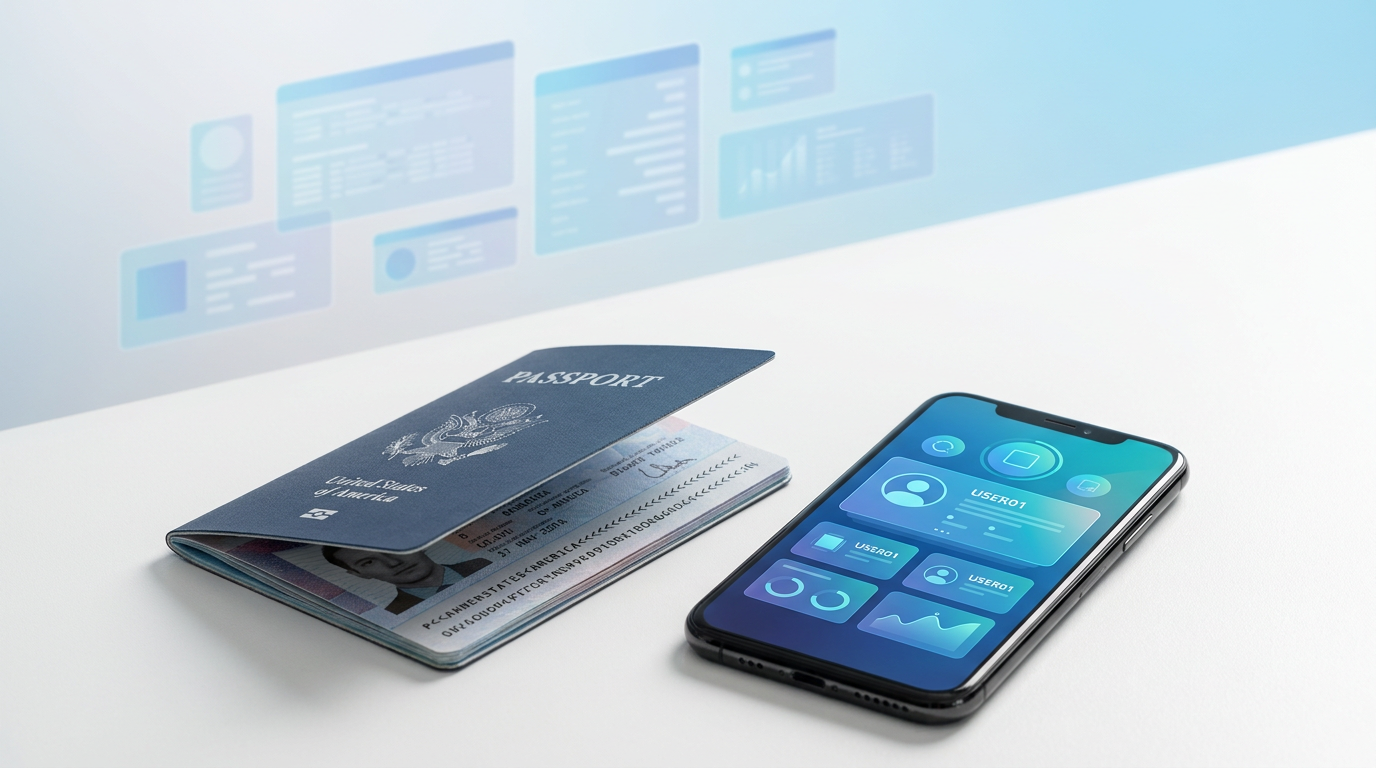
Discover how social media screening impacts your B-1/B-2 visa process.
Understanding the Importance of Social Media Screening at the Port of Entry
In the modern age of digital footprints, the scrutiny of social media profiles has become an integral part of the visa adjudication process, particularly for those entering the United States on a tourist visa or visitor visa. The Department of Homeland Security (DHS) has intensified its focus on social media screening, especially at the port of entry, to assess the credibility and intent of visa applicants. This scrutiny affects millions of travelers, including those on B-1/B-2 visas and those entering under the Visa Waiver Program (VWP) via ESTA, making it crucial for applicants to understand the potential implications on their travel plans.
As the DHS continues to refine its screening processes, the importance of having a clean and consistent online presence cannot be overstated. Failure to comply with social media norms and expectations can result in a visa denial or even a revocation at the port of entry. Particularly for business travelers on a LinkedIn visa or those with professional profiles, maintaining an accurate and honest representation of one’s career history is essential. The stakes are high, and the consequences of overlooking these factors can be severe.
How Social Media Screening Works
DHS and USCIS Screening Processes
The screening process employed by the DHS and the United States Citizenship and Immigration Services (USCIS) involves a comprehensive review of publicly available social media content to ensure compliance with immigration laws and policies. This includes automated systems that analyze profiles for specific keywords and patterns that may indicate security threats or immigration intent violations. Consular officers and Customs and Border Protection (CBP) agents are trained to identify discrepancies between an applicant’s stated purpose of travel and their online activities.
The USCIS Policy Manual outlines the agency's authority to conduct such screenings, highlighting categories of concern such as violence and threats, terrorism-related content, and fraud indicators. These categories guide the officers in determining whether additional scrutiny is warranted. The implications of this process are profound, and applicants must be vigilant in ensuring their social media content aligns with their visa application intentions.
The Role of Automated Screening Tools
Automated screening tools play a significant role in the initial evaluation of social media profiles. These tools use advanced algorithms to sift through massive amounts of data, identifying keywords and patterns that match predefined criteria. For example, the presence of content suggesting visa violations or immigration intent issues can trigger a manual review by a consular officer. The use of such technologies underscores the importance of platforms like VisaClear, which help applicants pre-screen their online presence, identifying and mitigating potential red flags before they reach the government's radar.
Identifying Red Flags in Social Media Content
DHS Screening Categories and Examples
The DHS has established several screening categories that guide the evaluation of social media content. These include violence, threats, and concerning behavior, terrorism-related content and associations, fraud indicators and misrepresentation, and immigration intent violations. Understanding these categories helps applicants self-audit their profiles, ensuring that they do not inadvertently trigger concerns during their application process.
For instance, posts suggesting planned visa violations, such as unauthorized employment or overstaying a visa, can result in immediate denials. Similarly, content that implies strong ties to the U.S., such as family connections or a lengthy employment history not disclosed in the application, can raise suspicions about the applicant’s true intent. These examples highlight the need for vigilance and transparency in one’s online presence.
Case Examples of Problematic Content
Consider the case of an applicant on a B-1 visa whose LinkedIn profile listed a full-time job in the U.S., contradicting the temporary business nature allowed under the B-1 limitations. This discrepancy led to further investigation, ultimately resulting in a visa denial. Another example involves an ESTA applicant whose social media posts included references to extended stays and unauthorized work, raising red flags about immigrant intent. These scenarios underline the importance of consistency and accuracy in all publicly available information.
Platform-Specific Guidance and Best Practices
Privacy Settings and Cleanup Strategies
Each social media platform presents unique challenges and opportunities for managing one's online presence. For example, LinkedIn profiles are often scrutinized for employment history accuracy, making it imperative for applicants to ensure their professional claims align with their visa applications. Adjusting privacy settings can help control who sees sensitive information, while regular profile audits can highlight areas needing correction or removal.
Recommended Tools and Technologies
Utilizing AI-powered tools like VisaClear can significantly enhance your ability to manage and refine your social media presence. These technologies analyze profiles across various platforms, identifying potential red flags based on government screening criteria. By proactively managing your online content, you can reduce the likelihood of encountering issues at the port of entry, ensuring a smoother visa application process.
Step-by-Step Checklist for Social Media Audit
Preparing Your Online Presence for Visa Screening
Conducting a thorough audit of your social media profiles is a proactive step every visa applicant should take. This checklist provides a timeline and actionable steps to ensure your online presence does not hinder your visa approval process:
Final Preparations and Documentation
In addition to online profile management, gather all necessary documentation that supports your visa application. This includes proof of intent to return to your home country, such as employment contracts, property ownership documents, and family commitments. Having this documentation readily available can help alleviate concerns during consular interviews or at the port of entry.
Common Mistakes to Avoid in Social Media Management
Specific Examples and Lessons Learned
Many visa applicants inadvertently jeopardize their applications by overlooking common social media pitfalls. One frequent mistake is failing to update privacy settings, resulting in the exposure of outdated or irrelevant content that contradicts the current application. Another common error is neglecting to align social media content with the stated purpose of travel, particularly for those on business travel visas like the B-1.
Learning from past cases, such as those involving discrepancies between LinkedIn employment history and visa applications, can prevent similar issues. Applicants must be diligent in ensuring all public information is accurate and reflects their current situation and intentions.
Strategies for Ongoing Social Media Management
Effective social media management requires ongoing attention and strategic planning. Regular audits, privacy setting adjustments, and content reviews should be part of every applicant’s routine. By staying proactive and informed about DHS and USCIS screening practices, individuals can minimize risks and enhance their chances of a successful visa application.
Conclusion and Final Recommendations
As the landscape of immigration continues to evolve, understanding the role of social media screening in the visa application process is more important than ever. Applicants must take proactive steps to manage their online presence, ensuring it aligns with their stated visa intentions and complies with DHS guidelines. While this guide provides valuable insights and strategies, it is crucial to consult with an immigration attorney for personalized legal advice and assistance.
For those seeking a streamlined approach to social media management, VisaClear offers AI-powered tools that can help identify and mitigate potential red flags before they become issues. By leveraging technology and expert guidance, applicants can navigate the complexities of the visa process with confidence and clarity.