Essential guide for international students to clean social media before F-1 to H-1B status change.
Understanding USCIS Social Media Screening: What Every Visa Applicant Must Know
In today's digital age, your social media presence has become a critical factor in visa adjudication. The Department of Homeland Security has significantly expanded its social media screening programs since 2024, implementing more sophisticated algorithms and broader review protocols that affect millions of visa applicants annually. Understanding how this screening works—and what content triggers red flags—can mean the difference between approval and denial.
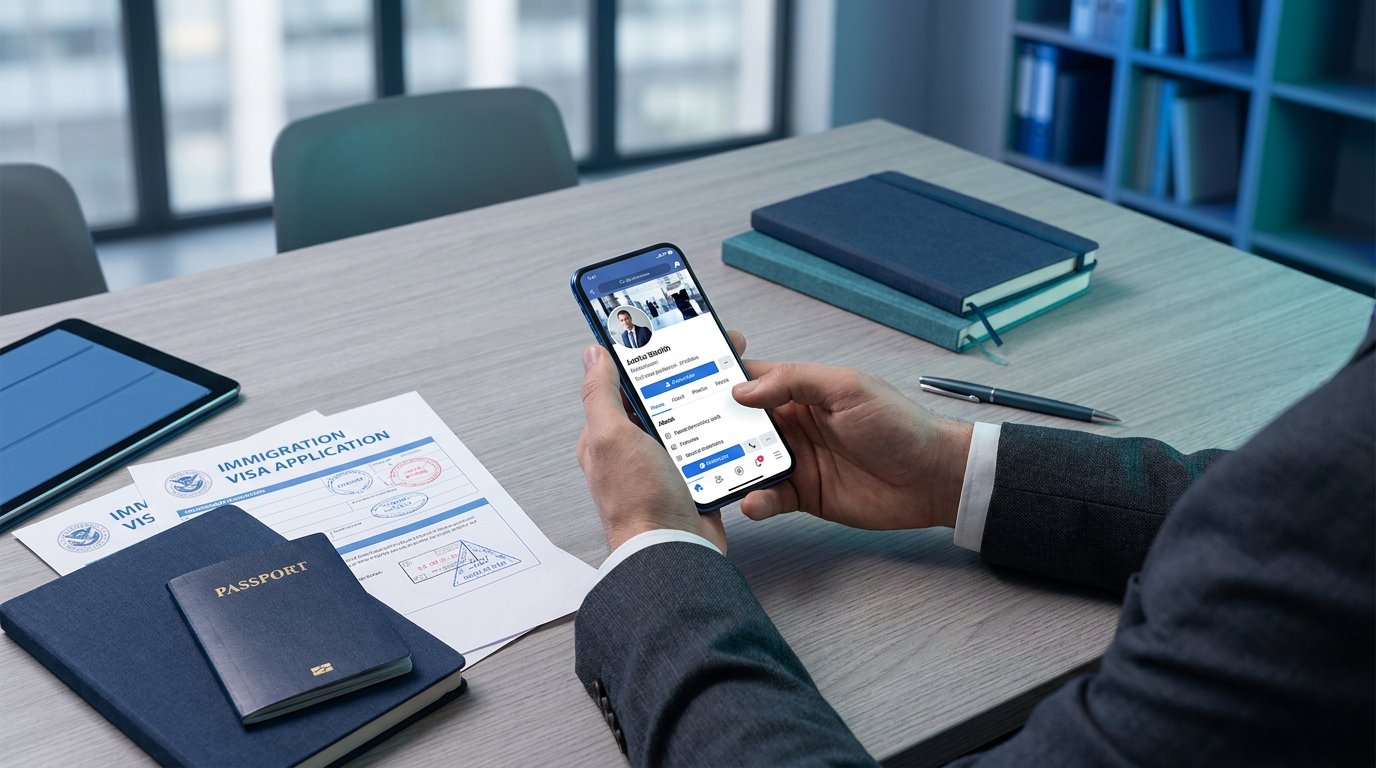
The USCIS Social Media Screening Enhancement Program now reviews publicly available social media content for all visa categories, not just those previously subject to enhanced vetting. This represents a fundamental shift in how immigration officers evaluate applications, with social media serving as both a verification tool and a security screening mechanism. Consular officers and USCIS adjudicators are trained to identify specific categories of concerning content that align with DHS keyword lists and behavioral indicators.
The DHS Screening Framework: Categories and Keywords
The Department of Homeland Security maintains a comprehensive framework for social media screening that includes multiple categories of concerning content. These categories range from obvious security threats to more nuanced indicators of potential immigration fraud or visa violations. Understanding these categories allows applicants to audit their own profiles before government screening occurs.
The primary DHS screening categories include violence and threats, terrorism-related content, fraud indicators, immigration intent violations, and public safety concerns. Each category contains specific keywords and contextual patterns that trigger either automated flags or manual review. While the complete keyword list is not publicly available, immigration compliance experts have identified common patterns through case analysis and FOIA requests.
Platform-Specific Screening Considerations
Different social media platforms present unique screening challenges and opportunities. Instagram and Facebook posts with geotags can verify or contradict claimed travel history, while LinkedIn profiles are scrutinized for employment history accuracy. Understanding how each platform's content appears to screeners helps applicants prioritize their cleanup efforts effectively.
Why Social Media Screening Matters Now More Than Ever
For international students transitioning from an F-1 visa to an H-1B visa, understanding the impact of social media screening is crucial. The rise in digital data collection by USCIS and DHS means your online activities could directly influence visa decisions. The stakes are high, especially with the December 15 public profile requirement for H-1B candidates, which mandates that applicants disclose their social media handles during the application process.
Given these developments, students must diligently manage their social media profiles to ensure compliance with immigration regulations. The OPT and STEM OPT extensions undergo additional scrutiny, making it imperative to present a consistent and lawful online presence. Missteps in this area can lead to severe consequences, including visa denial or revocation.
How the Screening Process Works
The social media screening process involves multiple layers of analysis. Initially, automated systems scan profiles for keywords and patterns identified by DHS as potential threats. These may include violence-related posts, terrorism associations, or fraudulent activities. If flagged, profiles undergo further manual review by trained immigration officers who assess the context and relevance of the content.
Consular officers routinely review social media prior to visa interviews, and the DS-160 form now requires disclosure of all social media handles used in the last five years. This proactive approach is intended to detect any discrepancies or concerning behavior that may indicate a risk to U.S. security or compliance with visa conditions.
Identifying and Mitigating Red Flags
Red flags in social media screening can result from a variety of content types. These include posts suggesting unauthorized work while on an F-1 visa, statements indicating immigration intent violations, or any affiliation with groups considered a threat to public safety. It's crucial to identify and address these red flags before they become an issue during the application process.
VisaClear offers AI-powered screening tools designed to help applicants identify potential red flags before USCIS does. By using advanced algorithms, VisaClear can simulate the screening process and provide actionable insights to ensure your social media profiles meet compliance standards.
Platform-Specific Guidance and Cleanup Strategies
Each social media platform requires a tailored approach to privacy settings and content management. On platforms like Reddit, where anonymity is prevalent, it's important to consider how anonymous posts might still connect back to your identity or intentions. Ensure that your public profiles are consistent with the information provided on visa applications and avoid controversial or questionable content that may lead to scrutiny.
Privacy Settings and Best Practices
Privacy settings play a crucial role in controlling who can view your content. On Facebook, utilize the "Limit Past Posts" feature to restrict old posts from public view. Similarly, on Instagram, consider switching to a private account and carefully manage follower requests. For professional platforms like LinkedIn, ensure that your employment history aligns with your SEVIS records and any claims made on your visa application.
It's advisable to regularly audit your social media presence by searching your name on various platforms and search engines to identify any public content that may require correction or removal. This proactive approach can significantly reduce the risk of unexpected issues during the visa process.
A Step-by-Step Checklist for Social Media Cleanup
To effectively manage your social media presence before transitioning from an F-1 visa to an H-1B visa, follow this comprehensive checklist:
Timeline for Social Media Cleanup
Begin the cleanup process at least six months before your anticipated change of status application. This allows ample time to identify and address any issues that may arise. Continue to monitor your profiles regularly, especially during the OPT and STEM OPT periods, to ensure ongoing compliance with USCIS guidelines.
Common Mistakes to Avoid
One of the most frequent mistakes international students make is underestimating the impact of seemingly harmless content. Posts made during the excitement of student life, such as comments about working "under the table" or humorous jabs at U.S. policies, can be interpreted as serious violations by immigration officers. Always consider the potential implications of your online interactions.
Another common pitfall is neglecting to update privacy settings after significant life changes, such as graduation or a change in visa status. Failing to do so can leave sensitive information exposed, increasing the risk of negative consequences during the visa application process.
Conclusion: Proactive Management and Expert Assistance
In the ever-evolving landscape of social media screening, proactive management of your online presence is essential for international students seeking a smooth transition from an F-1 visa to an H-1B visa. By following the strategies outlined in this guide and utilizing resources like VisaClear, you can significantly reduce the risk of adverse immigration outcomes.
As always, we recommend consulting with an immigration attorney to address any legal concerns specific to your situation. For a thorough pre-screening of your social media profiles, consider leveraging VisaClear's cutting-edge technology to identify and address potential issues before they arise.