Guide for international students on Facebook content risks affecting F-1 visa.
Understanding the Importance of Social Media Screening for F-1 Visa Holders
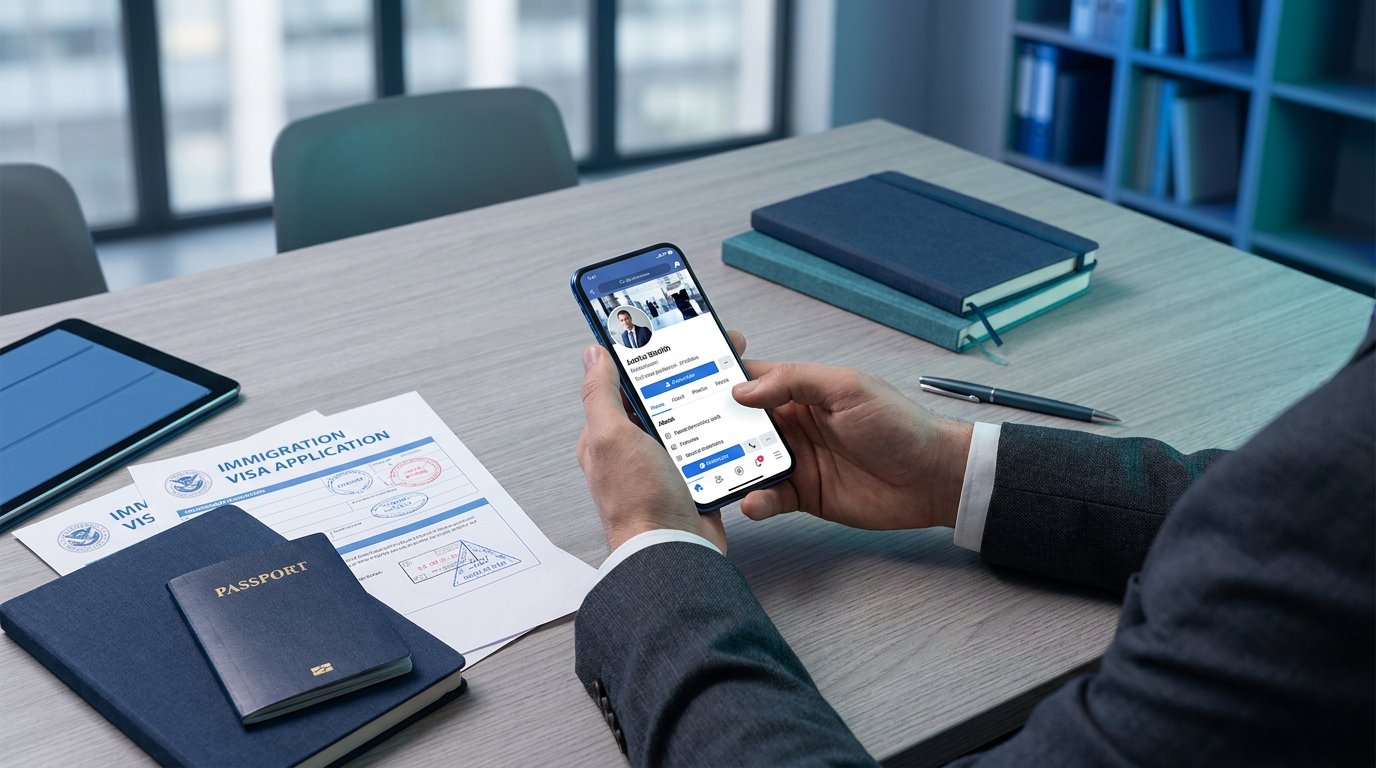
The digital age has drastically transformed the landscape of visa adjudication, with social media becoming a pivotal factor in the decision-making process. For international students holding an F-1 visa, the significance of maintaining a clean and compliant online presence cannot be overstated. The U.S. Department of Homeland Security has amplified its social media screening protocols, affecting how student visas are assessed. With the advent of sophisticated algorithms and comprehensive review processes, visa applicants must be acutely aware of how their online activities can influence their immigration status.
The USCIS Social Media Screening Enhancement Program has been extended to all visa categories, including the F-1 student visa, underlining a paradigm shift in application evaluations. Social media serves as a dual-purpose tool, functioning both as a verification mechanism and a security screening instrument. Consular officers, alongside USCIS adjudicators, are trained to detect specific categories of concerning content. These categories align with DHS keyword lists and behavioral indicators, thus necessitating a proactive approach from applicants.
The DHS Screening Process: Key Categories and Indicators
The Department of Homeland Security employs a nuanced framework for social media screening, comprising several categories of concerning content. These categories encompass a spectrum from overt security threats to subtle indicators of potential immigration fraud or visa violations. A thorough understanding of these categories is essential for applicants seeking to self-audit their profiles before governmental review.
The primary DHS screening categories include violence and threats, terrorism-related content, fraud indicators, immigration intent violations, and public safety concerns. These categories are populated with specific keywords and contextual patterns that prompt either automated alerts or manual scrutiny. Although the comprehensive keyword list remains undisclosed, immigration compliance experts have identified common patterns through case studies and public information requests.
Platform-Specific Considerations and Best Practices
Each social media platform presents unique challenges and opportunities for social media screening. Platforms like Facebook and Instagram offer insights into an applicant's travel history through geotags and posts, while LinkedIn is critical for verifying employment history. Understanding how each platform's content is perceived by screeners enables applicants to effectively prioritize their profile management efforts.
Identifying and Mitigating Red Flags in Social Media Content
Recognizing potential red flags in social media content is imperative for F-1 visa holders. The DHS categorizes these flags into several critical areas, each with specific implications for visa applicants. By understanding these categories, applicants can better manage their online presence and mitigate risks associated with their social network screening.
Violence and Threats: Posts or comments that suggest violent behavior or threats can be significant red flags. Even seemingly benign statements or jokes taken out of context can be misinterpreted during screening.
Terrorism-Related Content: Associations or endorsements of extremist ideologies, even if shared inadvertently, can lead to severe consequences. Applicants should be cautious about sharing or engaging with such content.
Fraud Indicators: Inconsistencies between online profiles and visa application details can trigger fraud flags. Ensuring that all information is accurate and consistent across platforms is crucial.
Immigration Intent Violations: Posts suggesting unauthorized work or plans to remain in the U.S. permanently can violate F-1 visa conditions. Students must avoid discussing such intentions openly.
Public Safety Concerns: Content that raises questions about an applicant's character or associations can affect visa decisions. Maintaining a respectful and lawful online presence is essential.
Checklist for Cleaning Up Your Facebook Profile
Implementing a strategic approach to managing your Facebook profile is essential for F-1 visa holders. The following checklist provides a step-by-step guide to ensure your online presence aligns with USCIS guidelines and avoids triggering red flags.
Common Mistakes to Avoid in Social Media Management
Despite the best intentions, F-1 visa holders often make mistakes in managing their social media presence. Avoiding these pitfalls can significantly enhance your prospects during social media screening.
Ignoring Privacy Settings: Many students overlook the importance of privacy settings, leaving their profiles vulnerable to scrutiny. Regularly updating and reviewing these settings is vital.
Inconsistent Information: Discrepancies between online profiles and official documents can raise fraud indicators. Ensure all information is coherent and corroborates your visa application.
Engaging with Controversial Content: Liking, sharing, or commenting on controversial topics can lead to unintended consequences. Exercise caution in your online interactions.
Neglecting Old Content: Failing to review and clean up old posts can result in outdated or inappropriate content being flagged. Regular audits are necessary to maintain a compliant profile.
Conclusion: Proactive Management and Expert Consultation
For F-1 visa holders, the stakes are high when it comes to social network screening. By proactively managing your social media presence and aligning it with DHS guidelines, you can significantly mitigate risks and enhance your visa approval prospects. However, given the complexities involved, it is advisable to consult with an immigration attorney to address specific concerns.
To further safeguard your application, consider using technology like VisaClear, which offers AI-powered screening tools to identify potential red flags before they reach USCIS. By taking these steps, you can navigate the intricate landscape of visa compliance with greater confidence and clarity.