Expert tips on navigating F-1 visa interviews with a focus on social media screening.
Understanding USCIS Social Media Screening: What Every Visa Applicant Must Know
In today's digital age, your social media presence has become a critical factor in visa adjudication. The Department of Homeland Security has significantly expanded its social media screening programs since 2024, implementing more sophisticated algorithms and broader review protocols that affect millions of visa applicants annually. Understanding how this screening works—and what content triggers red flags—can mean the difference between approval and denial.
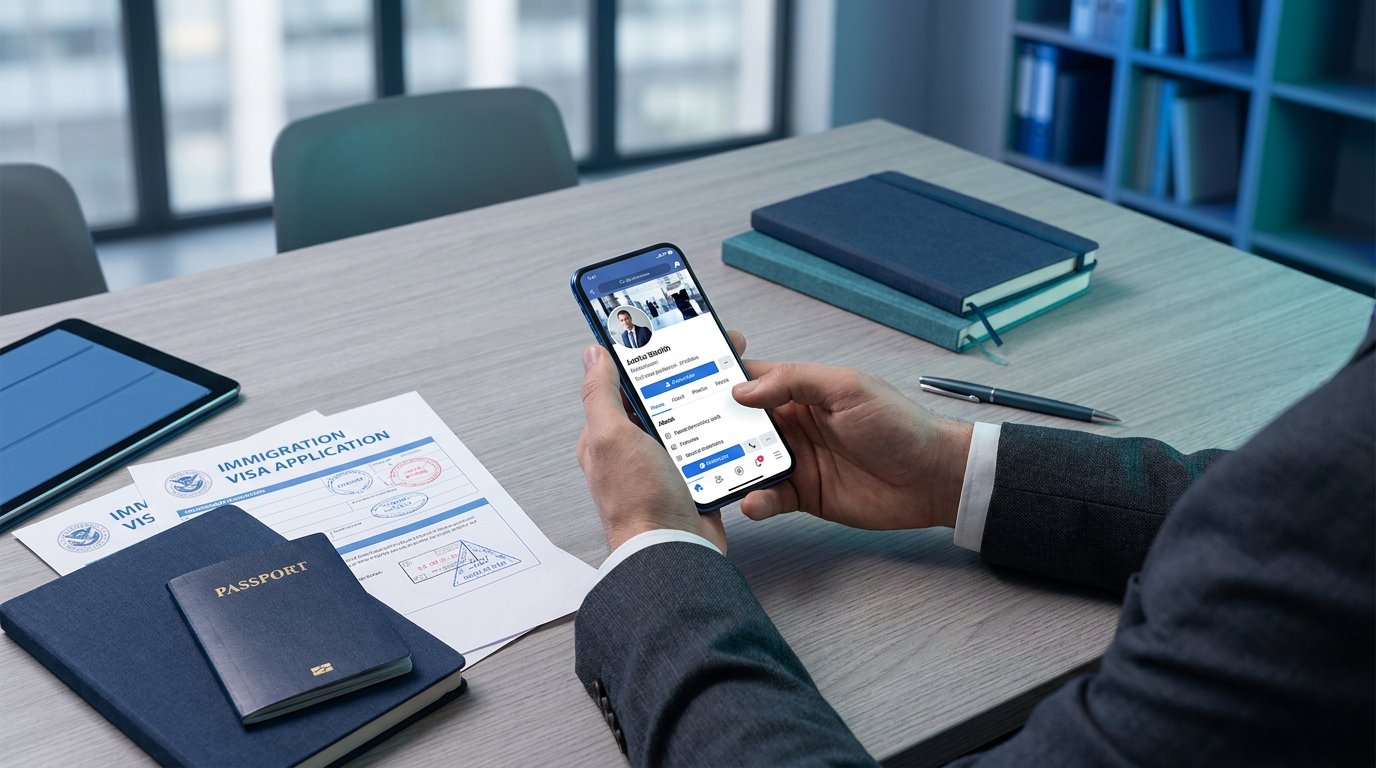
The USCIS Social Media Screening Enhancement Program now reviews publicly available social media content for all visa categories, not just those previously subject to enhanced vetting. This represents a fundamental shift in how immigration officers evaluate applications, with social media serving as both a verification tool and a security screening mechanism. Consular officers and USCIS adjudicators are trained to identify specific categories of concerning content that align with DHS keyword lists and behavioral indicators.
The DHS Screening Framework: Categories and Keywords
The Department of Homeland Security maintains a comprehensive framework for social media screening that includes multiple categories of concerning content. These categories range from obvious security threats to more nuanced indicators of potential immigration fraud or visa violations. Understanding these categories allows applicants to audit their own profiles before government screening occurs.
The primary DHS screening categories include violence and threats, terrorism-related content, fraud indicators, immigration intent violations, and public safety concerns. Each category contains specific keywords and contextual patterns that trigger either automated flags or manual review. While the complete keyword list is not publicly available, immigration compliance experts have identified common patterns through case analysis and FOIA requests.
Platform-Specific Screening Considerations
Different social media platforms present unique screening challenges and opportunities. Instagram and Facebook posts with geotags can verify or contradict claimed travel history, while LinkedIn profiles are scrutinized for employment history accuracy. Understanding how each platform's content appears to screeners helps applicants prioritize their cleanup efforts effectively.
How Social Media Screening Works for F-1 Visa Applicants
For international students applying for an F-1 visa, understanding the intricacies of social media screening is imperative. The USCIS and consular officers use the information gathered from platforms like TikTok to assess your eligibility and intentions. This scrutiny extends beyond just checking for compliance with student visa regulations; it also encompasses verifying your stated travel and study intentions.
As part of the DS-160 application process, F-1 visa applicants must disclose their social media handles. This requirement means that your student visa application isn't just evaluated on academic merit but also on your digital footprint. Consular officers are trained to look for inconsistencies between your application and your online activity, such as posts suggesting unauthorized work or OPT violations. The SEVIS system is also cross-referenced with public social media information to ensure coherence in your academic and visa status.
Red Flags in Social Media Content
The most significant red flags in social media content for F-1 visa applicants include violence, threats, and concerning behavior. Posts that can be interpreted as threatening or violent can lead to immediate disqualification. Additionally, any content related to terrorism or extremism is heavily scrutinized. Even casual mentions of illegal activities, including drug use, can raise significant concerns.
Other red flags include indications of fraud or misrepresentation, such as conflicting information about your academic background or employment history. Immigration intent violations, such as posts indicating plans to stay in the U.S. beyond your visa's terms, can also jeopardize your application. Finally, public safety issues and any content suggesting a risk to public order are critically assessed.
Implementation Timeline and Practical Implications
The integration of social media screening into the F-1 visa process has been gradual but comprehensive. Initially rolled out in 2020, the program has been enhanced yearly, with significant updates as of December 2023, mandating that all applicants maintain a public profile for specific platforms. This means that even private posts could potentially be considered during the screening process.
For applicants, this translates into a need for increased vigilance concerning their online presence. It is crucial to regularly audit your social media profiles, ensuring that your digital footprint aligns with the information provided in your visa application. Platforms like VisaClear offer AI-powered tools to pre-screen your social media content, identifying potential red flags before they reach USCIS.
Platform-Specific Guidance for TikTok and Others
Each social media platform presents unique challenges and opportunities for F-1 visa applicants. On TikTok, the focus is on the short video content you share, which can be quickly disseminated and scrutinized. It's essential to understand what types of content consular officers might flag and how to manage your privacy settings effectively.
Managing Privacy Settings
On TikTok, ensure that your account settings align with your intention to present a positive image. This means regularly reviewing your privacy settings and understanding who can view your content. While maintaining a public profile may be necessary, you can control the narrative by being strategic about what you post.
Consider limiting the visibility of older content or content that could be misinterpreted. Engage with features that allow you to curate your content presentation actively. This proactive approach helps in managing your digital footprint effectively, reducing the risk of negative interpretations.
Content Cleanup Strategies
Conducting a thorough audit of your social media content is essential. Remove or archive posts that could be considered inflammatory or misleading. Focus on creating content that highlights your academic and professional aspirations, aligning them with the goals stated in your F-1 visa application.
Ensure consistency across all platforms. If your LinkedIn profile lists certain academic achievements or employers, make sure these are not contradicted by casual posts on TikTok or Facebook. This consistency builds a reliable narrative for consular officers reviewing your application.
Step-by-Step Actionable Checklist for Visa Applicants
Preparing for your F-1 visa interview involves more than just academic readiness. Use this checklist to ensure your social media presence aligns with your application:
Following these steps can help mitigate risks associated with social media screening. Remember, the aim is to present a coherent and positive digital footprint that supports your international student aspirations.
Timeline for Social Media Preparation
Begin your social media audit at least six months before your visa interview. This timeframe allows for a comprehensive review and necessary adjustments. Regularly update your profiles to reflect your current academic and professional status, ensuring alignment with your visa intentions.
Utilize this period to engage with academic and cultural content that underscores your interest in studying in the U.S. This proactive approach can positively influence the perception of your social media presence.
Common Mistakes to Avoid in Social Media Management
One of the most common mistakes F-1 visa applicants make is underestimating the impact of their social media presence. Assumptions that older content is irrelevant can lead to overlooked red flags. Ensuring all content, past and present, supports your visa narrative is crucial.
Another mistake is ignoring the potential implications of casual remarks or humor that may be misinterpreted. What may seem like a harmless joke to you could be viewed as a serious concern by a consular officer. Maintaining a professional tone across platforms helps mitigate these risks.
Examples of Social Media Missteps
Consider the case of an applicant who posted about working in the U.S. on a tourist visa. This kind of content can immediately suggest visa violations and result in a rejection. Similarly, sharing content that seems to endorse unlawful activities can raise red flags.
These examples highlight the importance of careful content management and awareness of how your online behavior reflects on your visa application. Ensuring that your digital behavior aligns with your stated intentions is critical to a successful application.
Conclusion: Navigating Social Media Screening with Confidence
In conclusion, the integration of social media screening into the F-1 visa process underscores the need for international students to be proactive about their digital presence. By understanding the USCIS screening framework and implementing strategic content management, applicants can significantly improve their chances of a successful visa application.
While this guide provides valuable insights, it's essential to consult with an immigration attorney for personalized advice. Additionally, leveraging tools like VisaClear can help identify potential social media red flags before they impact your visa application. With careful preparation and strategic management, you can navigate the social media screening process with confidence.