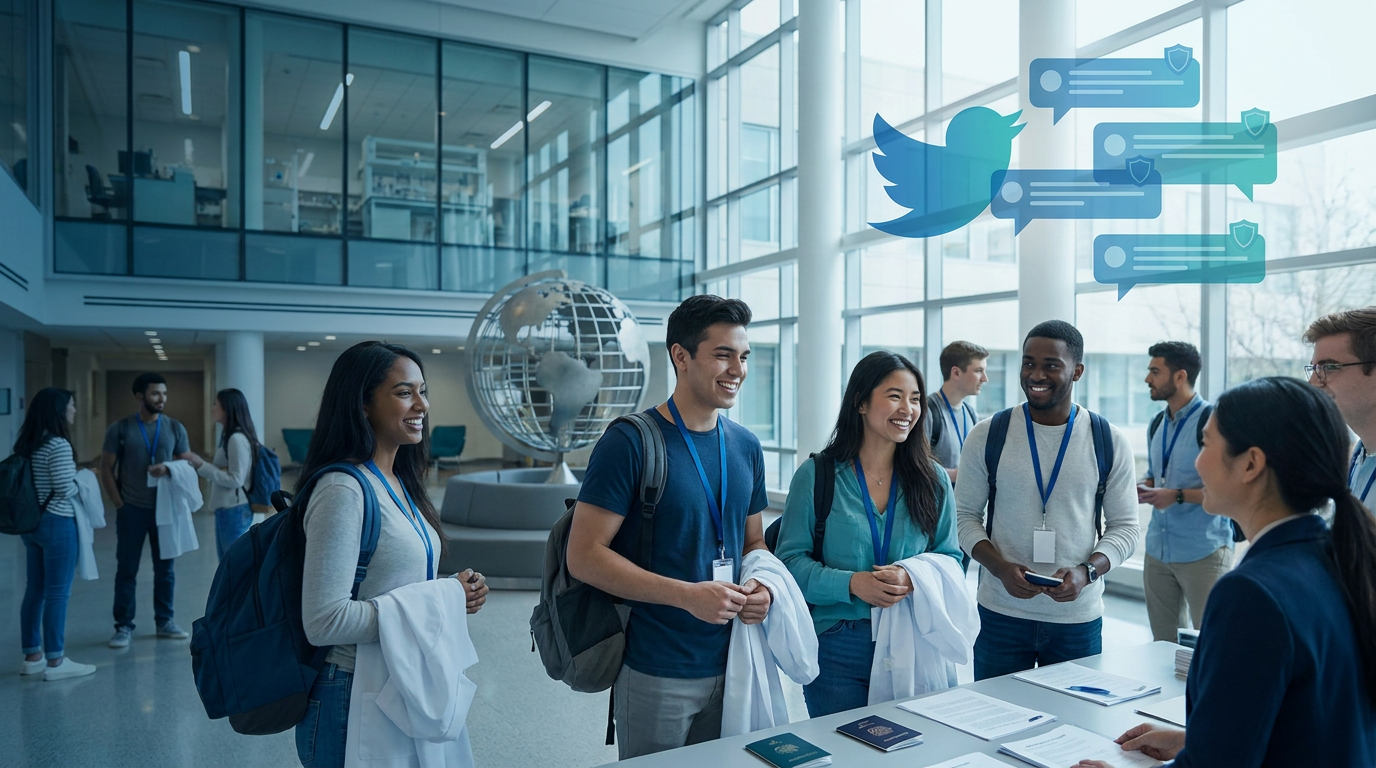
Learn about J-1 visa social media policies with a focus on Instagram screening.
Understanding USCIS Social Media Screening: What Every Visa Applicant Must Know
In today's digital age, your social media presence has become a critical factor in visa adjudication. The Department of Homeland Security has significantly expanded its social media screening programs since 2024, implementing more sophisticated algorithms and broader review protocols that affect millions of visa applicants annually. Understanding how this screening works—and what content triggers red flags—can mean the difference between approval and denial.
The USCIS Social Media Screening Enhancement Program now reviews publicly available social media content for all visa categories, not just those previously subject to enhanced vetting. This represents a fundamental shift in how immigration officers evaluate applications, with social media serving as both a verification tool and a security screening mechanism. Consular officers and USCIS adjudicators are trained to identify specific categories of concerning content that align with DHS keyword lists and behavioral indicators.
The DHS Screening Framework: Categories and Keywords
The Department of Homeland Security maintains a comprehensive framework for social media screening that includes multiple categories of concerning content. These categories range from obvious security threats to more nuanced indicators of potential immigration fraud or visa violations. Understanding these categories allows applicants to audit their own profiles before government screening occurs.
The primary DHS screening categories include violence and threats, terrorism-related content, fraud indicators, immigration intent violations, and public safety concerns. Each category contains specific keywords and contextual patterns that trigger either automated flags or manual review. While the complete keyword list is not publicly available, immigration compliance experts have identified common patterns through case analysis and FOIA requests.
Platform-Specific Screening Considerations
Different social media platforms present unique screening challenges and opportunities. Instagram and Facebook posts with geotags can verify or contradict claimed travel history, while LinkedIn profiles are scrutinized for employment history accuracy. Understanding how each platform's content appears to screeners helps applicants prioritize their cleanup efforts effectively.
The Importance of Social Media Screening for J-1 Visa Applicants
The J-1 visa program, designated under the Immigration and Nationality Act, is a popular choice for exchange visitors including au pairs, students, and research scholars. As part of the cultural exchange initiative, participants are expected to adhere to specific program requirements and uphold the intent of cultural enrichment. With the advent of social media screening, the stakes are higher for J-1 applicants, as their online presence must align with their documented activities and program goals.
Sponsor organizations may conduct their own social media audits to ensure compliance with program standards. This means that beyond government scrutiny, applicants should be mindful of how their social media photos and content reflect their engagement in the program. Discrepancies between online activities and DS-2019 program activities can lead to complications or even visa denials.
Screening Processes and Implementation
For J-1 visa applicants, the social media screening process involves a detailed analysis of publicly available content to verify the authenticity of the applicant's stated intentions and program participation. This process includes a review of both current and past posts, examining factors such as location tags, event participation, and general behavior online that should resonate with the program's cultural exchange goals.
Consular officers utilize these screenings as part of their broader evaluation during visa interviews. Any online evidence that suggests a violation of the two-year home residency requirement or other program terms can prompt further questioning or denial. Therefore, maintaining a clean and consistent social media profile that accurately reflects one's participation in J-1 activities is crucial.
Key Considerations for Instagram
With Instagram being a visual-centric platform, J-1 applicants should be particularly cautious about the images and stories they share. The platform's emphasis on photos and visual content makes it a focal point for screeners looking to validate an applicant's cultural exchange experiences. Applicants should ensure that their Instagram feeds primarily highlight program-related activities and interactions that demonstrate cultural learning and exchange.
Privacy settings on Instagram can help control the visibility of posts. However, applicants should remember that anything shared publicly is subject to scrutiny. Regularly reviewing and curating content to ensure it aligns with the J-1 visa objectives can prevent potential red flags from arising during the screening process.
Identifying and Avoiding Red Flags in Social Media Content
Understanding what constitutes a red flag in social media screening is essential for J-1 visa applicants. The DHS has outlined several categories that, if triggered, could complicate the visa process. These include posts or associations linked to violence, terrorism, or any form of fraud or misrepresentation. Additionally, posts that contradict the cultural exchange intent of the J-1 visa can also raise concerns.
For instance, content that suggests prolonged stays in the U.S. without returning home can be interpreted as a violation of the two-year home residency requirement. Similarly, posts that highlight activities inconsistent with the applicant's stated program objectives can trigger further investigation. As such, applicants should conduct thorough audits of their social media profiles, removing or privatizing content that could be misinterpreted.
Case Examples of Common Mistakes
Consider the case of an exchange visitor who posted frequently about working in the U.S. outside the scope of their J-1 program. This sparked concerns of unauthorized employment, leading to a deeper investigation and eventual visa denial. Similarly, posts showing repeated travel to locations not associated with the cultural exchange program raised questions about the visitor's compliance with program terms.
Another common mistake involves sharing content that suggests a lack of cultural exchange, such as minimal interactions with the host community or absence from scheduled program activities. Such content can undermine the applicant’s stated intentions and result in negative assessments by consular officers.
Practical Steps for J-1 Visa Applicants to Prepare
To navigate the complexities of social media screening, J-1 visa applicants can follow a structured approach to ensure their profiles reflect their program commitments accurately. Here is a step-by-step checklist to guide applicants:
By following these steps, applicants can better align their social media presence with their J-1 visa intentions, reducing the likelihood of encountering issues during the screening process.
Conclusion: Navigating Social Media Screening with Confidence
As social media becomes an increasingly integral part of the visa adjudication process, J-1 applicants must proactively manage their online presence. By understanding the screening criteria and taking steps to curate profiles that align with program goals, applicants can enhance their chances of a successful visa application. It's important to remain vigilant about what content is shared publicly and to utilize resources like VisaClear for thorough profile audits.
While this guide provides a comprehensive overview of social media screening considerations, it's crucial for applicants to consult with an immigration attorney for personalized advice and to ensure compliance with all visa requirements. By doing so, they can confidently navigate the complexities of the application process and focus on the enriching experience that the J-1 visa offers.
To learn more about how VisaClear can assist in identifying potential red flags before your application review, visit our website and explore our AI-powered screening tools designed to streamline your visa preparation process.