Guide for OPT Candidates on Social Media Screening for 2026.
Understanding USCIS Social Media Screening: What Every Visa Applicant Must Know
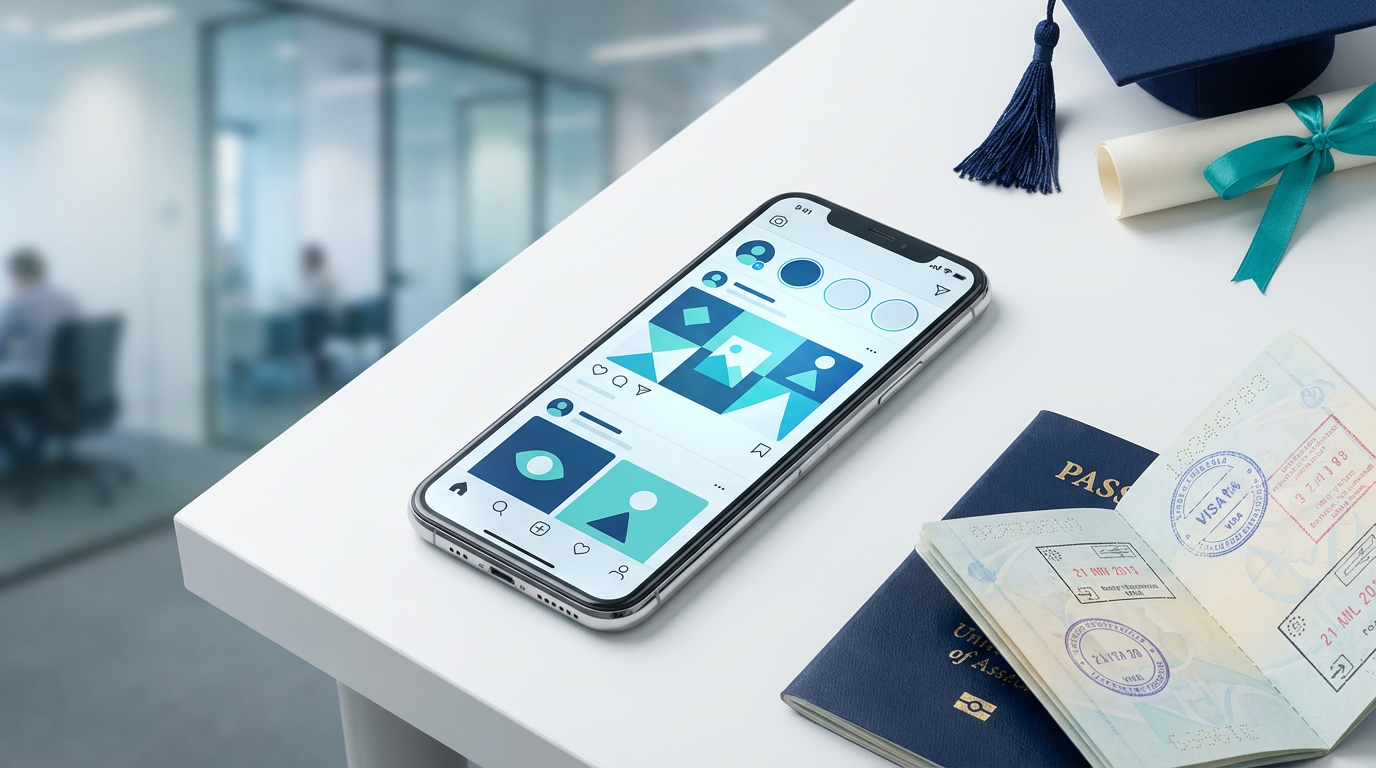
In today's digital age, your social media presence has become a critical factor in visa adjudication. The Department of Homeland Security has significantly expanded its social media screening programs since 2024, implementing more sophisticated algorithms and broader review protocols that affect millions of visa applicants annually. Understanding how this screening works—and what content triggers red flags—can mean the difference between approval and denial.
The USCIS Social Media Screening Enhancement Program now reviews publicly available social media content for all visa categories, not just those previously subject to enhanced vetting. This represents a fundamental shift in how immigration officers evaluate applications, with social media serving as both a verification tool and a security screening mechanism. Consular officers and USCIS adjudicators are trained to identify specific categories of concerning content that align with DHS keyword lists and behavioral indicators.
The DHS Screening Framework: Categories and Keywords
The Department of Homeland Security maintains a comprehensive framework for social media screening that includes multiple categories of concerning content. These categories range from obvious security threats to more nuanced indicators of potential immigration fraud or visa violations. Understanding these categories allows applicants to audit their own profiles before government screening occurs.
The primary DHS screening categories include violence and threats, terrorism-related content, fraud indicators, immigration intent violations, and public safety concerns. Each category contains specific keywords and contextual patterns that trigger either automated flags or manual review. While the complete keyword list is not publicly available, immigration compliance experts have identified common patterns through case analysis and FOIA requests.
Platform-Specific Screening Considerations
Different social media platforms present unique screening challenges and opportunities. Instagram and Facebook posts with geotags can verify or contradict claimed travel history, while LinkedIn profiles are scrutinized for employment history accuracy. Understanding how each platform's content appears to screeners helps applicants prioritize their cleanup efforts effectively.
The Importance of Social Media in STEM OPT Extension Applications
For F-1 visa holders seeking a STEM OPT extension, understanding the significance of your online presence is more crucial than ever. As visa policies evolve, the intersection of technology and immigration compliance becomes increasingly complex. International students must be vigilant about how their social media content aligns with their declared intentions and activities in the U.S.
Social media screening is not just a formality; it's a detailed process that can impact your student visa status. The USCIS uses information from platforms like TikTok to cross-reference with the SEVIS database, ensuring consistency in your reported activities and online behavior. Any discrepancies can lead to complications or even denial of your OPT extension.
How Social Media Screening Works
The USCIS employs a multi-layered approach to social media screening, utilizing both automated systems and manual reviews. Initially, algorithms scan profiles for keywords and patterns that match DHS screening categories. Profiles that raise red flags are then subject to deeper manual analysis by officers trained to identify specific threats and inconsistencies.
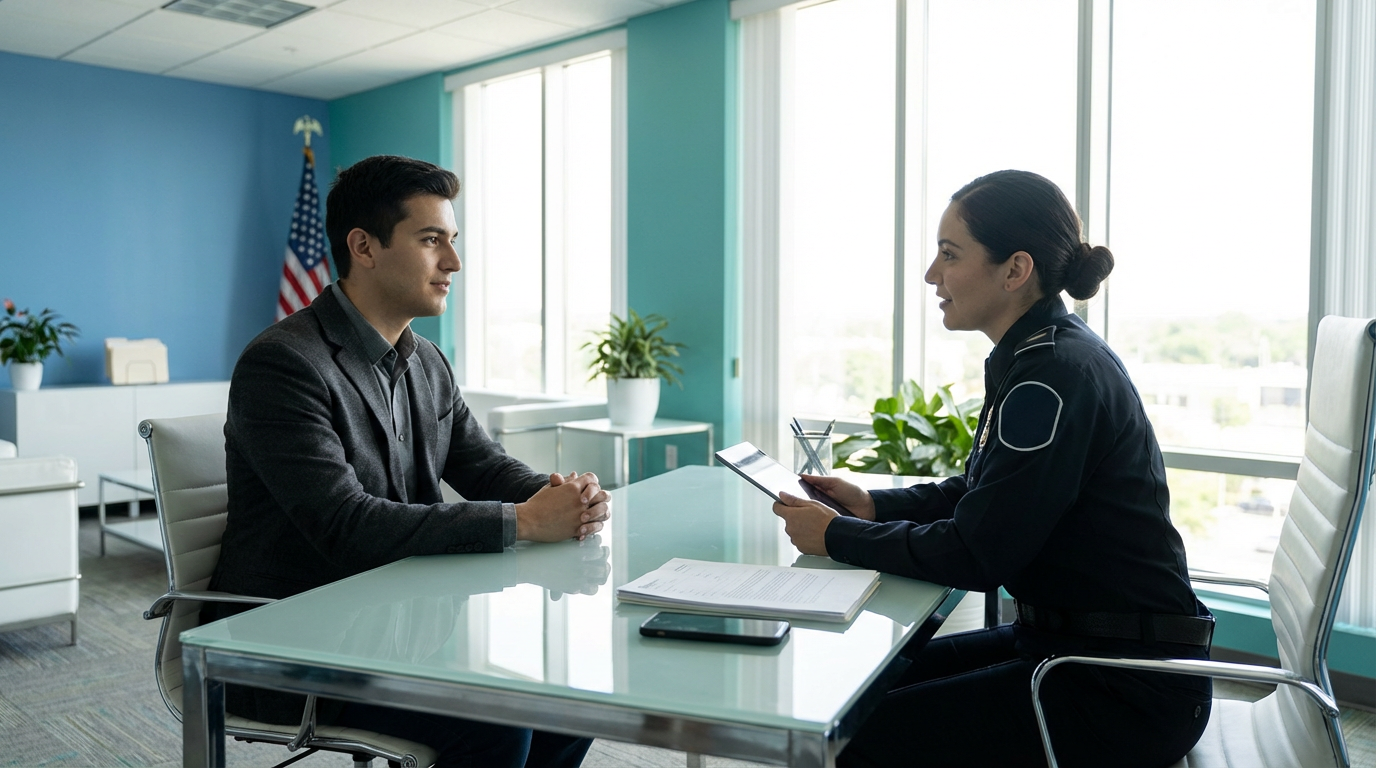
Consular officers, during visa interviews, may ask questions about your online activity to verify the information provided in your application. This is why it's essential for applicants to maintain a clean and accurate online presence, free from content that could be misinterpreted as a threat or violation of visa terms.
Identifying and Mitigating Red Flags: A Guide for F-1 Visa Holders
Understanding what constitutes a red flag in social media screening is vital for international students seeking an OPT extension. Red flags can stem from various types of content that suggest potential risks or inconsistencies in your visa application.
Common red flags include references to unauthorized work, content suggesting immigration intent violations, or posts that align with fraud indicators. For instance, a TikTok video boasting about freelance work without proper authorization could jeopardize your student visa status.
Examples of Content to Avoid
To avoid triggering red flags, be mindful of the content you share. Posts that could be interpreted as advocating violence, showing drug-related content, or suggesting involvement in terrorism-related activities should be avoided at all costs. Even seemingly innocuous posts can be taken out of context if they align with DHS keyword categories.
Additionally, avoid sharing content that contradicts the information provided in your visa application, such as locations that don't match your travel claims or employment details that don't align with your SEVIS records.
Platform-Specific Privacy Settings and Cleanup Strategies
Each social media platform has unique privacy settings that can help you manage who sees your content. For TikTok, consider setting your account to private and reviewing past videos for any potentially concerning themes. Regularly audit your follower list and engage only with reputable accounts.
On platforms like Facebook and Instagram, use privacy settings to limit who can see your posts and stories. Consider removing any old content that might be misinterpreted or doesn't align with your current visa status. Being proactive about your online presence can prevent unnecessary complications during the OPT application process.
Preparing for Your STEM OPT Extension: A Step-by-Step Checklist
Proper preparation is key to a successful STEM OPT extension application. Here is a step-by-step checklist to help you navigate the process while ensuring your social media presence supports your application:
Following this checklist can help ensure that your online presence aligns with your stated intentions and activities, reducing the risk of delays or complications in your STEM OPT extension process.
Common Mistakes to Avoid During Social Media Screening
Many international students inadvertently make mistakes that can complicate their OPT extension applications. One frequent error is failing to update privacy settings, leaving old or irrelevant content visible to immigration officers conducting social media reviews.
Another common mistake is engaging with content that could be misinterpreted. Sharing or liking posts related to controversial topics or engaging in debates that could be seen as threatening or unsafe might inadvertently raise red flags. Always consider how your online interactions might be perceived by a third-party reviewer before engaging.
Case Examples and Lessons Learned
Real-world examples illustrate the importance of managing your online presence. In one case, a student shared a meme that was interpreted as supporting unlawful behavior, which led to a delay in their visa processing. Another student faced scrutiny after posting a video that suggested unauthorized work, resulting in their application being denied.
These examples highlight the importance of understanding the potential implications of your online activity and making informed decisions about the content you share.
Conclusion: Navigating Social Media Compliance with Confidence
As you prepare for your STEM OPT extension, understanding the role of social media screening is essential. By proactively managing your online presence and aligning it with your documented intentions and activities, you can navigate the screening process with confidence.
While this guide provides a comprehensive overview of social media compliance for international students, it's important to consult with an immigration attorney for personalized advice. Additionally, consider using VisaClear's AI-powered screening tools to identify potential red flags before USCIS does, ensuring a smoother application experience.